
Flipboard has launched a feature called “social websites” aimed at facilitating the transition of publishers and creators into the decentralized social media landscape. This initiative, which supports the open social web including platforms like Bluesky, seeks to give creators control over their audiences.
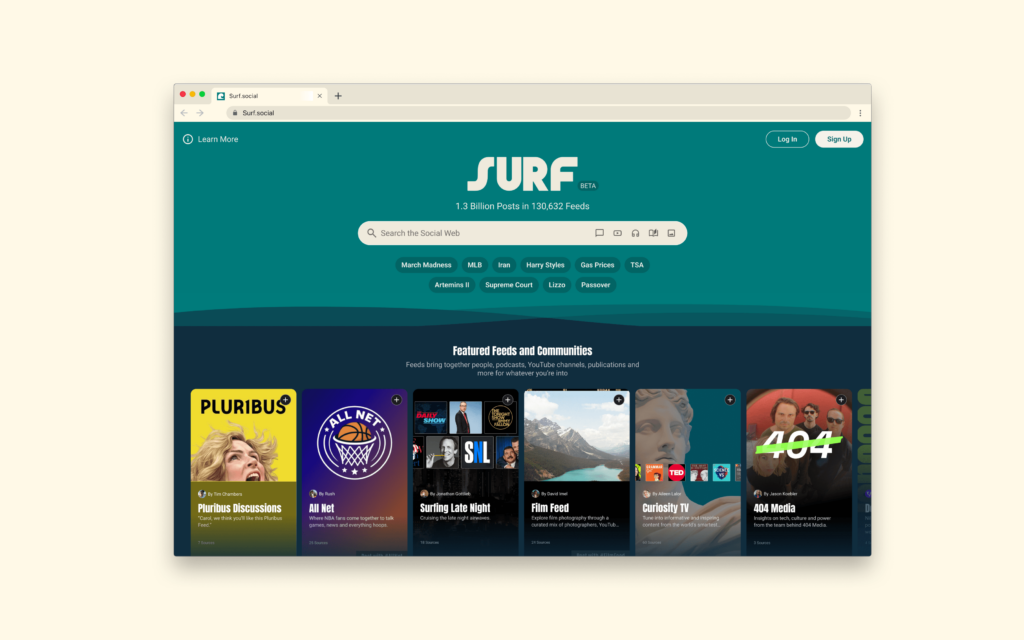
Social websites function as microsites that aggregate content from decentralized platforms and RSS feeds, providing a single venue for users to browse diverse formats such as blog posts, newsletters, and podcasts. The feature represents the first web-based extension of Flipboard’s Surf app, designed specifically for this ecosystem.
Several publishers and creators have already established social websites on the Surf platform. Notably, Rolling Stone has created a site focusing on political content, which includes posts from its writers and related news stories. Additionally, creator David Rushing has launched “All Net,” targeting NBA fans with content from Bluesky, Threads, and Mastodon, as well as clips from YouTube creators in the basketball community.


Flipboard CEO Mike McCue highlighted the complexity of the social web, stating that it can take creators a significant amount of time to establish their communities. He noted that with the new feature, creators can set up their sites in about 15 minutes. McCue remarked, “The social web is really promising and really awesome, but it is kind of complex and it’s hard to use.”
The Surf interface aims to simplify user engagement by stripping away jargon commonly associated with decentralized platforms. Users can access content from Mastodon, Pixelfed, and PeerTube without the need for complicated logins, thereby enhancing the user experience.
McCue underscored the desire among publishers to reclaim ownership of their communities, saying, “They are really done with investing in yet another audience on yet another billionaire’s platform where the discovery is totally black-boxed.” The need for alternatives is pressing, as many publishers seek to establish organic relationships with their audiences outside traditional social media frameworks.