
Runway has shifted its focus from being an AI model company to establishing itself as an infrastructure layer for generative media. On Thursday, Runway introduced the Media Router through its developer platform, Runway Dev, which was launched earlier this month. This platform provides API access to numerous third-party image, video, and audio models alongside Runway’s own offerings.
The Media Router automatically selects the optimal generation model based on developers’ priorities regarding quality, speed, or cost. Unlike routers common in large language models, Runway claims this is the first specifically designed for generative media. “The routing really fits into that overall promise of being the easiest one-stop shop for developers to integrate with any type of generative media model,” Anthony Maggio, Runway’s chief product officer, said.
This launch signifies another step in Runway’s evolution from an AI video startup to an essential service for companies utilizing generative media. Through Runway Dev, customers such as Adobe, Cloudflare, ElevenLabs, Expedia, Shutterstock, and Quora can integrate media generation directly into their products using Runway’s API instead of directing users to Runway’s application or website.


The introduction of the Media Router comes amid an increasing number of generative media models, complicating the evaluation of new options for developers. Runway Dev allows developers to access newly released media models, with Maggio noting that many developers are not fully aware of the capabilities or differences between various models based on their outputs across video, image, and audio.
Chinese generative media models have surged in popularity, but some businesses may preferentially turn to American models due to concerns over political issues and potential sanctions. Preferences set by developers primarily focus on token pricing and quality, especially as token costs have become a significant concern in 2026. The Media Router’s launch follows Runway’s transition from unlimited subscription plans to a token-based pricing model, which received criticism from certain users.
Determining which models provide the best quality for specific tasks remains challenging in generative media, according to Maggio. The router’s intelligence layer leverages insights from Runway’s in-house creative team, examining model performance in aspects such as video motion handling, image composition, and voice lip-syncing.
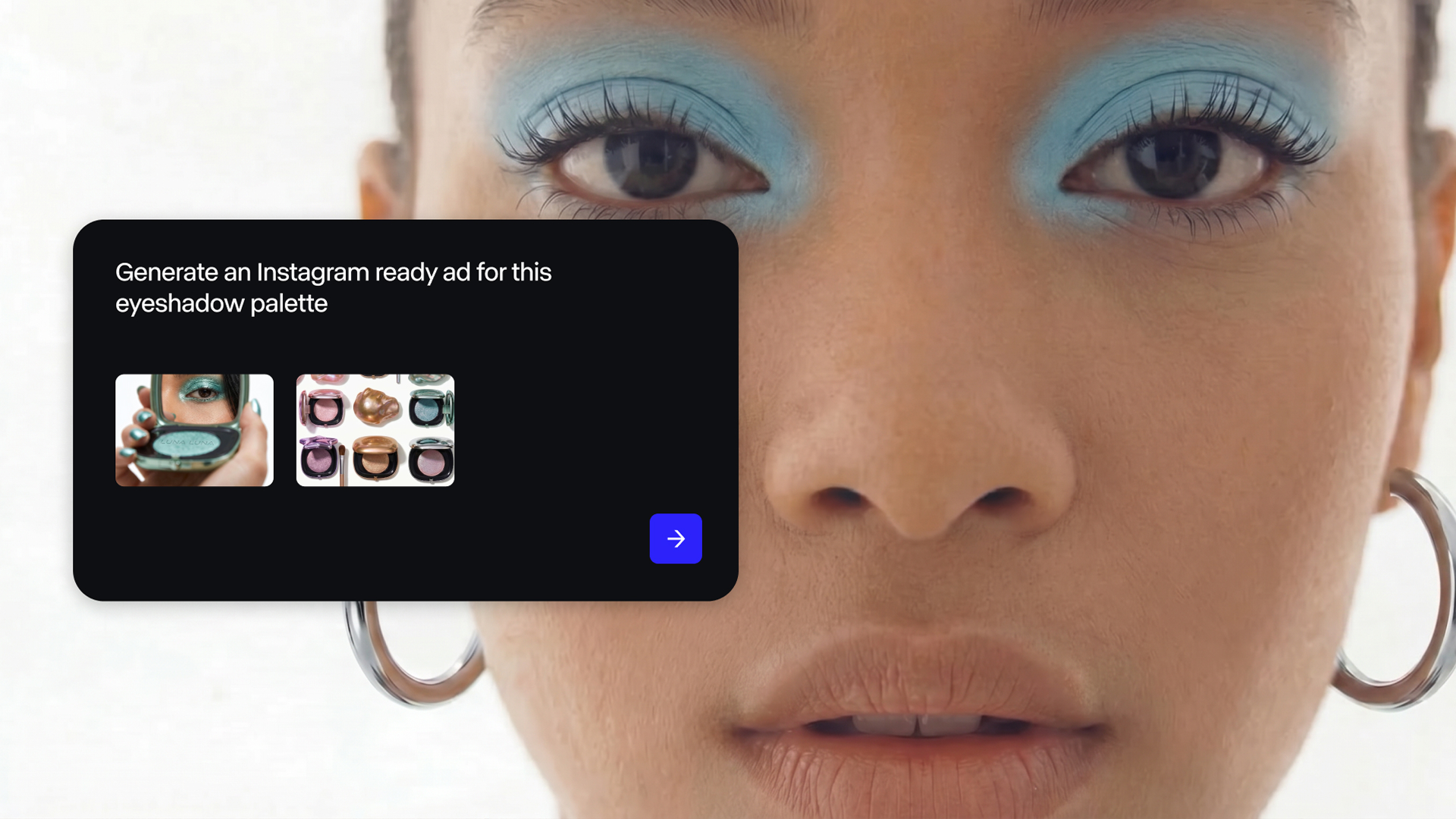
Runway previously established this intelligence layer for its conversational AI product, enhancing its capability to turn text prompts into fully edited multi-shot videos. The Media Router takes the routing technology developed for Runway’s internal products and adapts it for external developers.
Despite past successes, like the excellent performance of its last AI video model, Gen 4.5, which topped leaderboards against competitors, there’s been a significant gap in releasing new dedicated frontier video models since December. Runway’s text-to-video and image-to-video models no longer command leading positions, with competitors like Google, ByteDance, and Alibaba ranking higher.
The Media Router allows for dynamic selection of models as optimal choices shift over time, maintaining Runway’s relevance in the competitive landscape. Co-founder and co-CEO Anastasis Germanidis stated that the startup needed to build a full stack, encompassing a developer platform, creative tool suite, and inference layer. As interest from companies for Runway to support its entire technology stack grows, he emphasized the growing importance of orchestration in enabling businesses to create comprehensive campaigns and scene generations using its models.