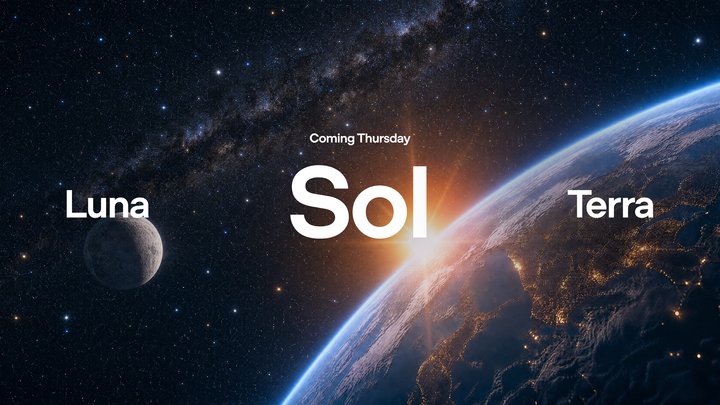

OpenAI received government permission to publicly launch its GPT-5.6 models on July 9, which include three variants: Sol, Luna, and Terra. The announcement was made on X, where the company stated, “We’re expanding preview access globally now.” Initially, the new model series was made available to a small group of trusted partners following a request from the Trump administration.
In early June, President Trump signed an AI cybersecurity order that mandated companies to present their powerful models for government review at least 30 days before public release. For GPT-5.6’s initial rollout, the models were limited to select government-approved entities. OpenAI stated, “We don’t believe this kind of government access process should become the long-term default,” but complied to expedite the release process.
The Trump administration authorized a wider release after subjecting the models to additional tests and consultations with OpenAI. The Department of Commerce’s Center for AI Standards and Innovation conducted these tests, and OpenAI dispatched technical experts to Washington, D.C. to address potential questions during the review.



GPT-5.6 features three variants tailored for different uses. Sol is the strongest model, while Terra is designed for everyday use at a cost-effective price point, promising performance comparable to GPT-5.5 at half the price. Luna serves as the lowest-cost model offered by OpenAI. Pricing for Sol is set at $5 per million input tokens and $30 per million output tokens; Terra costs $2.50 for input and $15 for output; and Luna is priced at $1 per million input tokens and $6 per million output.
Separately, Anthropic had to block access to its Mythos and Fable models to comply with government regulations restricting foreign access. The company has now received permission to redeploy its Mythos 5 model and intends to eventually release Fable 5 to the public.