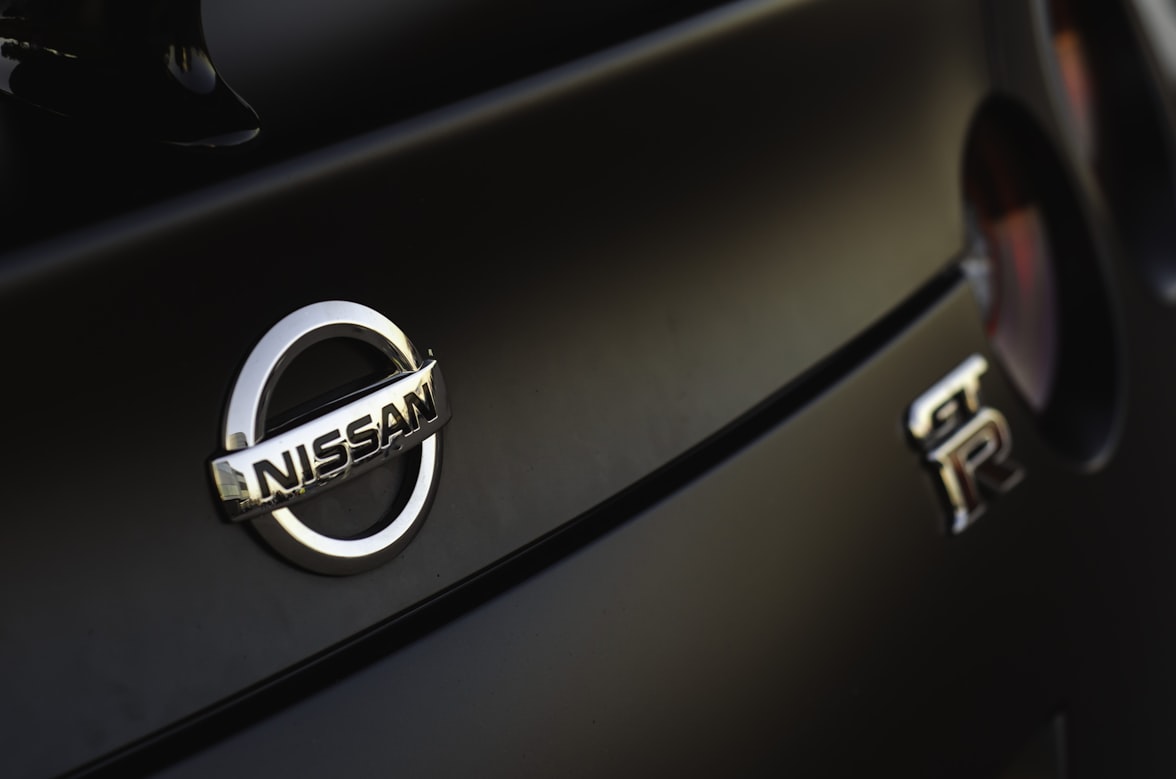

Nissan announced that its all-solid-state battery pack prototype has met required charge and discharge performance targets, keeping the automaker on track to launch its first solid-state battery-powered electric vehicle by fiscal year 2028.
The successful stacking of 23 battery cell layers in the prototype pack indicates a significant advancement from single-cell lab tests toward a form factor suitable for production vehicles. This development positions Nissan to enhance its efforts in the electric vehicle sector.
Nissan’s solid-state batteries promise energy density approximately double that of conventional lithium-ion cells. This technology could potentially double driving range and reduce charging times by up to two-thirds. The company aims for a competitive cost of $75 per kilowatt-hour for its solid-state packs, around 30% below the expected global average battery pack price in 2024.


The initiative builds on Nissan’s pilot production line at its Yokohama plant, which commenced operations in January 2025. In August 2025, Nissan partnered with LiCAP Technologies to develop dry electrode production process technology for the cathode electrode of its solid-state batteries. LiCAP’s Activated Dry Electrode technology is anticipated to lower manufacturing costs and minimize environmental impact.
Reports indicate that LiCAP’s technology was crucial in enabling Nissan to achieve its performance targets for prototype cells. The collaboration represents a step toward making Nissan’s next-generation batteries commercially viable at a larger scale.
Nissan is competing with other automakers to commercialize solid-state battery technology, which is often described as transformative for the electric vehicle industry. Toyota aims for solid-state battery EVs by 2027, while China’s GAC Group plans mass production between 2027 and 2030. Samsung has also showcased solid-state prototypes that claim a 600-mile range capability.
As part of its Ambition 2030 strategy, Nissan’s roadmap includes the opening of a prototype facility in 2022, the launch of its pilot line in early 2025, and plans for commercial EV production in fiscal year 2028, defined as April 2028 to March 2029. Christoph Ambland, Nissan’s director of product planning in Europe, stated, “Yes, we will be ready for SSB in 2028. But we can’t rush the process. We have to be sure that this technology is reliable, and ready to meet our customers’ expectations.”