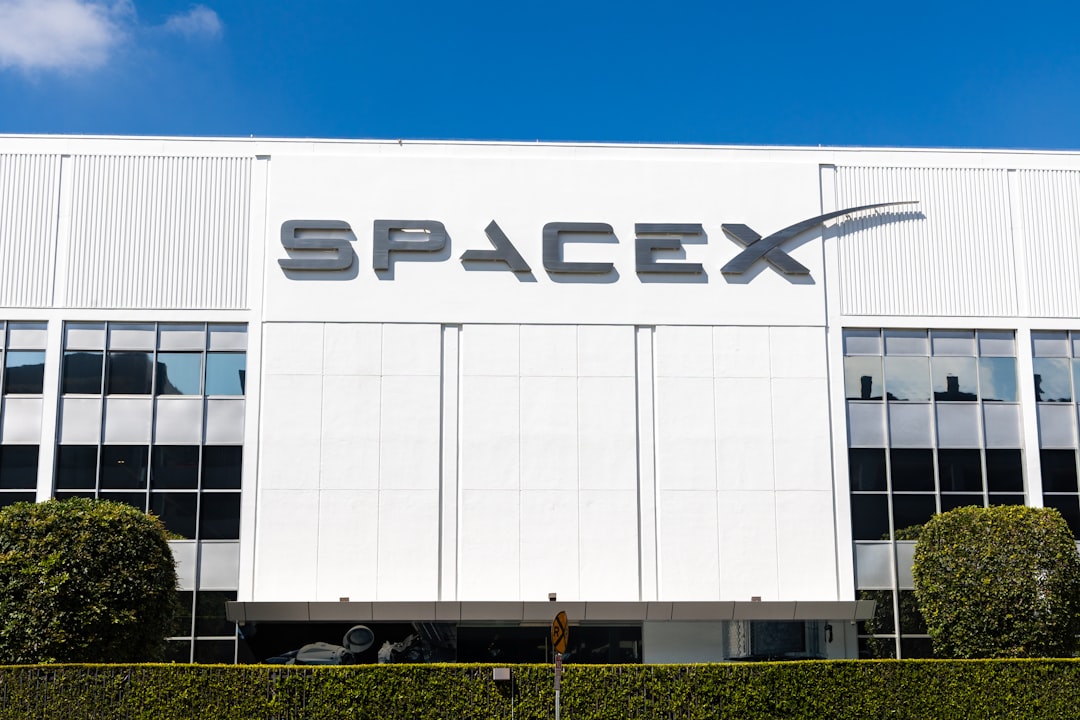

SpaceX has signed a computing power agreement with Reflection AI, granting the open-source artificial intelligence startup access to Nvidia GB300s, advanced AI chips. Under the agreement, Reflection will pay SpaceX $150 million per month starting July 1, 2026, running through 2029. The total payments could amount to approximately $6.3 billion if the contract continues to the end of its term.
Either SpaceX or Reflection can terminate the contract with 90 days’ notice after an initial three-month period. The agreement highlights SpaceX’s strategy to utilize its data center, Colossus, which was partially built to support Musk’s AI chatbot, Grok, a competitor to ChatGPT. This arrangement allows SpaceX to offer computing capacity to external AI firms.
SpaceX has previously engaged in computing power deals with Anthropic, Google, and Cursor, the latter of which it is in the process of acquiring. Reflection adds diversity to SpaceX’s clientele as it focuses on open-source models amid rising concerns over closed AI systems. The timing of this deal is significant as open-source AI gains momentum following Anthropic’s restrictions on access to certain tools, raising dependency concerns on proprietary models.



Reflection aims to develop American open-source AI models to compete with systems from firms such as OpenAI, Anthropic, and Google. The startup, valued at $25 billion, advocates for greater customer control over AI models. “Recent events highlight how important open source is to the AI ecosystem, with more nations and enterprises recognizing the risks and costs associated with exclusively depending on closed models,” a Reflection spokesperson said.
The agreement enhances Reflection’s computing capacity to accelerate its initiatives in open-source AI. While it has not yet launched a public frontier model, it is gaining traction with government and national security clients, working on projects with the Department of Energy’s Genesis Mission and broader Pentagon AI efforts.
For SpaceX, the deal underscores the growing strategic importance of computing resources in the competitive AI landscape. Access to advanced Nvidia chips is critical for training frontier AI models. By opening Colossus to external customers, SpaceX positions itself with major cloud providers and AI infrastructure firms vying to offer limited graphics processing unit capacity.
This agreement signals SpaceX’s intent to expand its business model beyond rockets and Starlink, branching into AI and data services, while justifying its substantial investments in AI infrastructure.