
Salesforce unveiled its architectural transformation “Headless 360” at the TDX developer conference, exposing all platform capabilities as APIs to enable AI agents to operate without a browser. This initiative, also releasing over 100 new tools and skills for developers, addresses growing concerns over the need for traditional CRM interfaces in an era dominated by AI.
The announcement comes at a critical time for Salesforce, as the enterprise software sector experiences a sell-off leading to a 28% decline in the iShares Expanded Tech-Software Sector ETF. Jayesh Govindarjan, EVP of Salesforce, noted that the decision to prioritize an agent-friendly architecture was made two and a half years ago, driven by the need for programmability and accessibility.
Headless 360 rests on three pillars: “build any way you want,” “deploy on any surface,” and “build agents you can trust at scale.” The first pillar introduces over 60 new Model Context Protocol (MCP) tools and preconfigured coding skills, allowing external coding agents to access data and workflows directly from any terminal.


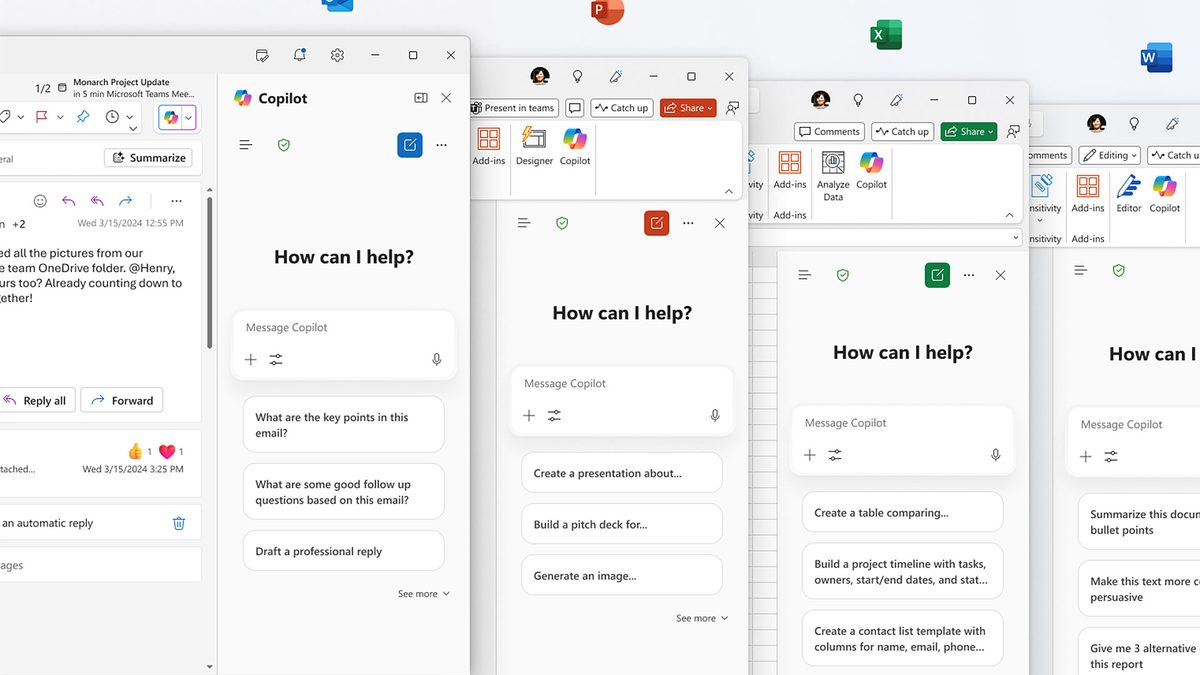
Agentforce Vibes 2.0, Salesforce’s native development environment, now supports both Anthropic and OpenAI agents through an “open agent harness.” Developers can create applications using native React support, offering enhanced control over application interfaces while maintaining platform security.
The second pillar enables deployment across various platforms such as Slack and Microsoft Teams, allowing for a seamless user experience across interfaces. This shift intends to push branded agent experiences directly into customer workspaces rather than requiring users to engage with Salesforce’s own UI.
The third pillar focuses on lifecycle management through new tools like Agent Script, allowing enterprises to define agent behavior deterministically. These innovations aim to address the brittleness problem experienced by enterprises when making updates to their AI systems, as described by Govindarjan.
Salesforce’s platform now integrates with various AI models and tools, fostering an open ecosystem while promoting a $50 million AgentExchange initiative for partner tools. The company is also shifting to consumption-based pricing for Agentforce, indicating a fundamental change in its business model.
Govindarjan emphasized that Salesforce’s transformation will rely on successful execution across customer deployments and the adaptability of its protocols amid emerging AI capabilities. The company’s strategy aims to retain its relevance by leveraging existing enterprise data and logic against the backdrop of rapidly advancing AI technologies.
Parker Harris, Salesforce’s co-founder, posed the question, “Why should you ever log into Salesforce again?” suggesting that with Headless 360, users may never need to, reinforcing the company’s positioning within the evolving landscape of enterprise software.