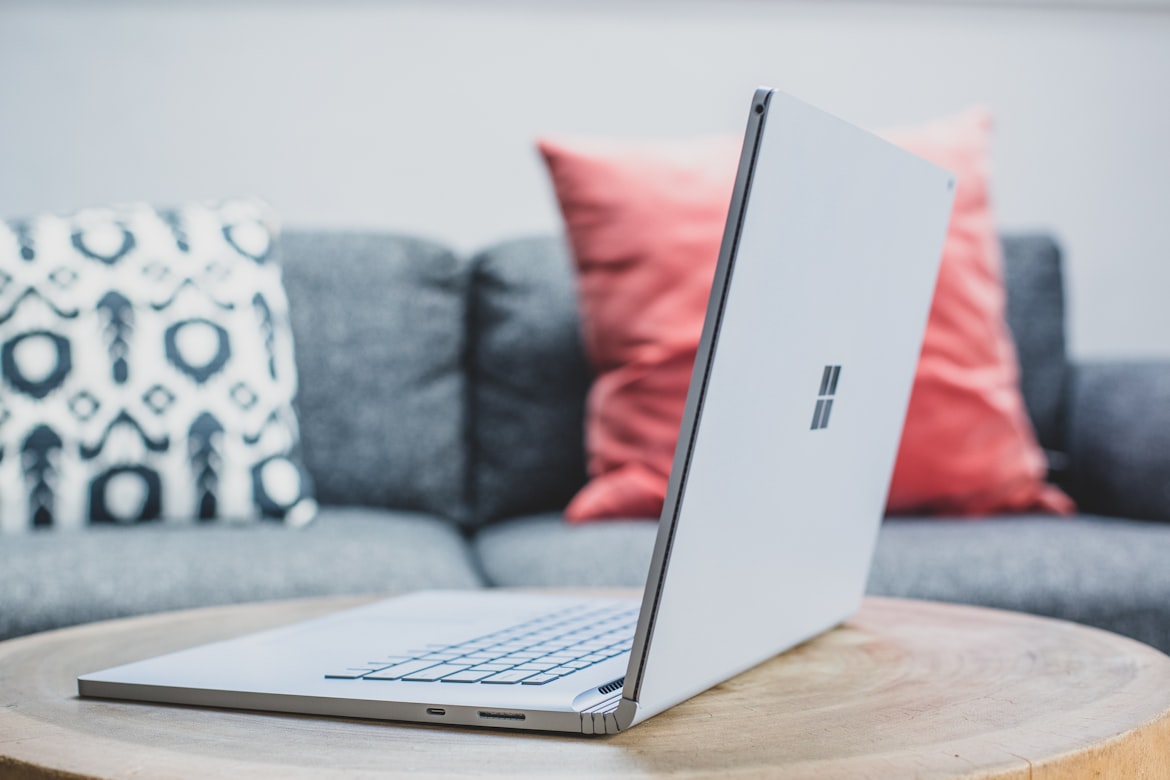

Microsoft has raised prices across its entire Surface lineup, with flagship models now costing up to $500 more than their launch prices due to a global memory shortage referred to as “RAMageddon.” The 13-inch Surface Pro now starts at $1,499.99, an increase from its original price of $999, while the 12-inch budget-oriented Surface Pro has risen from $799 to $1,049.99. Windows Central editor Zac Bowden reported the price hikes, noting that flagship models are “$500 more expensive than at launch.”
The recent increases continue a trend of rising costs, following Microsoft’s removal of $999 base configurations for the Surface Pro 11 and Surface Laptop 7 in May, which pushed the starting prices to $1,199. As third-party retailers such as Amazon and Best Buy have yet to fully update their pricing, consumers may have a limited opportunity to purchase devices at older prices.
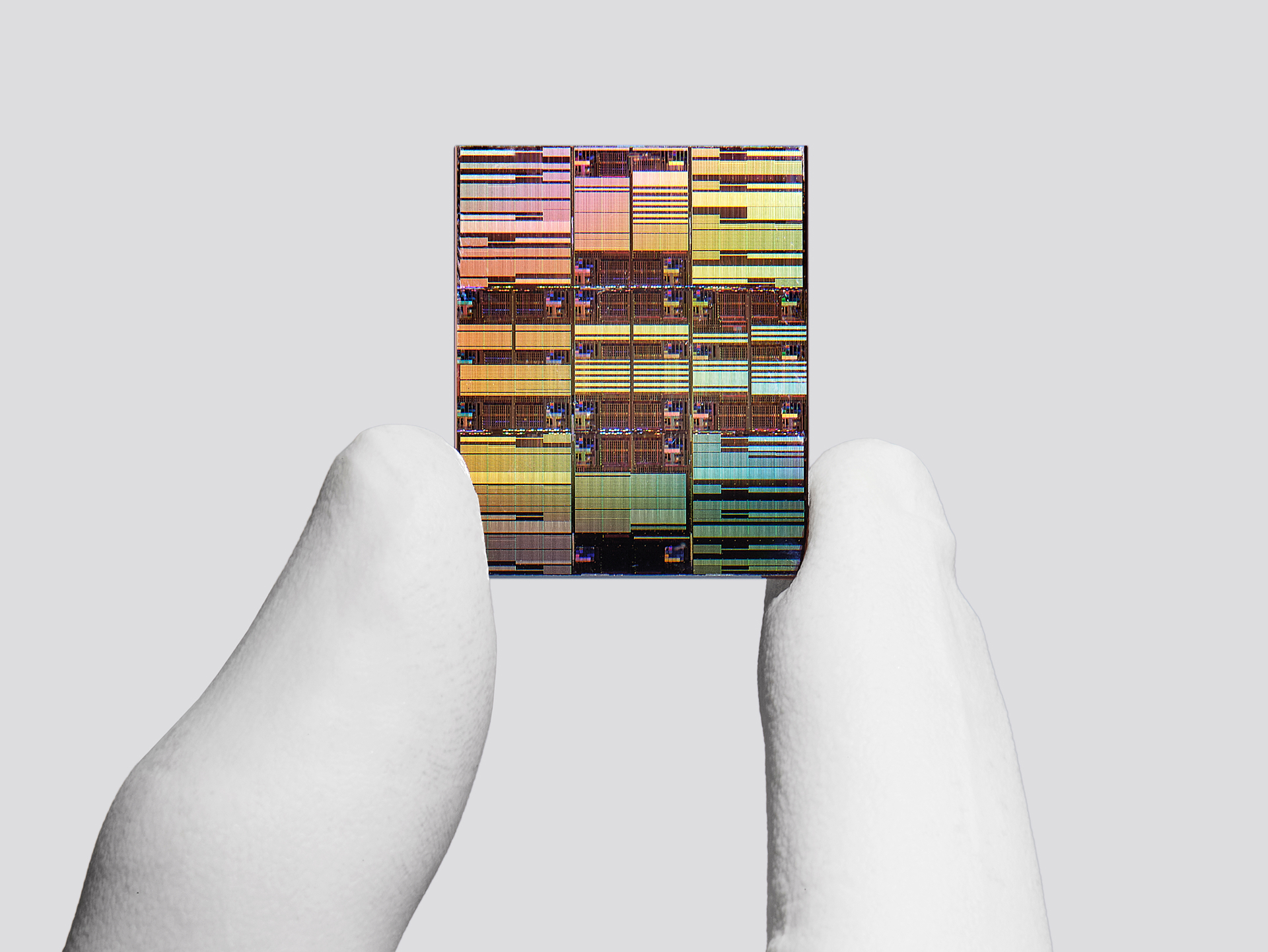
These price hikes stem from a significant global DRAM and NAND flash shortage that could persist until 2027, driven in part by high demand from AI data centers. Major chipmakers, including Samsung, SK Hynix, and Micron, are currently focusing on AI-grade production over consumer-grade memory. HP has noted that RAM now represents approximately 35% of a PC’s total build cost, up from 15–18% a few months ago. Moreover, TrendForce estimates that DRAM contract prices soared by 90–95% in the first quarter of 2026.



Other manufacturers such as Dell, Lenovo, and Acer anticipate price increases of 15–30% on their products. Framework has also indicated they will adjust components pricing due to depleted SSD inventories. IDC has highlighted that the resilience of PC vendors’ supply chains will be seriously tested in 2026, while Gartner projects that overall PC shipments will decline by over 10% this year due to rising memory costs.
According to Intel CEO Lip-Bu Tan, the PC industry should expect “no relief in 2026” regarding memory prices, further complicating the purchasing landscape for consumers. Those eyeing new Surface devices are advised to act quickly at third-party retailers or prepare for additional price increases as manufacturers navigate the ongoing memory market challenges.