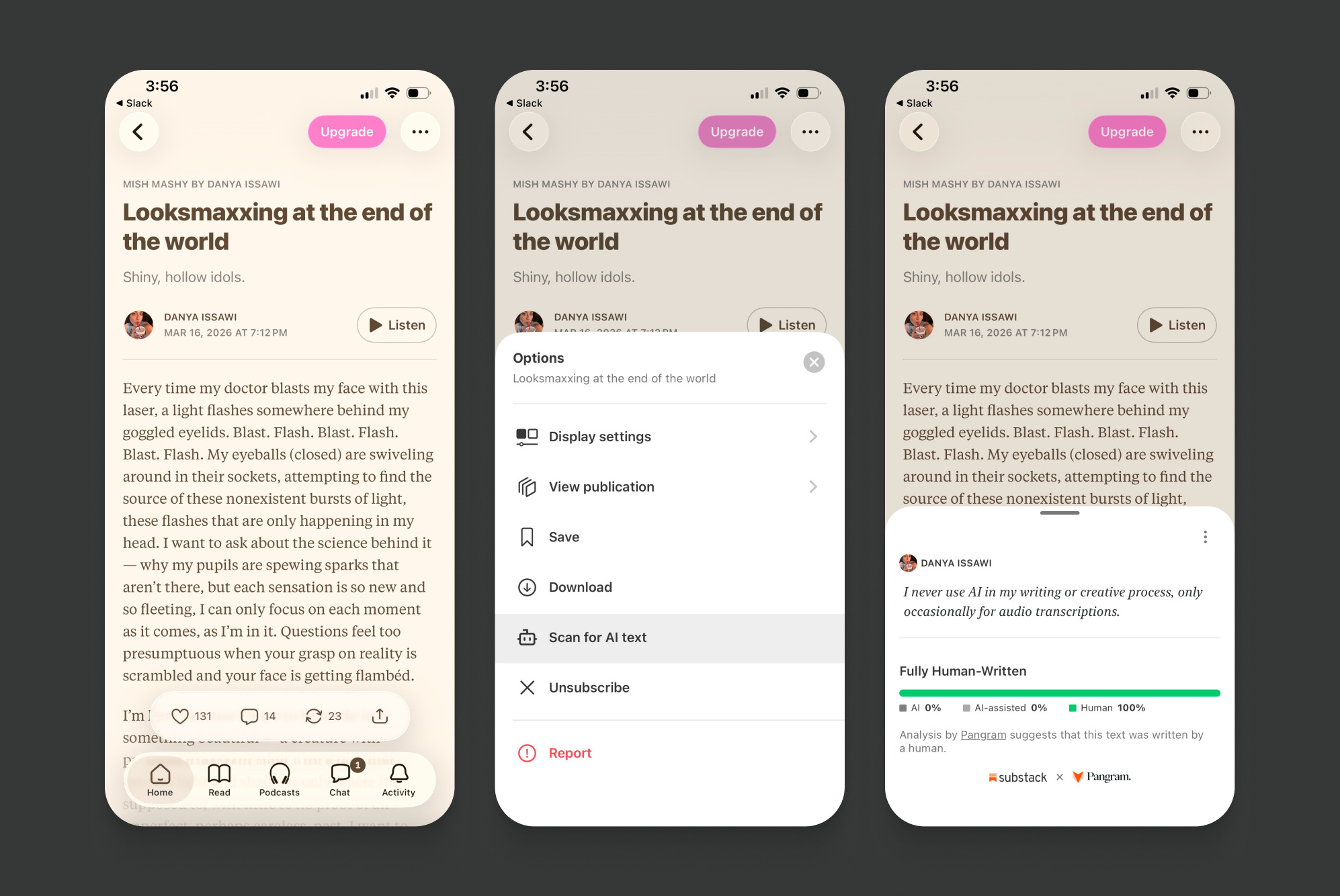

A federal district court in Northern California issued a ruling against OpenAI, prohibiting the company from using the name “Cameo” in its products and features.
The court’s decision was in favor of Cameo, a platform providing personalized celebrity video messages. OpenAI had been using the name “Cameo” for a feature within its AI-powered video generation application, Sora 2.
This feature allowed users to embed digital likenesses of themselves into AI-generated videos. The court determined that the name was sufficiently similar to cause user confusion. It rejected OpenAI’s claim that “Cameo” was merely descriptive, finding it suggested rather than described the feature.


In November, a temporary restraining order had been granted to Cameo, which prevented OpenAI from using the word. Following that order, OpenAI renamed the feature to “Characters.”
Steven Galanis, CEO of Cameo, stated that the company has been developing its brand for nearly a decade, focusing on talent-friendly interactions and genuine connections. He also stated that this ruling is a victory for the company, the integrity of its marketplace, and its creators. He added that the company will continue to defend its intellectual property.
An OpenAI spokesperson stated disagreement with the complaint’s assertion that exclusive ownership over the word “cameo” is possible. OpenAI anticipates continuing to present its case.
OpenAI has been involved in multiple intellectual property cases. Recently, the company removed “IO” branding from upcoming hardware products, according to court documents obtained by WIRED. In November, digital library app OverDrive sued OpenAI regarding its use of “Sora” for its video generation application. OpenAI is also engaged in legal disputes concerning copyright violations with artists, creatives, and media groups in various regions.