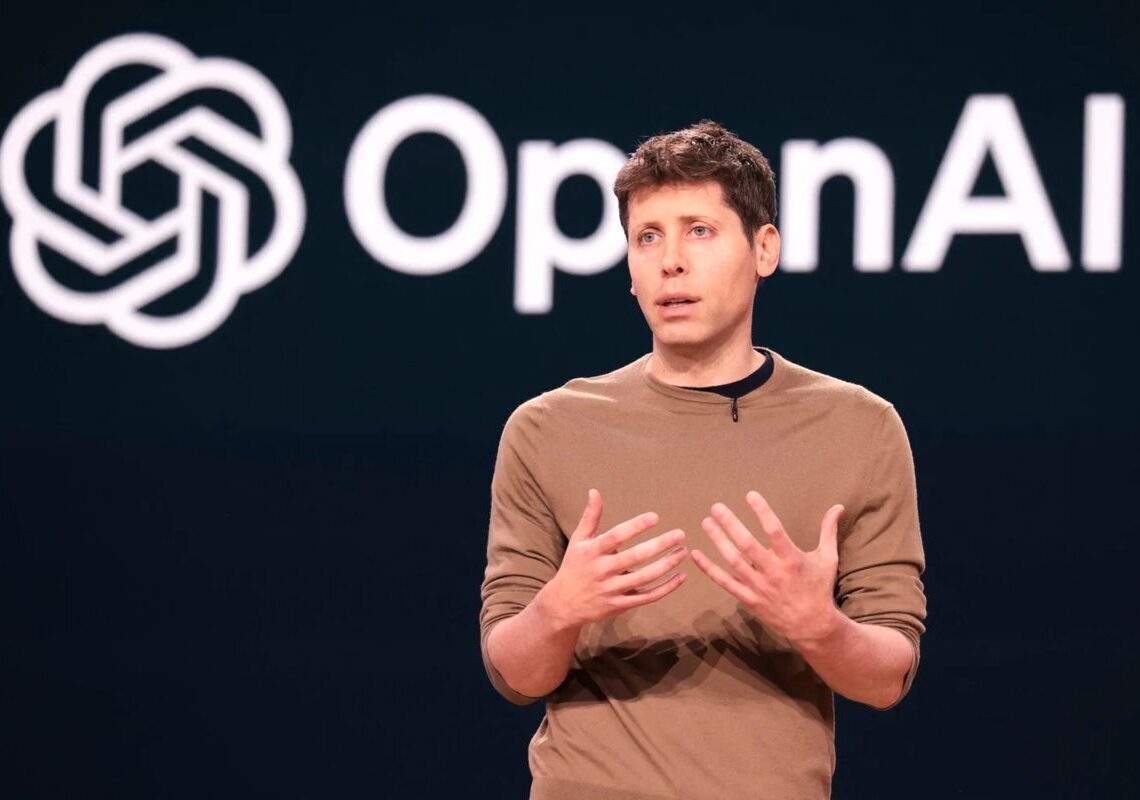

OpenAI CEO Sam Altman has observed that social media users are increasingly adopting the writing styles of large language models (LLMs). In a recent post on X, Altman described a “strangest experience” while reviewing forum posts about Codex, OpenAI’s agent tool for developers. He noted that while many posts seemed potentially fake or bot-generated, the underlying trend of strong Codex growth was genuine.
Altman suggested several potential explanations for the proliferation of LLM-like content. One possibility is that “real people have picked up quirks of LLM-speak,” mimicking the language patterns of AI models. He also pointed to the tendency of the “Extremely Online crowd” to converge on similar communication styles. The hype cycle surrounding AI tools, characterized by extreme reactions, and “optimization pressure from social platforms on juicing engagement” were also cited as contributing factors.
Altman expressed concern that the overall effect makes “AI twitter/AI reddit feel very fake” compared to the online environment of just one or two years ago. This sentiment echoes a previous post where he noted a significant number of “LLM-run twitter accounts,” leading him to reconsider the “dead internet theory.”



Paul Graham, co-founder of Y Combinator, responded to Altman’s observations, confirming that he has also noticed the same trend on X. Graham pointed out that AI-generated content is not limited to “fake accounts run by groups and countries that want to influence public opinion” but is also being produced by “a lot of individual would-be influencers.”
The concerns about the rise of low-quality, AI-generated content, often referred to as “AI slop,” extend beyond Altman and Graham. Substack CEO Chris Best addressed the issue on “The a16z Podcast,” warning that “sophisticated AI goon bots” will flood the media with engagement bait. Best predicted a future where an abundance of “AI slop” will keep users mindlessly clicking, potentially degrading the quality of online discourse and information.