
China has announced a $295 billion strategy aimed at substantial advancements in artificial intelligence over the next five years, with a focus on domestic components. The Beijing Administration plans to use 80% of its AI infrastructure from local suppliers, primarily Huawei chips, as part of its push for superior AI capabilities.
The funding, which totals $295 billion, aims to foster significant AI breakthroughs and expand China’s global influence in the technology sector. The initiative comes amid US restrictions that have hampered China’s semiconductor industry and its competitiveness in advanced AI technologies.
Chinese tech giants, including Huawei, Alibaba, and Baidu, are expected to contribute significantly to the development of the nation’s AI capabilities. The new strategy includes the deployment of data centers across China, which will be primarily built using local suppliers. Huawei is poised to play a central role in this infrastructure expansion.



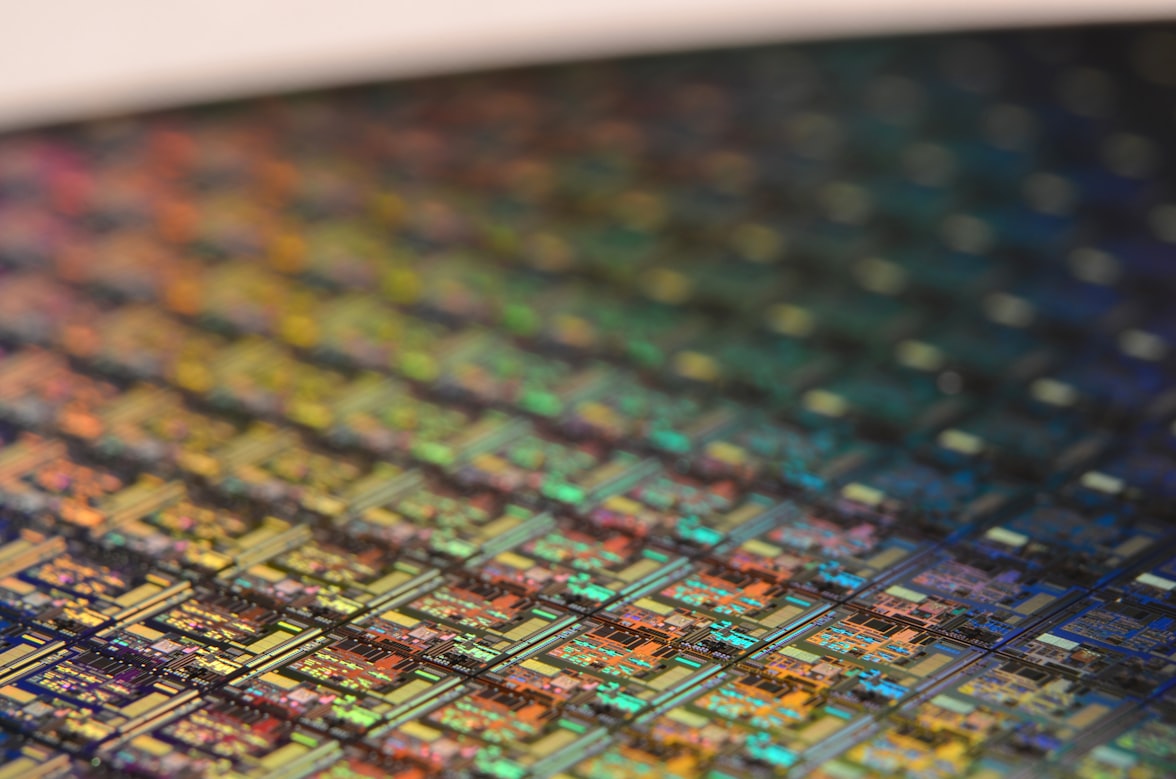
Huawei’s Ascend chipset is being recognized as a viable alternative to Nvidia semiconductors, with the company announcing plans to release a new AI chip each year, aiming for double the computing power of the previous year. This development underscores Huawei’s commitment to advancing AI technology in alignment with China’s broader strategy.
China is shifting its approach to reduce reliance on Nvidia and foreign technology, focusing instead on self-sufficiency in AI development. The nation intends to support developing countries by sharing technological innovations as part of this new direction.
The launch of this AI strategy signals a concerted effort from the Beijing Administration to elevate China’s position in the global technology landscape, potentially challenging established leaders in the industry.