OpenAI is nearing the launch of a new image generation model, widely believed to be GPT Image 2, designed to produce more realistic visuals and cleaner text. This report, based on information from The Information, underscores a competitive push against Google and Adobe in the AI image generation sector.
The new model follows recent community tests and video leaks. On April 4, three models emerged on LM Arena with codenames maskingtape-alpha, gaffertape-alpha, and packingtape-alpha. They were quickly taken down, yet screenshots circulated widely on Reddit. Testers reported near-perfect text rendering, native 4K resolution support, and photorealism that reportedly outperformed Google’s Nano Banana Pro in blind tests.
This new model reportedly utilizes a completely new architecture, diverging from the GPT-4o image pipeline that powered previous iterations, GPT Image 1 and GPT Image 1.5. The design also shifts from two-stage inference to single-pass generation, enhancing both quality and processing speed. By April 14, the models reappeared on LM Arena, and some ChatGPT users noted improvements in image generation through A/B testing.
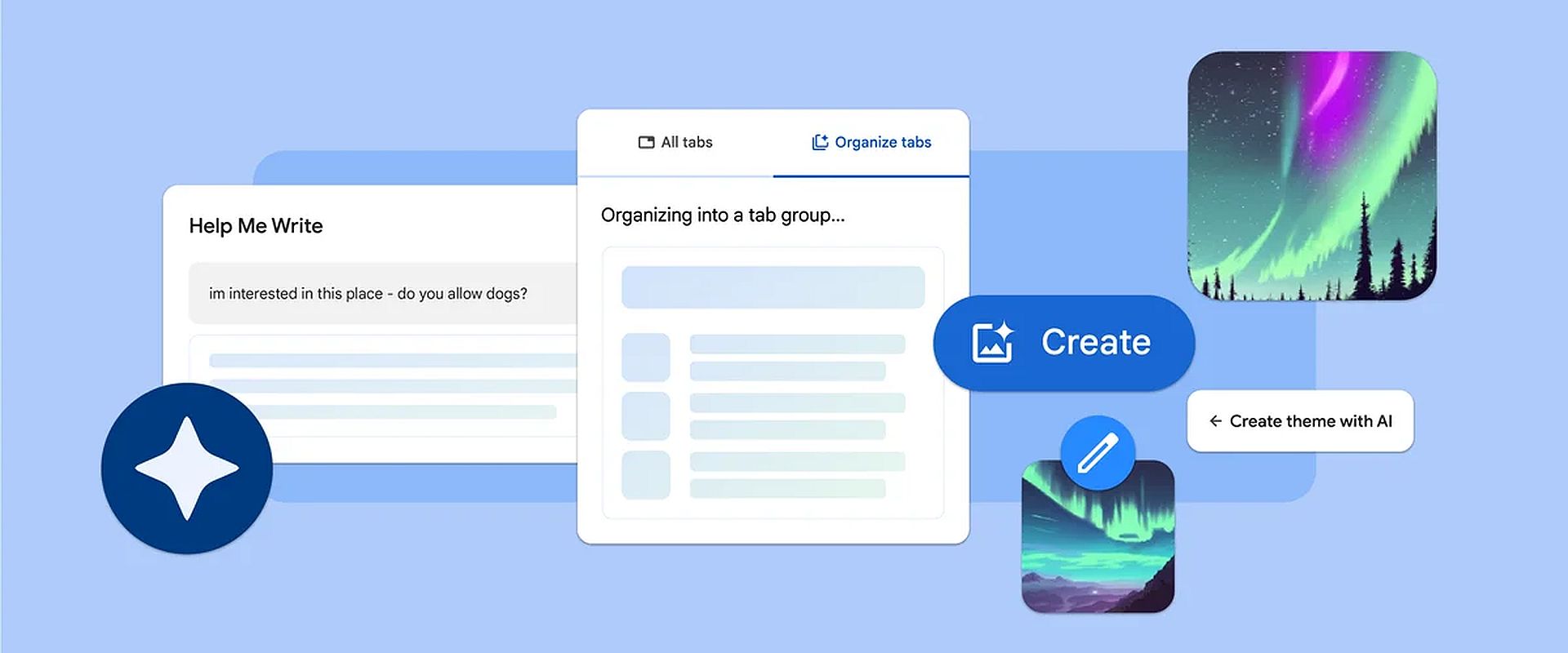
The urgency surrounding the launch is heightened by OpenAI’s announcement to discontinue DALL-E 2 and DALL-E 3 on May 12. These developments occur amid intensified competition as Adobe integrates OpenAI and Google image models into its Firefly app and Google sets benchmarks with its Nano Banana Pro model.
OpenAI initially released GPT Image 1 in March 2025, followed by GPT Image 1.5 in December with enhanced rendering and editing capabilities. GPT Image 1 achieved a milestone of generating over 700 million images within its first week.
While OpenAI has not confirmed the release timeline for GPT Image 2, analysts project an arrival between late April and mid-May 2026, likely alongside a GPT-5.4 update. “The competition is shifting from simple image generation to high-utility, multimodal intelligence,” one analyst stated, highlighting the evolving race between OpenAI and Google in the AI landscape.