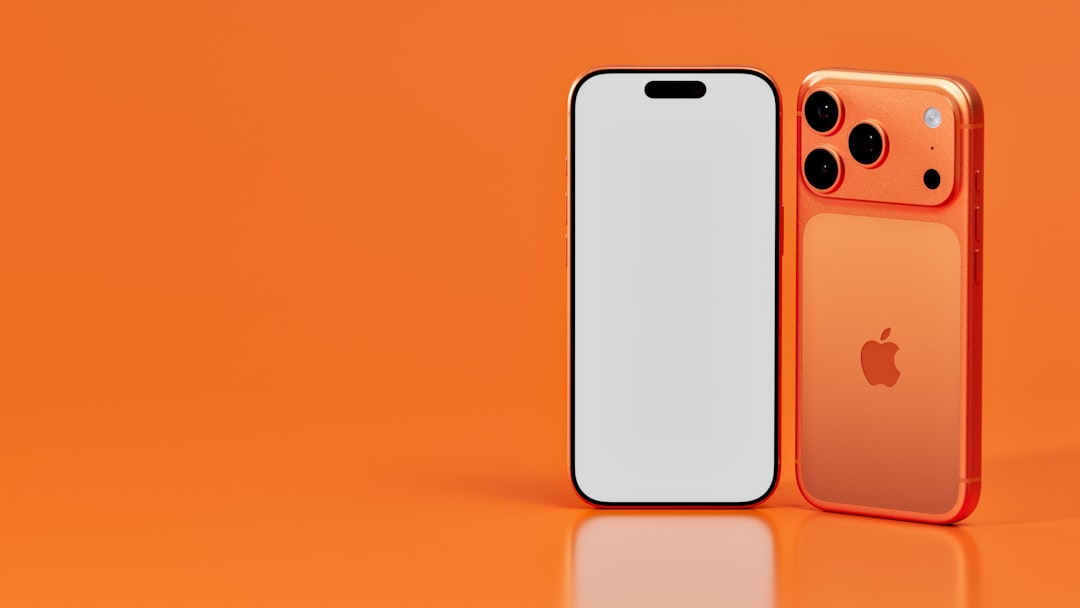

Apple’s 20th anniversary iPhone is expected to launch in the fall of 2027 with its biggest design overhaul since the iPhone X, according to MacRumors, citing earlier reports and leakers.
The model is likely to debut alongside Apple’s second-generation foldable iPhone and could reset the iPhone’s design language much as the iPhone X did in 2017.
Bloomberg’s Mark Gurman described the anniversary device as a mostly glass, curved iPhone with no visible display cutouts. The design would restore a glass rear surface and use curved glass that wraps around all four edges.



Facilities in Apple’s supply chain have reportedly completed renovations ahead of production. The device’s build quality has been compared with that of the first-generation iPhone Air.
Apple is seeking a shallow quad-curved display with equal-depth “micro-curves,” rather than the deeper waterfall edges used on some Samsung phones. The approach is intended to improve edge swipes, reduce display distortion and make the phone more comfortable to hold.
Leaker Ice Universe said the effect may rely on optical refraction, light-guiding structures and visual techniques that make the frame recede from view. Apple could market the panel as a “Liquid Glass Display,” according to a separate report.
An unverified mock-up from an account with no proven track record showed a bezel of about 1.1 mm, compared with about 1.44 mm on the iPhone 17 Pro.
The front design remains uncertain because Apple wants to place both Face ID and the selfie camera under the display. One report described a “spliced micro-transparent glass” window that would allow Face ID infrared sensors to operate through the panel.
DSCC analyst Ross Young said the technology was unlikely to be fully ready by 2027. Apple is still testing an under-screen camera, but the device may retain a small hole-punch or a reduced Dynamic Island.
Apple is planning two anniversary models measuring about 6.3 inches and 6.9 inches. The larger version could be slightly bigger and marketed as a 7-inch device because of its thinner bezels.
The frame is expected to use a thin polished band, though the material remains unclear. Leaker Fixed Focus Digital disputed claims that Apple would return to titanium or adopt Liquid Metal, arguing that aluminum remains the most practical option because of heat generated by on-device AI processing.
Apple is also said to be reviving its shelved “Project Bongo” to replace the side, volume, Action and Camera Control buttons with solid-state haptic versions built into the frame.
The buttons have reportedly passed tests involving gloves, wet hands, extreme temperatures and phone cases. An ultra-low-energy microprocessor would keep them operational when the phone is powered off or the battery is depleted.