
Figma introduced an update that adds a new code layer, support for motion and shaders, and the capability to create custom plug-ins using AI. The design platform has worked on code integration for some time, having unveiled an AI prompt-based prototyping tool called Figma Make last year and subsequently launched integrations with Claude Code and Codex to facilitate collaboration between coding and design.
The new code layers allow teams to clone repositories and extract flows from code to design layers for testing. Figma’s chief product officer, Yuhki Yamashita, stated that these layers enable easier iteration among designers, product managers, and programmers. “We think the multiplayer canvas is really powerful because this is an environment where you don’t really care about the quality of the code,” Yamashita said during a call.
This update also includes support for animations, transitions, and 3D transforms. Previously, designers needed to create animations in external software before converting them to usable code. Now, users can directly integrate animations and transitions within Figma’s platform.



The new update allows AI to assist in creating design assets and adding shader effects. In addition, Figma is enhancing its AI assistant to improve collaborative features, enabling users to provide text prompts to develop repeatable skills for AI agents. Users can now connect tools like Notion, Granola, Excel, and GitHub to give context to the AI bot.
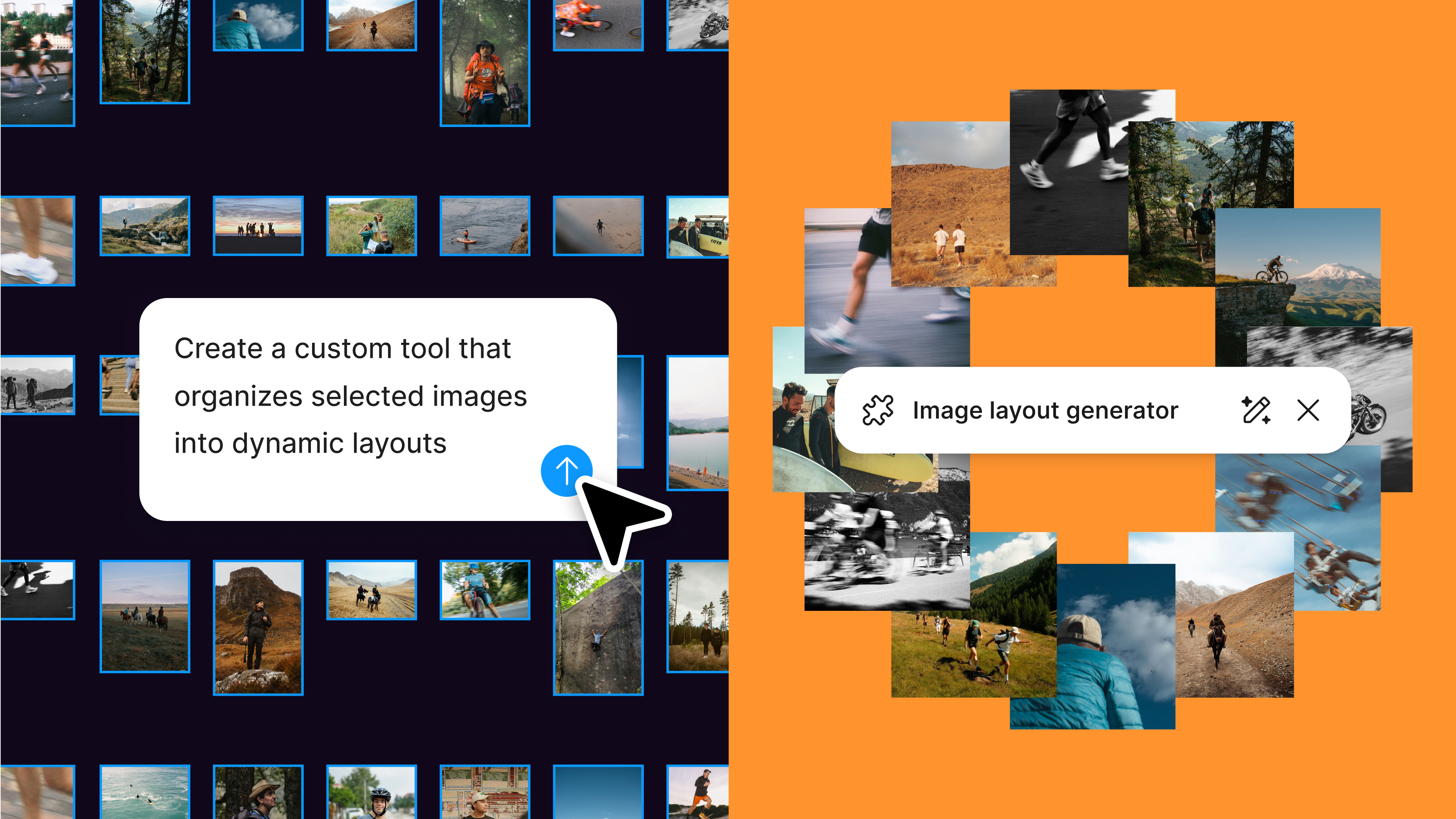
This update also lays the groundwork for a feature allowing users to create custom plug-ins, such as layout generators or vector path tracers, using prompts. A further update later this year will enable users to generate Weavy workflows directly within Figma, following the acquisition of the node-based tool Weavy last year, which aims to improve workflow comparisons.