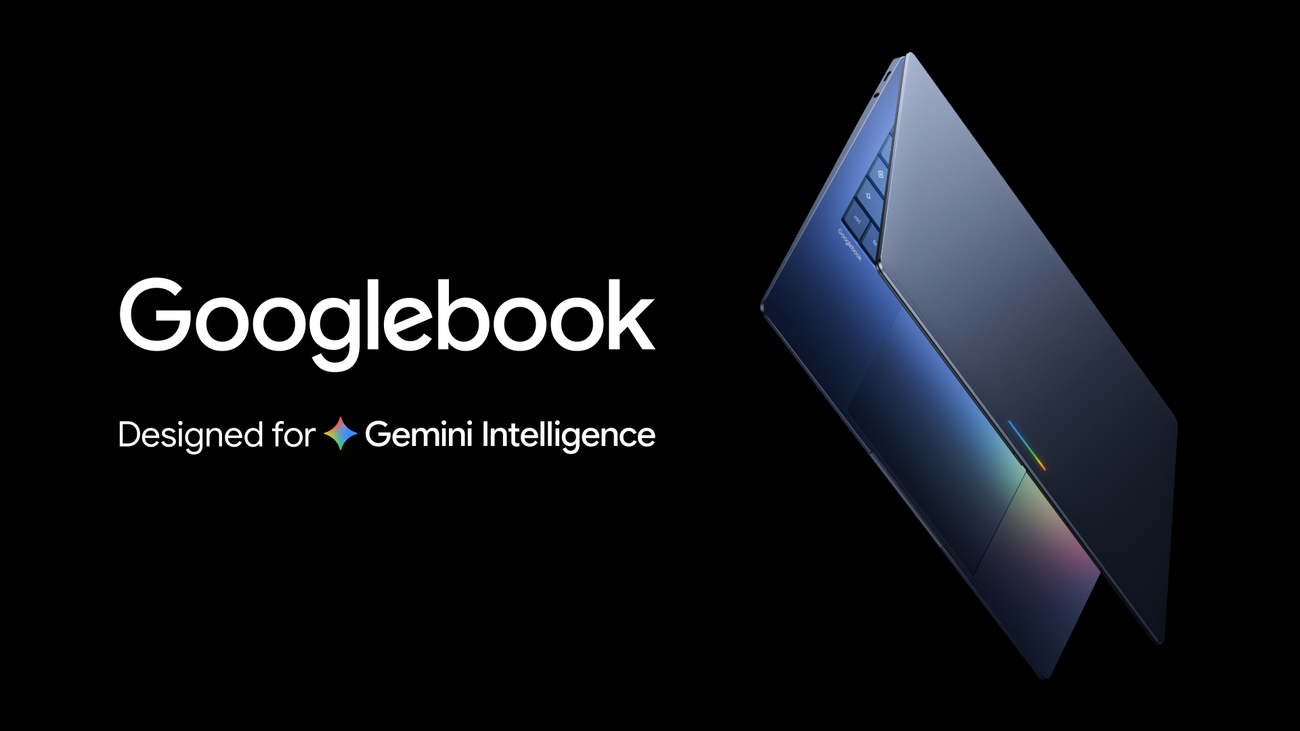

Google has announced a new line of laptops, named Googlebooks, which will be released in the fall. This announcement is part of Google’s Android Show, marking an important initiative in the laptop market aimed at succeeding Chromebooks with a more advanced platform.
Googlebooks will operate on a new system rumored to be a blend of Android and ChromeOS, referred to as Aluminium OS. However, Peter Du from Google’s global communications team clarified that Aluminium is merely a codename and not the final name, stating, “We’ll have more to share on the exact OS branding later this year.”
The new laptops will run on the Android technology stack. They will support Chrome for web browsing and provide the ability to run Android apps. This functionality will allow users to access files and applications directly from their Android phones, enhancing multitasking capabilities.


Googlebooks will incorporate Gemini Intelligence across their features, including a new Magic Pointer that gives contextual suggestions based on cursor position. For example, pointing at a date in an email could help users quickly set up a meeting.
Custom AI-created widgets, similar to those being introduced for Android phones and Wear OS smartwatches, will also be available on Googlebooks. These widgets might assist users in organizing travel information, reservations, and other tasks.
No specific hardware details, model names, or pricing have been disclosed for Googlebooks. Initial renders have been presented, but it remains unclear whether they showcase products made by partners or Google’s own designs. Google is collaborating with Acer, Asus, Dell, HP, and Lenovo for the initial models.
A distinct design element will include a bar of glowing Google-colored light, which will be a signature feature across all Googlebooks.
Following inquiries about the future of Chromebooks, Peter Du confirmed that new Chromebooks will continue to be released after the launch of Googlebooks. He added, “All Chromebooks will continue to receive support through their device’s existing date commitment,” which allows for ten years of automatic security updates for devices launched in 2021 or later.