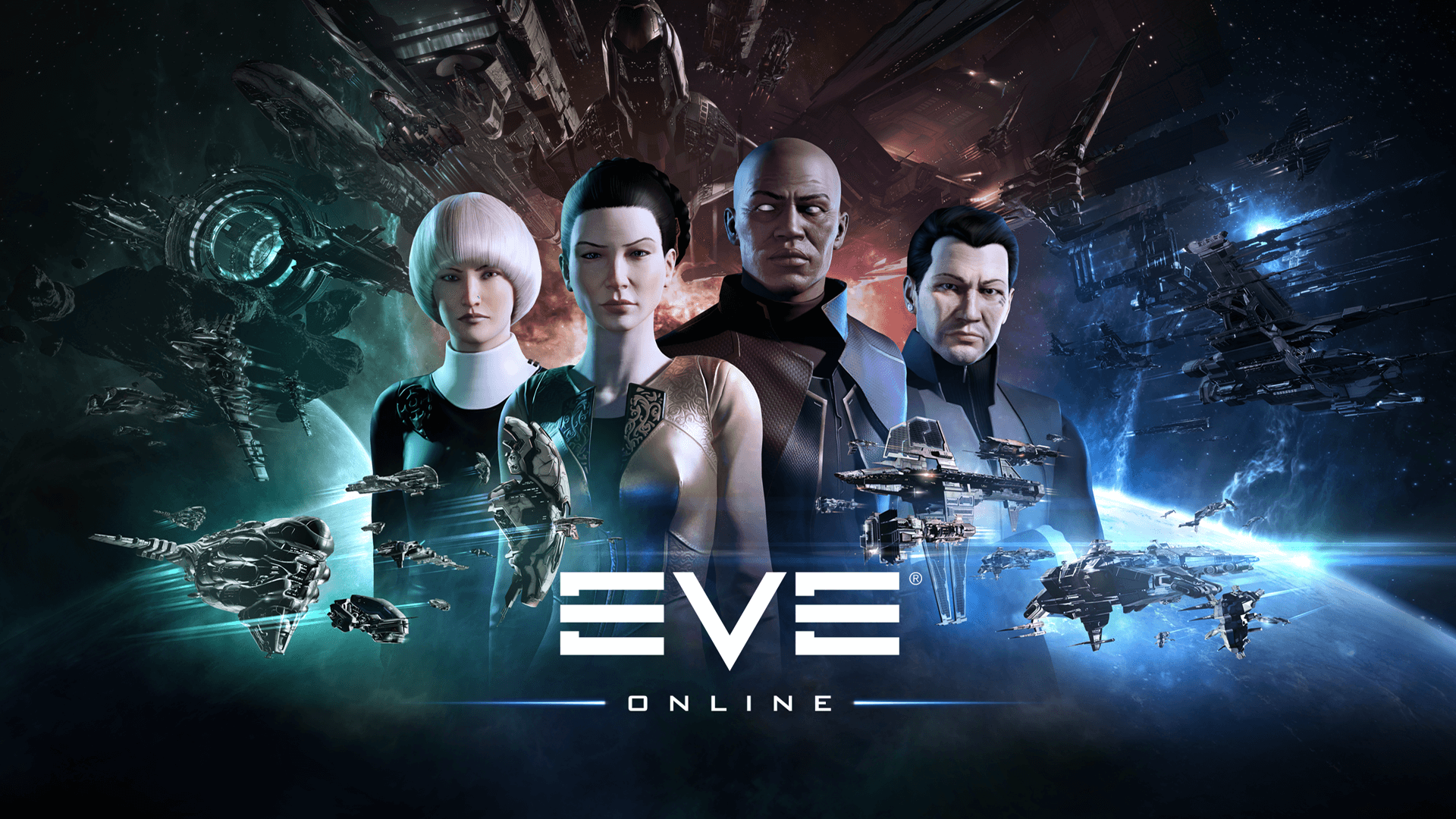

Google DeepMind has acquired a minority stake in Fernris Creations, the developer of the popular MMORPG EVE Online. This partnership coincides with Fernris Creations’ announcement that it has regained independence after purchasing itself back from Pearl Abyss for $120 million.
EVE Online, which launched in 2003, features an expansive open-world universe with over 7,000 star systems, allowing players to engage in a variety of activities including mining, trading, and combat. The acquisition follows a commitment from Fernris Creations to explore new avenues in AI research.
Fernris Creations CEO Hilmar Veigar Pétursson expressed enthusiasm for the collaboration, stating in a blog post, “As part of this next chapter, we are beginning a research partnership with Google DeepMind, focused on intelligence in complex, dynamic, player-driven systems.”


The partnership aims to enhance the understanding of intelligence in complex systems and will focus on areas such as long-horizon planning, memory, and continual learning. Google DeepMind will run and evaluate AI models on an offline version of EVE Online hosted on a local server, pending the development of AI-powered gameplay experiences.
Demis Hassabis, CEO of Google DeepMind, commented, “I’ve known Hilmar for many years and long admired his work, and I’m thrilled to partner with him and the fantastic team at Fernris Creations to explore new gaming experiences and advance AI research safely inside a player-driven universe.”
Hassabis emphasized that video games serve as ideal environments for AI training and testing, highlighting previous successes including AlphaGo’s victory over world champion Lee Sedol and AlphaStar’s achievement in StarCraft II. Similar advancements have also been made by OpenAI, which in 2019 developed an AI that defeated champions in the game Dota 2.
In a related event, a New York Times report revealed an interaction between Elon Musk and OpenAI President Greg Brockman, who informed Musk of OpenAI’s Dota 2 victory, leading Musk to suggest, “Time to make the next step for OpenAI. This is the triggering event.”