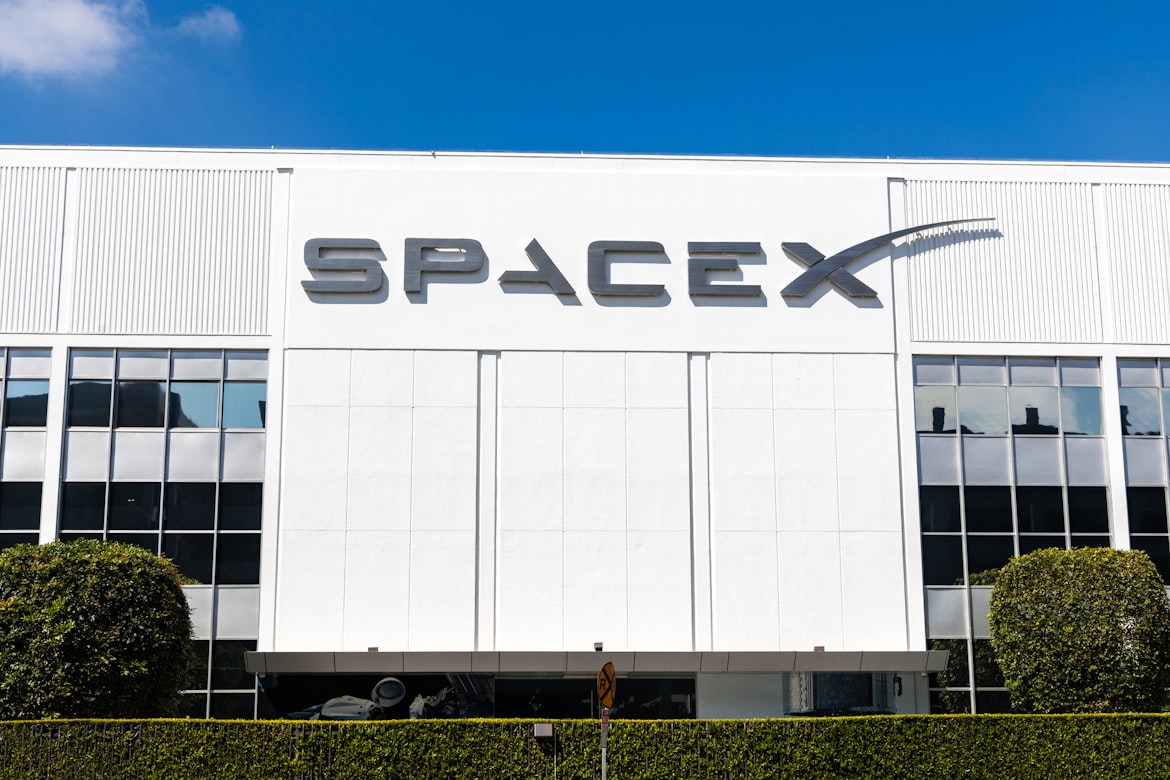

SpaceX has disclosed potential obstacles to its plans for developing AI data centers in orbit, stating these projects may never achieve commercial viability due to significant technical complexity and unproven technologies. This acknowledgment was made in its pre-IPO S-1 filing, aimed at informing investors of inherent risks while providing legal protection for the company.
The S-1 filing indicates that SpaceX’s initiatives for orbital AI compute and interplanetary industrialization are in early stages. The company notes that these projects are fraught with uncertainties associated with operating in the harsh environment of space, which could lead to malfunctions or failures.
Elon Musk has previously expressed optimistic views on space-based AI, referring to it as a “no-brainer” during the World Economic Forum in January 2026. He predicted that establishing AI data centers in space would become the cheapest option within two to three years. Following a merger between SpaceX and xAI in February, Musk reiterated that “space-based AI is obviously the only way to scale.”

However, the S-1 filing takes a more cautious approach. It emphasizes that the technologies required for effective operation in orbit remain unproven. AI tools that perform optimally on Earth must withstand extreme conditions in space without the possibility of on-site repairs, increasing their operational risks.
SpaceX plans to utilize its next-generation reusable rocket, Starship, for deploying the data centers. However, the development of Starship has experienced substantial delays and testing failures. The S-1 filing cautions that any setbacks in Starship’s development could severely hinder SpaceX’s strategy for growth.
If Starship fails to achieve the expected launch cadence and operational reusability, the feasibility of establishing orbital data centers may diminish significantly. The filing underscores fundamental challenges, noting that radiation may damage electronic components, and extreme temperature variations could exceed their design limitations.
Moreover, once a data center is launched into orbit, repairs become impossible. Thus, every component must function flawlessly throughout its lifespan. Currently, establishing and maintaining a terrestrial data center is more cost-effective and manageable than attempting the same in orbit.
The seriousness of SpaceX’s S-1 filing reflects growing concerns regarding the commercial viability of its orbital data center plans, pending future technological advancements and operational proof of concept. Until SpaceX demonstrates that its orbital systems can function reliably and economically, these warnings remain more than mere legal formalities.