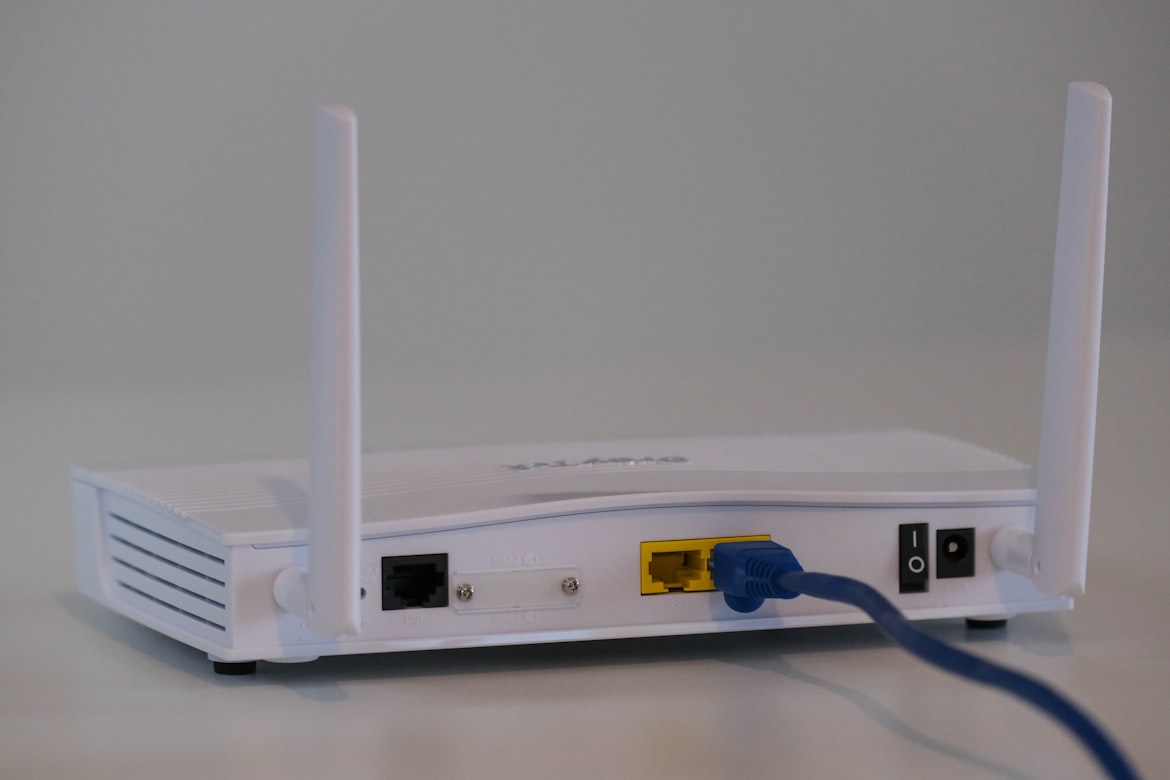

The FCC has officially banned the approval of all new foreign-made network routers due to identified security risks. This ruling deems consumer routers manufactured outside the United States as a significant threat to national security, placing such products on the Covered List, which signifies an unacceptable risk.
The ruling affects all new models, while previously purchased routers can still be utilized, and existing stock approved under prior FCC guidelines may continue to be sold. Routers listed on the Covered List will be allowed to receive software updates until at least March 1, 2027, with the possibility of an extension.
This decision aligns with the White House’s 2025 national security strategy, which emphasizes reducing dependence on foreign sources for essential components vital to national defense and the economy. Companies looking to introduce new foreign-made router products may seek conditional approval from the Department of War or the Department of Homeland Security, but such approval requires a commitment to shift some manufacturing operations to the United States.



Currently, very few consumer-grade router brands produce products domestically, indicating potential legal challenges and confusion for many companies with overseas manufacturing. Major brands like NetGear, Eero, and Google Nest, while based in the U.S., largely manufacture their products in Asia. The ban could significantly impact the availability of new router models in retail stores as the industry adapts to the revised regulations.
The FCC’s decision reflects a broader initiative to bolster national security and ensure that critical technology is not overly reliant on foreign supply chains. As the industry navigates these restrictions, the pipeline for new consumer network equipment may face significant delays.