
OpenAI has opened app submissions for review and publication within ChatGPT. The company introduced the concept of apps in ChatGPT earlier this year during its DevDay event. As of today, developers can submit their apps by following OpenAI’s app submission guidelines.
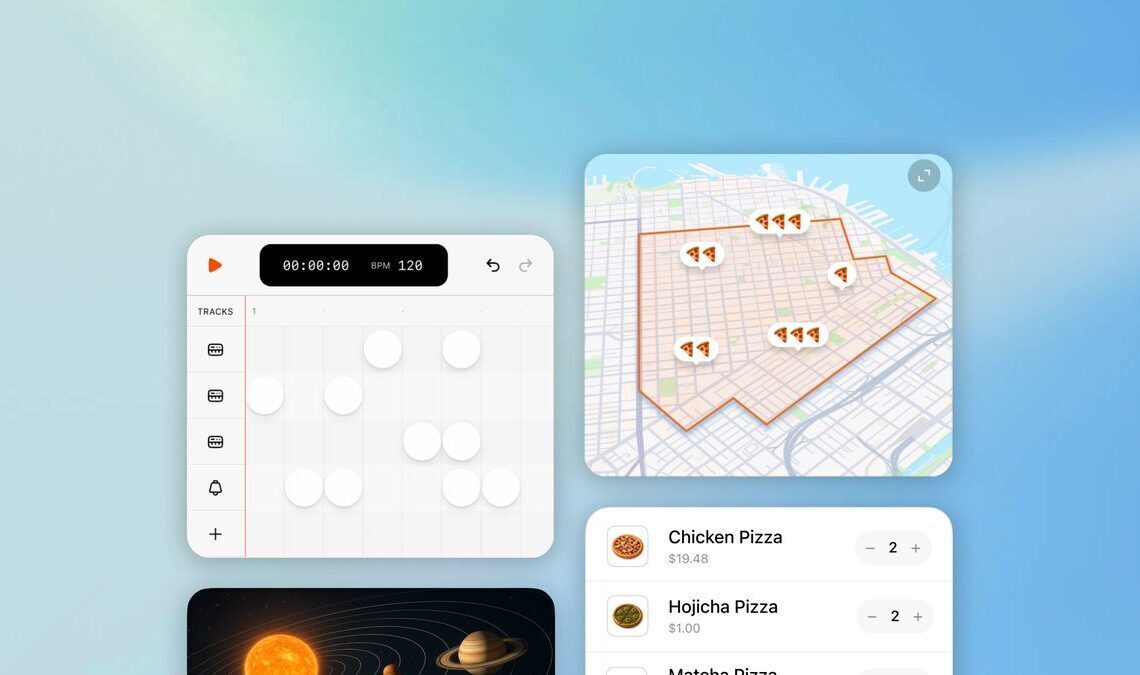
These apps extend ChatGPT conversations by providing additional context and enabling user actions, such as ordering groceries, converting outlines into slide decks, or searching for apartments. To assist developers, OpenAI has released several resources, including best-practice guides on creating effective ChatGPT apps, open-source example apps, an open-source UI library designed for chat-native interfaces, and a step-by-step quickstart guide. These materials draw from lessons learned since DevDay.
Users can now access an app directory directly inside ChatGPT, reachable from the tools menu or at chatgpt.com/apps. The directory allows browsing of featured apps or searching for any published app. Developers can use deep links from other platforms to direct users straight to their app’s page in the directory.



After users connect to an app, it can be triggered in conversations via an @ mention of its name or by selecting it from the tools menu. OpenAI is experimenting with methods to surface relevant apps during chats, using signals such as conversational context, app usage patterns, and user preferences. Users receive clear options to provide feedback on these suggestions.
Building, submitting, and monetizing apps
Developers build ChatGPT apps using the Apps SDK, which is currently in beta. This SDK supports chat-native experiences that integrate context and actions directly into ChatGPT. Successful apps focus on specific user intents, remain intuitive within chat interfaces, and deliver value by completing real-world workflows initiated in conversations or enabling AI-native experiences inside ChatGPT.
OpenAI recommends that developers review the app submission guidelines early. Further documentation and examples are available in the developer resource hub. Once prepared, developers submit apps for review through the OpenAI Developer Platform, where they can track approval status. Submissions require details on MCP connectivity, testing guidelines, directory metadata, and country availability settings.
The first batch of approved apps will roll out gradually in the new year. Apps meeting OpenAI’s quality and safety standards qualify for publication in the app directory. Those that gain user traction may appear more prominently in the directory or receive recommendations from ChatGPT.
In this initial phase, developers can include links from their ChatGPT apps to their own websites or native applications to handle transactions for physical goods. OpenAI is exploring further monetization options, such as for digital goods, and plans to provide updates based on developer and user feedback.
Safety and privacy measures
All developers must adhere to OpenAI’s app submission guidelines on safety, privacy, and transparency. Apps need to comply with OpenAI’s usage policies, suit all audiences, and respect third-party terms of service when accessing external content. Every submission must include a clear privacy policy, and developers can only request data essential for app functionality.
When users connect to a new app, OpenAI discloses the types of data that may be shared with the third-party developer and presents the app’s privacy policy for review. Users retain full control and can disconnect from an app at any time, immediately revoking its access.
OpenAI encourages developers to consult the app submission guidelines promptly and utilize the developer resource hub for comprehensive documentation and examples. Approved apps that align with quality and safety criteria become eligible for the app directory and potential featuring or recommendations by ChatGPT.