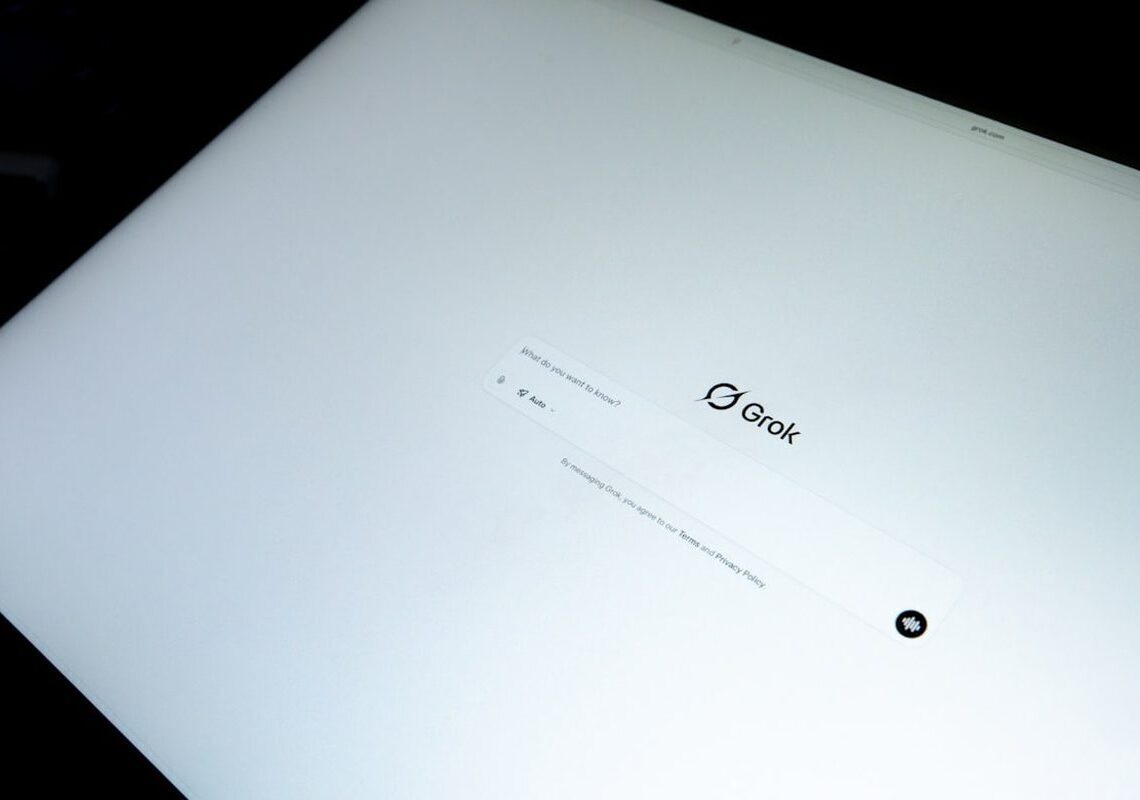

Elon Musk announced that xAI’s next major update for the Grok AI model, named Grok 4.20, will launch in three to four weeks. The statement, posted on X, read: “Grok 4.20 is coming out in 3 or 4 weeks.” Given the timing in mid-December, the release could occur in late December or early January 2026. This update marks the second major version for the fourth generation of Grok, following the Grok 4.1 release in November 2025. The rapid succession represents one of xAI’s quickest model rollouts.
Grok 4.20 appeared in stealth mode on the Alpha Arena platform before the public announcement. Alpha Arena serves as a stock-trading simulation environment that evaluates AI models’ reasoning and analytical skills using actual stock market data. Participants start with a virtual $10,000 investment and have two weeks to generate returns, with prices mirroring real-world values.
In the season 1.5 competition on Alpha Arena, Grok 4.20 surpassed competitors including GPT-5.1 and Gemini 3 Pro. It achieved a 12 percent profit on the initial $10,000, equivalent to about Rs. 9,00,000, while models from Google and OpenAI incurred losses. This performance indicates enhancements in reasoning capabilities and the speed of processing real-world data.

xAI developed Grok as part of its efforts to advance AI technologies. Elon Musk’s X platform already employs Grok to rank posts in users’ feeds, improving content curation based on AI analysis.
In a related development, the Grok 4.1 Fast variant set a record on OpenRouter, a third-party API directory and credit marketplace. Over one week, it processed 1.16 trillion tokens, exceeding usage of Anthropic’s Claude 4.5 Sonnet, Claude 4.5 Opus, and Google’s Gemini 3 Pro. OpenRouter facilitates API access and sales but does not directly measure overall model adoption.
The stealth release on Alpha Arena drew attention from X users last week, who shared screenshots of the unidentified model. Further details on Grok 4.20’s features remain limited until the official launch. xAI continues to iterate on Grok models to enhance performance in practical applications.