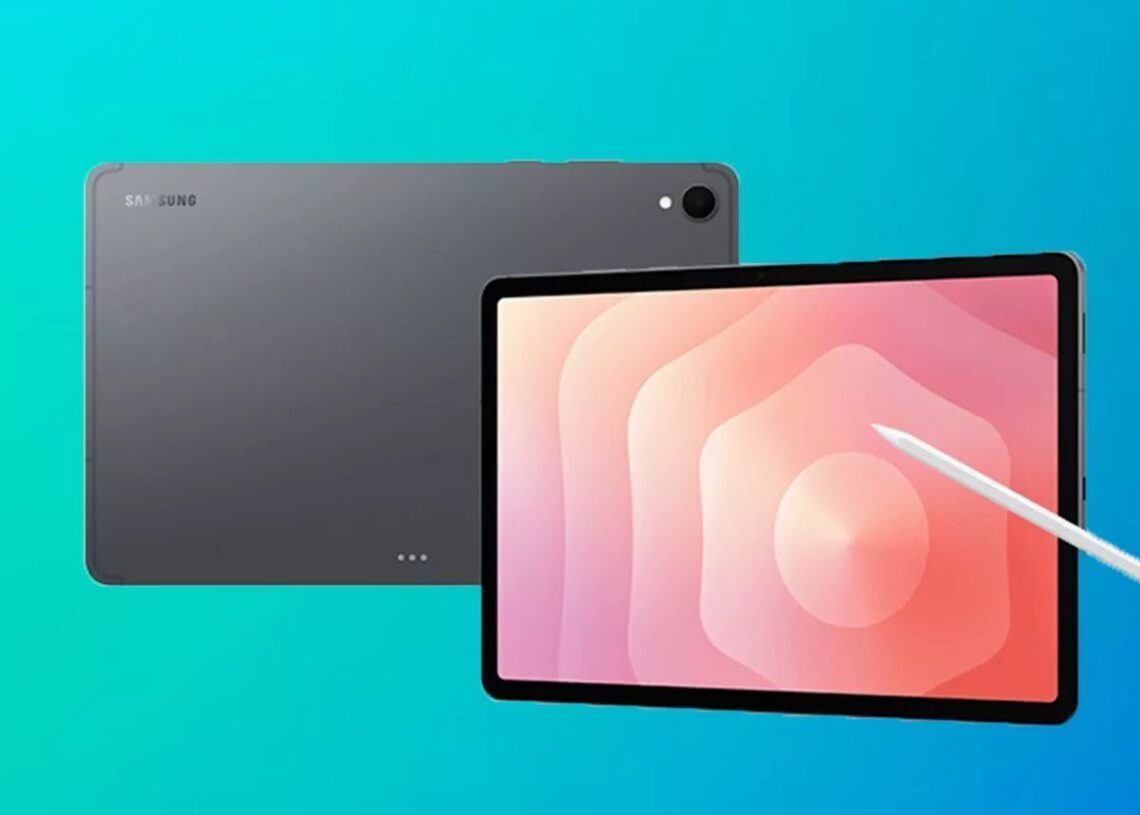

The Samsung Galaxy Tab S11’s productivity features are enhanced by its support for Google’s Linux Terminal app, which allows the device to function as a powerful Linux computer. While the tablet includes a large OLED display and Samsung-exclusive multitasking features like DeX, the addition of Linux app support expands its computing capabilities beyond those of most other Android tablets.
Google introduced the Linux Terminal app earlier this year, enabling users to run full-featured Linux programs on an Android device. The application boots a Debian virtual machine (VM), a popular Linux distribution, which allows users to send commands to the VM. This opens access to a range of power-user and developer tools that are not natively available on the Android operating system, effectively transforming a compatible device into a portable Linux PC.
However, access to the Linux Terminal app is not universal across all Android devices. There are two specific requirements for a device to be compatible. The first is that the device must run a version of the Android Virtualization Framework (AVF) that includes support for the Terminal app. This support was first introduced in the Android 15 QPR2 update released in March.


The second requirement is that the device’s chipset must support the operation of “unprotected” VMs. An unprotected VM is one whose memory can be accessed by the host operating system. This technical requirement is the primary reason for the discrepancy in support among different devices. For example, all of Google’s Tensor-powered Pixel devices support the app, as do some Exynos-powered devices from Samsung.
This chip-level dependency is illustrated by Samsung’s own foldable phones. The Snapdragon-powered Galaxy Z Fold 7 does not support the Linux Terminal, whereas the Exynos-powered Galaxy Z Flip 7 does. The Exynos chipset in the Flip 7 supports unprotected VMs, while the Snapdragon chipset in the Fold 7 does not.
The Galaxy Tab S11 series introduced a new variable, as it is powered by a MediaTek Dimensity 9400+ chip rather than an Exynos or Snapdragon processor. This raised questions about whether MediaTek’s chipsets met the requirements for the Linux Terminal. The tablet runs Samsung’s One UI 8, which is based on Android 16, satisfying the software version prerequisite. It was confirmed by Reddit user NSuknyarov that the Linux Terminal app functions correctly on the new tablet, answering the question of MediaTek’s compatibility.
In its current version on the Galaxy Tab S11, the Terminal app does not support graphical Linux applications out of the box. This functionality is expected to be delivered in a future software update. For users who do not wish to wait, it is possible to manually enable graphical app support by following instructions documented by Reddit user LeftAd1220.
The Galaxy Tab S11 is not the first tablet to feature Linux Terminal support; that distinction belongs to the Google Pixel Tablet. However, the Tab S11 provides a more powerful processor, more memory, and native display output. When combined with Samsung DeX, these hardware advantages allow the tablet to serve as an incredibly versatile portable computer.
The implications of this development extend beyond the Tab S11. The new Xiaomi 15T series, also powered by a MediaTek chip, is compatible as well, though users will need to wait for the Android 16-based HyperOS 3 update to be rolled out. This suggests that the Linux Terminal app will likely function on any Dimensity 9400-powered device running Android 16, as long as the manufacturer does not intentionally block it. It is not yet known if older MediaTek chips will also receive support.
An answer regarding older chipsets may come soon, as Samsung plans to roll out One UI 8 to the Dimensity 9300-powered Tab S10+. The article concludes by noting that Qualcomm may need to incorporate support for unprotected VMs into its future Snapdragon chips to prevent users of Snapdragon-powered devices from being excluded from these productivity advancements.