
Google has introduced a new experimental application called the Google app for Windows, allowing users to perform searches directly within the Windows operating system without opening a web browser. This innovation, launched through Google Labs, aims to streamline productivity by embedding a floating search interface into Windows 10 and 11 environments. As AI-driven alternatives like ChatGPT and Microsoft Copilot gain traction, Google’s move underscores its strategy to maintain the relevance of its traditional search engine by integrating it more seamlessly into users’ daily workflows.
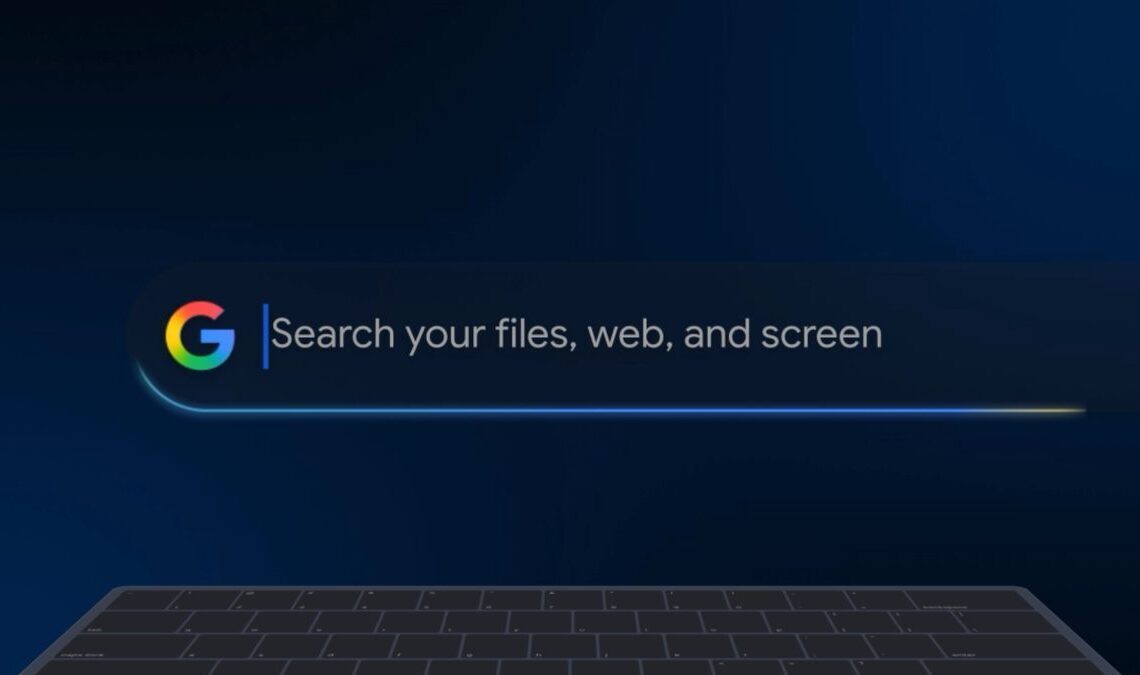
The app features a compact, floating search bar that can be summoned anywhere on the screen with a simple keyboard shortcut: Alt + Spacebar. Once activated, users can enter queries into the “Ask Anything” field, and results appear in a scrollable window mimicking the familiar Google search results page. This interface supports pagination for navigating multiple pages of results and includes filtering options for categories such as images, shopping, news, and videos. For those seeking concise overviews, the app offers access to Google AI Mode, which generates AI-powered synopses of search results, providing quick insights without delving into full pages.
A standout integration is Google Lens, which enhances the app’s utility for visual and textual searches. By selecting any text or image on the screen, users can instantly search for related information, copy the content, or translate text into another language. This functionality eliminates the need to switch applications or tabs, making it particularly useful for multitasking professionals and casual users alike. During installation, the app requests permissions to access local files and Google Drive contents, allowing these to be included in searches if desired. Users have the option to disable these permissions for privacy reasons, ensuring control over data access.
To participate in this experiment, interested users must visit the Google app for Windows page on Google Labs, enable the toggle switch to activate the experiment, and download the installer file. After installation, signing in with a Google account is required to personalize the experience. The process is straightforward, but Google emphasizes that the app is still in its experimental phase, with known limitations that may affect performance or features. Availability is currently restricted to users in the United States, and participation is capped due to limited space—prompting Google to advise quick action for those wishing to try it.
Google Labs serves as the company’s innovation hub, where experimental tools are tested for user adoption before potential wider rollout. This platform hosts a diverse array of AI-centric projects, reflecting Google’s heavy investment in artificial intelligence amid industry-wide enthusiasm. Notable experiments include Google Flow, a filmmaking tool designed to assist creators in video production; the Music AI Sandbox, which enables experimentation with AI-generated music; Jules AI, a coding assistant for developers; Little Language Lessons, an interactive language learning feature; Career Dreamer, aimed at career guidance; and NotebookLM, a note-taking and research aid powered by AI.
The launch of the Google app for Windows arrives at a pivotal moment for search technology. Traditionally, users rely on Google Search via browsers for information retrieval, a habit that involves interrupting current tasks to navigate to a web page. This new app addresses that friction by bringing search capabilities directly into the desktop environment, potentially boosting efficiency. However, it also responds to competitive pressures from conversational AI tools that are reshaping how people query information. Services like OpenAI’s ChatGPT and Microsoft’s Copilot have drawn users away from conventional search engines by offering direct, dialogue-based answers, challenging Google’s long-standing dominance in the sector.
By embedding search into Windows, Google not only enhances user convenience but also reinforces its ecosystem’s stickiness. This could encourage sustained engagement with Google services, countering the shift toward AI chatbots. Early feedback from testers, as implied in tech coverage, highlights the app’s potential as a “productivity hack,” particularly for Windows users who frequently multitask across applications. While the experiment’s U.S.-only access limits global reach, it sets the stage for possible expansions if adoption proves strong.
As Google continues to evolve its offerings through Labs, this app exemplifies the blend of legacy search prowess with modern AI integrations. For Windows 10 and 11 users in eligible regions, it represents an accessible entry point to test these advancements, though the experimental nature means features may evolve based on user input and technical refinements.