
Microsoft is reportedly preparing to lay off thousands of workers in July 2025, primarily impacting its sales and customer service divisions. This substantial workforce reduction comes as the company simultaneously announces an unprecedented investment of an estimated $80 billion into artificial intelligence (AI) infrastructure over the next fiscal year. The stark contrast between these two developments underscores a critical transformation within Microsoft and the broader industry.
The impending layoffs, reported by Bloomberg and further elaborated by Cal Jeffrey in a June 19, 2025, TechSpot article, signal a strategic reorganization for the Redmond-based tech giant. While the exact figures of the affected employees have not been disclosed by Microsoft, reports suggest a significant impact on customer-facing teams. This move is seen as a direct consequence of the company’s pivot towards automation and AI-driven services, aiming to streamline operations and enhance efficiency through technological advancements rather than human labor.
The staggering $80 billion investment in AI infrastructure is not merely a number; it represents Microsoft’s deep commitment to becoming a leader in the AI age. This massive capital allocation will fund the development and expansion of hyperscale data centers, the acquisition of powerful Graphics Processing Units (GPUs), and the establishment of energy-intensive server farms. These foundational components are essential for supporting the complex computational demands of advanced AI models and applications across Microsoft’s diverse product portfolio.



While Microsoft has refrained from explicitly linking the upcoming layoffs to its massive AI investment, the implicit connection is increasingly undeniable. The company is aggressively integrating machine learning capabilities across its entire product line, from its cloud computing service Azure to its ubiquitous Office suite. Key initiatives like its strategic partnership with OpenAI, which includes a multi-billion dollar investment, and the widespread deployment of AI-powered tools such as Copilot, exemplify this strategic shift. These developments reflect a concerted effort to move away from labor-intensive workflows and embrace automated solutions that promise greater efficiency and scalability.
A significant point of concern highlighted by industry observers is Microsoft’s apparent lack of comprehensive support for its workforce during this transition. Despite the immense scale of this organizational shift and the company’s substantial resources, there has been little public indication of large-scale retraining or internal upskilling efforts for its employees to adapt to an AI-centric future. The emphasis, thus far, has predominantly been on infrastructure development, strategic partnerships, and the rapid rollout of new AI products. This approach suggests a focus on technological advancement over proactive workforce adaptation strategies, leading to an uncertain future for many displaced workers.
This trend is not unique to Microsoft but reflects a broader pattern observed across the tech sector. Companies such as Amazon, Duolingo, and Dropbox have also cited AI-driven efficiency gains as a rationale for workforce reductions. These companies often frame such decisions in terms of enhancing shareholder value and achieving operational agility. However, critics argue that such moves frequently diminish opportunities for employees to transition into new, AI-integrated roles within the organization, leaving them with severance packages but uncertain career paths.
The contrast between the billions poured into AI development and the limited support for displaced employees is stark. As Microsoft actively reorganizes its operations around artificial intelligence, the company is effectively betting its future on the transformative power of AI. While this strategy may yield long-term benefits in terms of market leadership and profitability, it simultaneously underscores a widening gap between investment in automation and the necessary support systems for a human workforce facing displacement. The unfolding events at Microsoft serve as a critical case study in the ongoing societal and economic implications of the AI revolution.
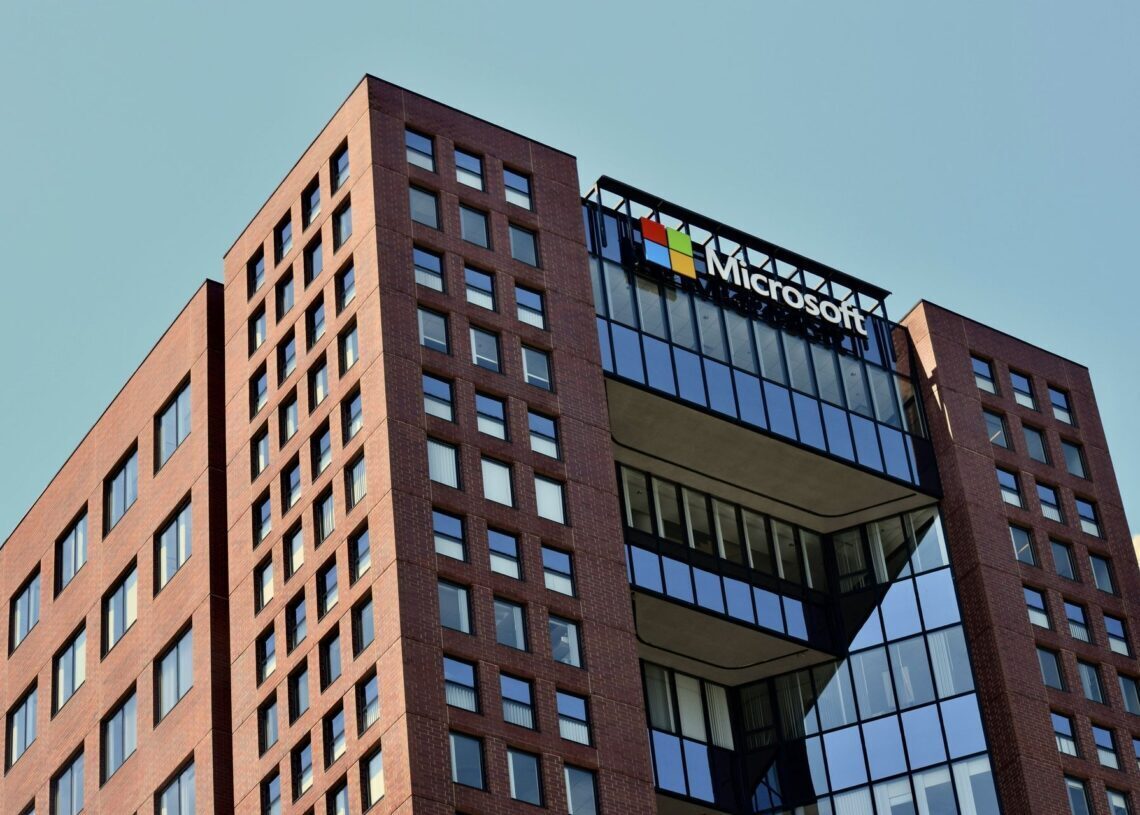
Featured image credit: Praswin Prakashan/Unsplash