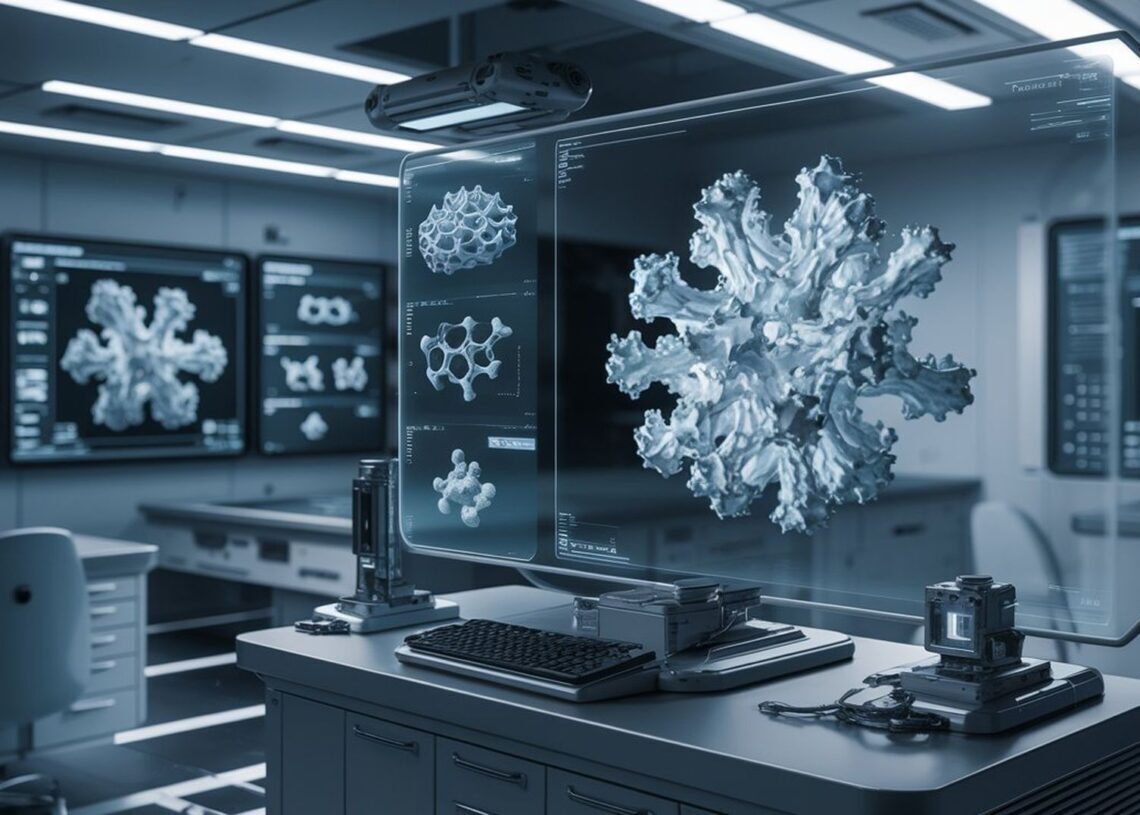

In a prize that electrified the scientific community, three brilliant minds have won the Nobel Prize in Chemistry. Two scientists at Google DeepMind, Demis Hassabis, and John Jumper, are among the laureates whose work proposes to reshape biotechnology and medicine through protein folding. Completing their achievements is David Baker, a biochemist from the University of Washington, whose groundbreaking work in computational protein design enhances theirs. Along the way, their discoveries have opened new ways to learn about and engineer proteins, the key molecules of all life on Earth.
Ultimately, it lies at the heart of this achievement, this quartet of predictions, and it begins with advanced artificial intelligence models, notably those made by Hassabis and Jumper. That breakthrough, AlphaFold2, enables almost all proteins to be predicted from their sequences. Already, this achievement is causing such acceleration of research in drug discovery and molecular biology that it has begun to catch the attention of policymakers and the public. Baker’s contributions were important, but AI technology did what many believed impossible — it cracked a decades-old scientific puzzle.
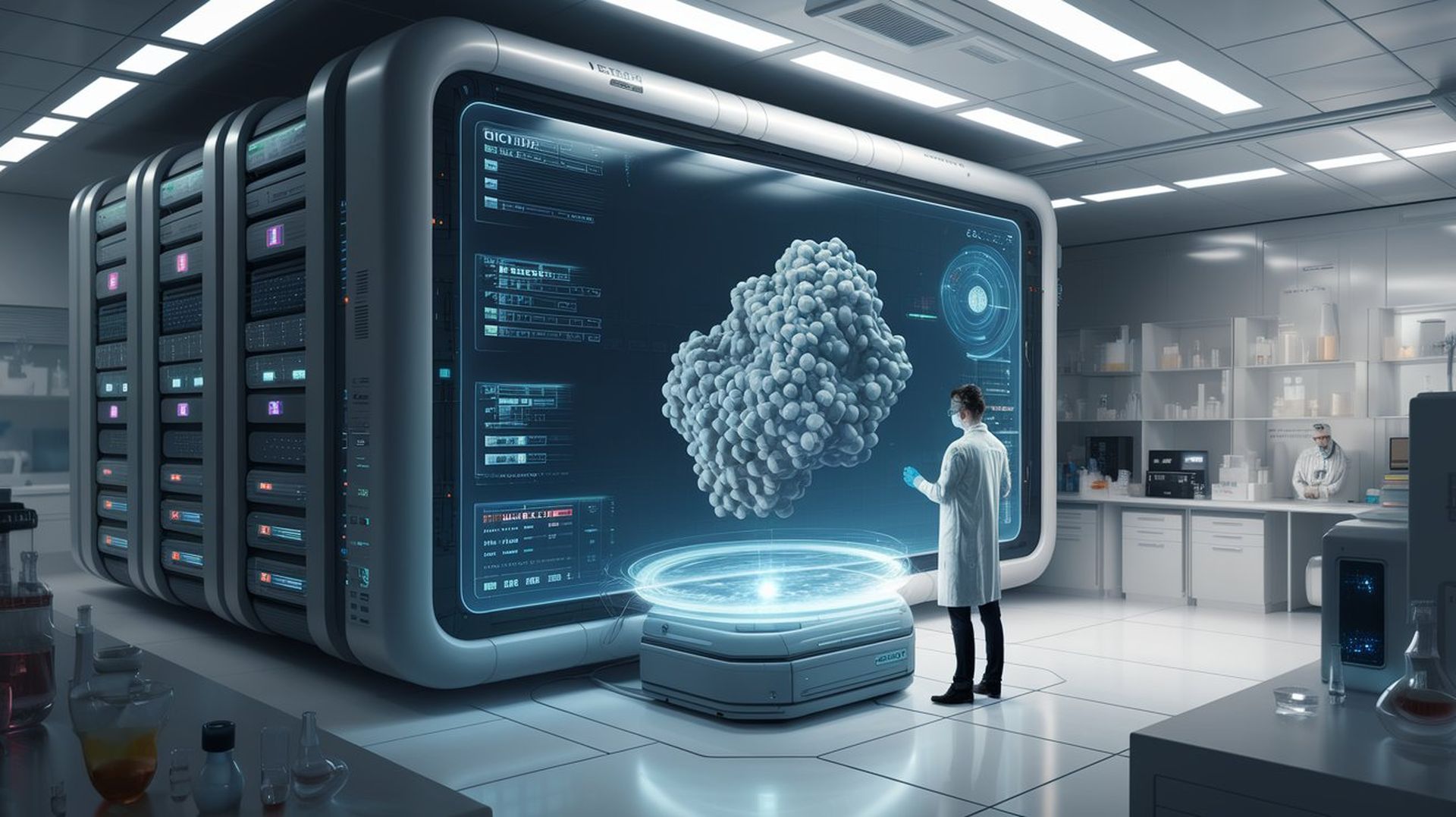
Google DeepMind shocks academia with Nobel Chemistry Prize victory
The trio was awarded the Nobel Prize for developing techniques to decode and design proteins. Life can be compared to buildings made of bricks, but bricks are more like the building blocks of life: Complex Proteins are often described as molecules that help us perform virtually every process in our body. For decades, though, their structure has been a mystery. However, efficient mapping and designing these intricate molecules has been a goal of scientists for years, thanks to AI.


Secondly, John Jumper and Demis Hassabis from Google DeepMind made an AI model called AlphaFold2, which can predict the structure of any known protein. This model has already mapped out 200 million protein structures, an unimaginable achievement at the time. You can now do what once took years and years of painstaking research in just a few seconds. Their work gives insight into known proteins and helps open the door to creating new proteins with amazing precision.
David Baker’s contribution, meanwhile, was a piece of software called Rosetta, which builds new proteins from parts of existing ones that don’t naturally occur in nature. This work represents an enormous step in understanding and building proteins and will have far-ranging implications for medicine, environmental science, and materials engineering.
How AI revolutionized all of protein research
This Nobel-winning research is important. Every biological function is protein-driven: from muscle contraction to immune defense, the function of proteins depends on their shape. For decades, scientists have tried but struggled to predict how proteins fold into their complex three-dimensional structures accurately. So, we must understand this process to unlock possible medical treatments, develop vaccines, and even create biodegradable materials.
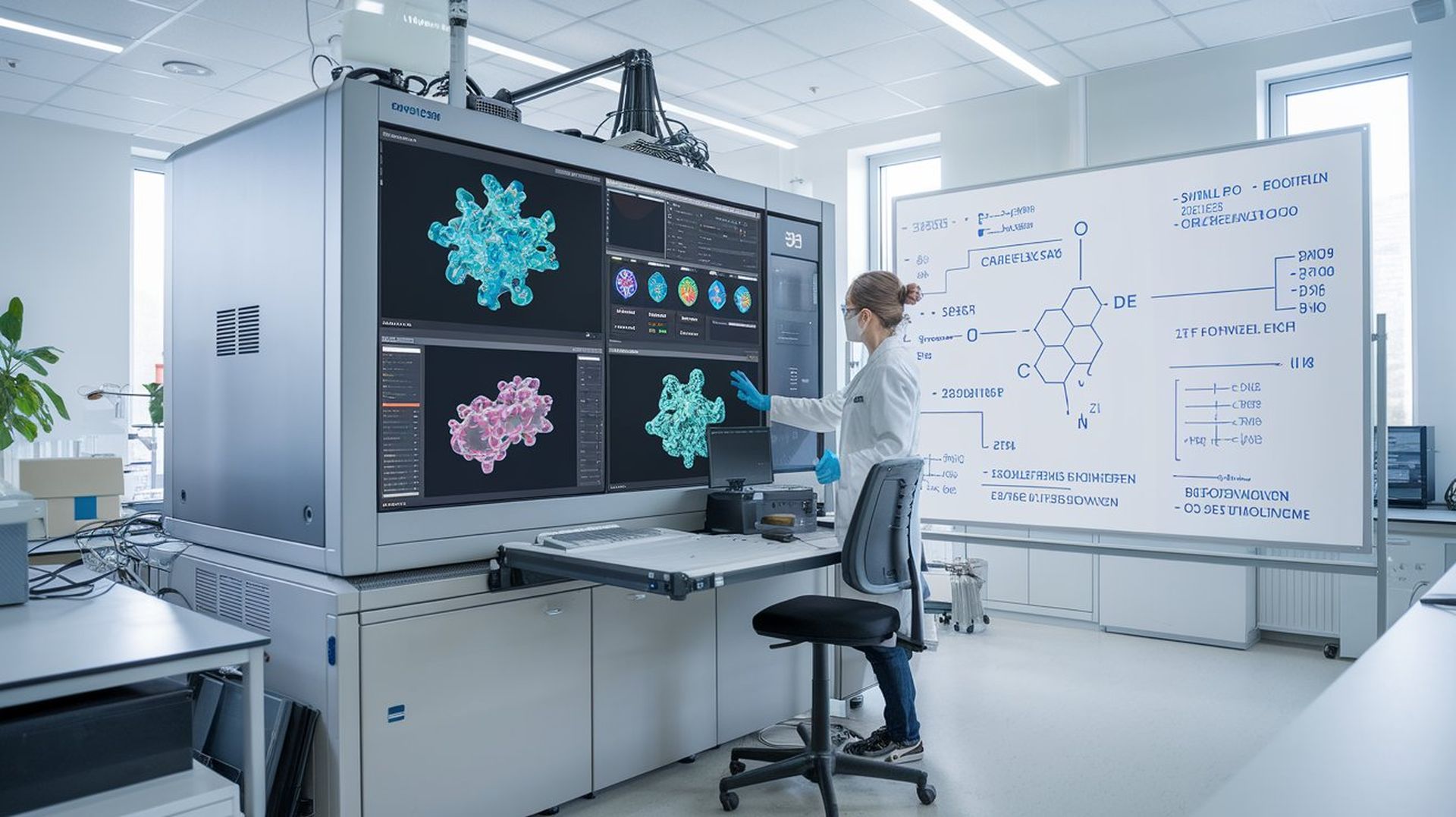
Hassabis and Jumper’s brainchild AlphaFold2 allows you to accurately predict the structure of virtually any protein, cutting massively down on research time. It’s an AI-powered system that quickly analyses amino acid sequences to determine how any sequence will fold into a functional protein. According to Hassabis, this breakthrough “saves years of experimental work,” allowing scientists to shift their focus toward applications, such as developing new medicines and materials.
This AI technology works hand in hand with Baker’s Rosetta software. With the application of machine learning that uses existing protein data, they could design new, even entirely new, proteins to tackle tough problems like pollution or make smarter, more efficient medicines. In some cases, Baker said, potential new treatments, such as nasal sprays to slow the spread of viruses like COVID-19 or drugs to block dangerous immune responses.
The combination of AlphaFold2 and GenScript deep learning platforms enables faster research, which would have previously taken longer.
Since its release, AlphaFold2 has been free for scientists worldwide, a dramatic reheel in research as we know it. More than 2 million researchers in 190 countries have already used the system to expand disease research into malaria, Parkinson’s, drug-resistant bacteria, and more. If the tool speeds up the process of identifying new drugs at lower cost and less expense than ever, it could have a major impact on medicine.
Noting AlphaFold2’s long-term potential, John Jumper spoke about how it can help speed up the development of medicines and vaccines around 10—to 20-fold, particularly in response to emerging pandemics and outbreaks. It was clear David Baker was enthusiastic about the future application of technology—he thought this was only the tip of the iceberg of what AI could do in science.
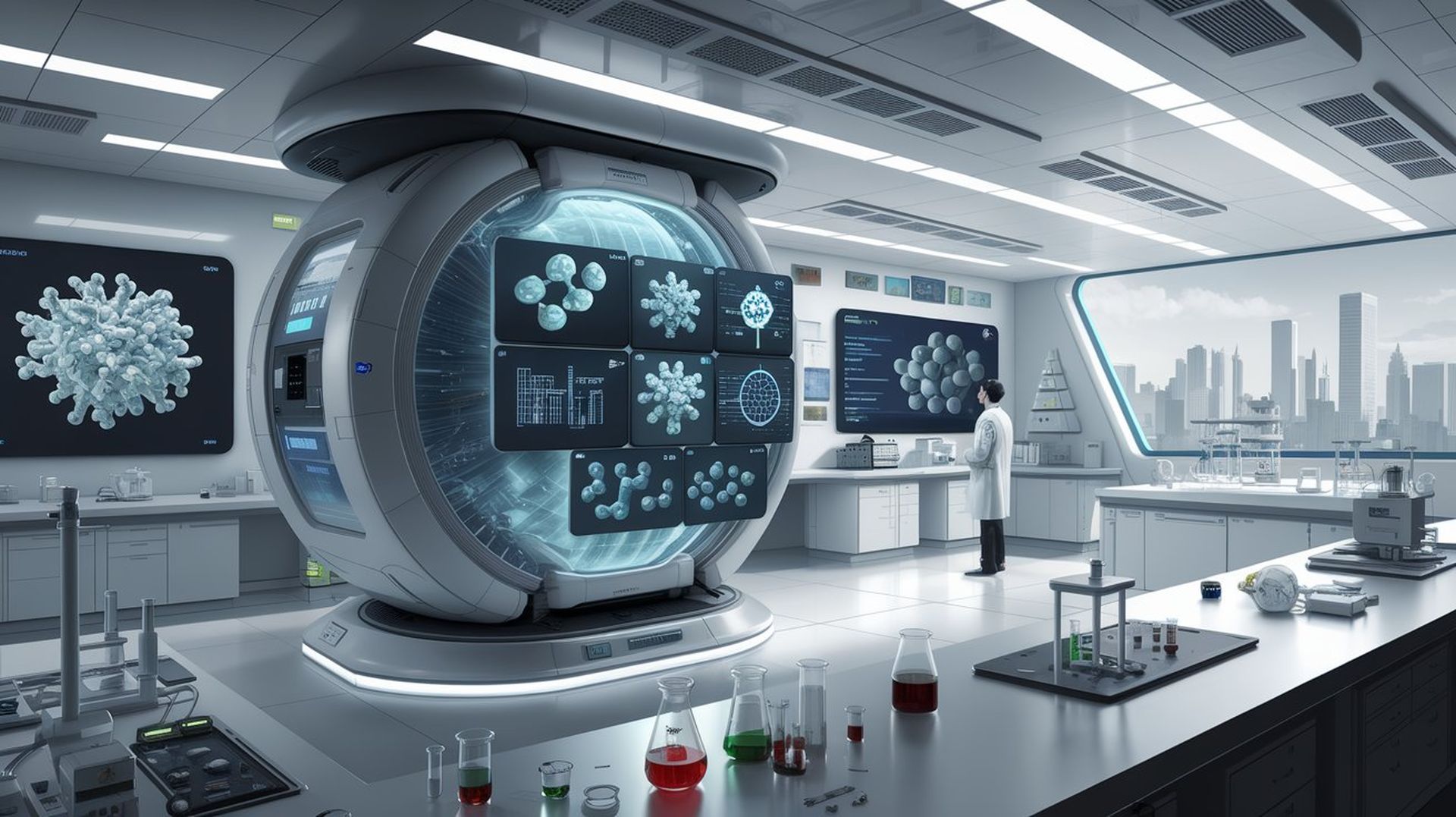
In the hands of science, the power of AI
And that isn’t to say that solving this old scientific puzzle is an achievement—it is about fundamentally changing how we think about research in the first place, says Hassabis and Jumper. AI systems, such as AlphaFold2, are proving that otherwise labor-intensive scientific processes can now be more accessible, practical, and scalable. This isn’t theoretical; it’s happening now in laboratories worldwide, and the consequences for everything from pharma to environmental science could be huge.
But despite the huge potential, Hassabis was also evidently cautioning. In a statement, he described AI as having ‘ a double edge to it,’ meaning it seems at once a means to improve lives, and we have to be extraordinarily careful using it and worried about what could be its unintended effects. With the continued development of these technologies, their priority will be to ensure that any risks outweigh the benefits.
This shows how far we have come in using AI to solve biology’s toughest problems. Many of the questions we have been asking have changed. It’s still early days for using AI to research proteins, but advances by Demis Hassabis, John Jumper, and David Baker are changing the face of science. Their work is bringing science fiction closer than ever. This Nobel Prize-winning discovery will have an impact far beyond biology and medicine.
Image credit: Furkan Demirkaya/Ideogram