
SpaceX successfully conducted the first test flight of its Starship V3 on Friday night, achieving most objectives despite losing an engine during ascent. The launch occurred at 6:30 PM Eastern time from Starbase, Texas, after a previous attempt was postponed due to a hydraulic pin issue with the spacecraft’s tower arm.
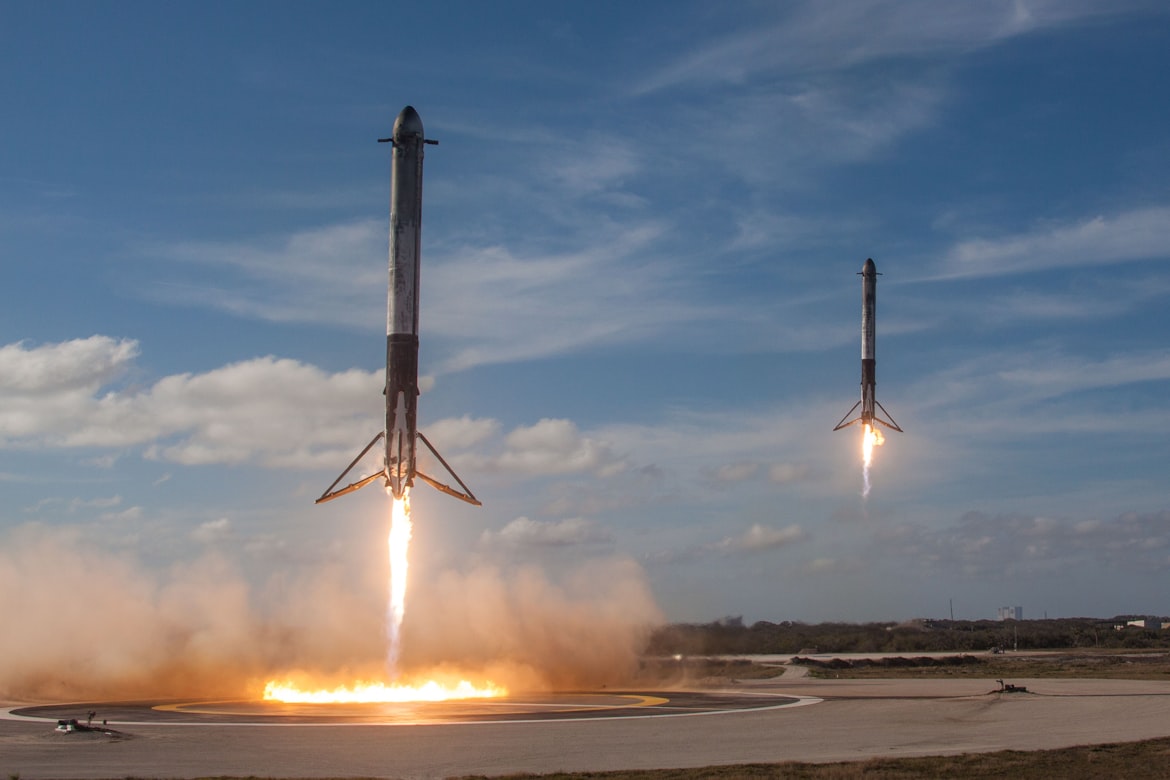
During the flight, all 33 Raptor 3 engines ignited, but one engine shut down while the booster ascended. Despite this, the Starship continued to stage separation, where the booster executed a directional flip maneuver intended for future missions. However, it failed to complete a boostback burn and crashed into the Gulf of Mexico, which was renamed the Gulf of America in 2025.
The booster’s recovery was not part of this mission’s objectives. The upper-stage Ship maintained its trajectory despite the loss of one of its six Raptor 3 engines. Approximately 30 minutes after launch, the Ship deployed 20 Starlink simulators along with two modified Starlink satellites that captured images of the Ship in flight.



During re-entry, the Ship collected data on its heat shield performance and executed maneuvers to stress test its rear flap, simulating trajectories for future missions. The Ship performed a landing flip and burn using two Raptor engines but exploded upon splashing down in the Indian Ocean.
Despite the setbacks, Elon Musk congratulated his team on what he called “an epic first Starship V3 launch and landing” and stated they “scored a goal for humanity.” This test flight coincided with SpaceX’s filing for a public IPO with the Securities and Exchange Commission. Reuters reported that SpaceX shares are expected to start trading on June 12.