
Google is expanding its AI detection system SynthID to Chrome and Search, enhancing capabilities to identify AI-generated and AI-edited images. SynthID, which appends invisible metadata to content created or modified using Google’s AI tools, has previously been integrated into the Gemini app.
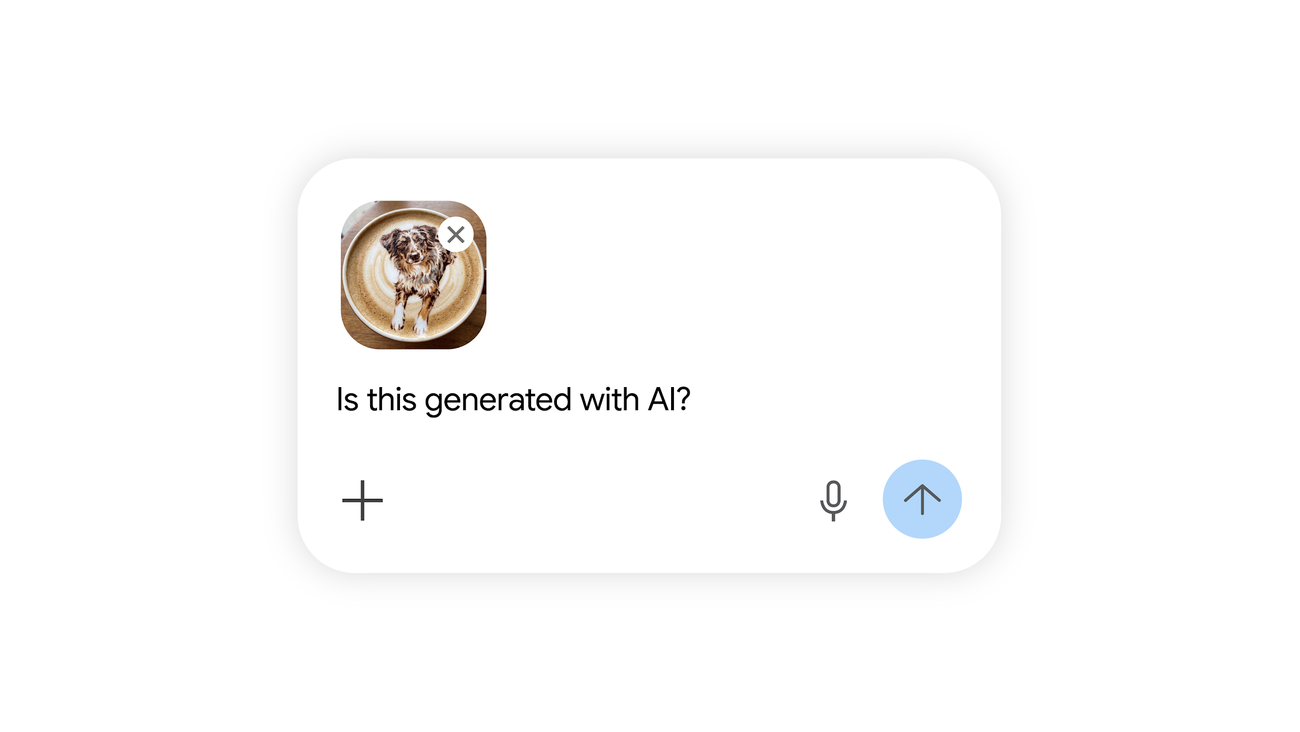
The latest update allows users to assess an image’s origin through various methods. Google’s Circle to Search feature on Android will now flag AI content, while Google Lens and Chrome’s version of Gemini can respond to queries about whether a specific image is AI-generated. According to Google, these tools will provide detailed provenance information, indicating, for instance, if an image was taken with a Pixel phone and edited in Google Photos.
However, Google noted it may not always provide detailed information for every AI-altered image, particularly those created on other AI platforms. The company has added content credentials to the native camera app for the Pixel 10 and is expanding this capability to the Pixel 8 and 9 models. Alongside this, OpenAI, Kakao, and ElevenLabs are integrating SynthID technology into their AI-generated content. OpenAI confirmed that its integration will begin with images produced using ChatGPT, Codex, or the OpenAI API.



Google is also expanding support for content credentials, with support for the Gemini app launching today. Integrations into Chrome and Search are expected in the coming months. The company acknowledged that no AI watermarking system is completely foolproof, asserting that there are ways to evade detection tools and watermarks.
“As AI-generated content becomes more convincing and ubiquitous, making it easier for people to double-check the authenticity of what they see is a useful first step,” Google stated.