
A leak has revealed extensive details about the upcoming Google Pixel 11 family, which will feature the new Tensor G6 SoC built on TSMC’s 2nm node. The CPU will comprise one ARM C1-Ultra core clocked at 4.11GHz, alongside four ARM C1-Pro cores at 3.38GHz and two ARM C1-Pro cores at 2.65GHz. Each device will be equipped with a PowerVR C-Series CXTP-48-1536 GPU, Google’s Titan M3 security chip, a MediaTek M90 (MT6986D) modem, and a new Tensor Processing Unit (TPU).
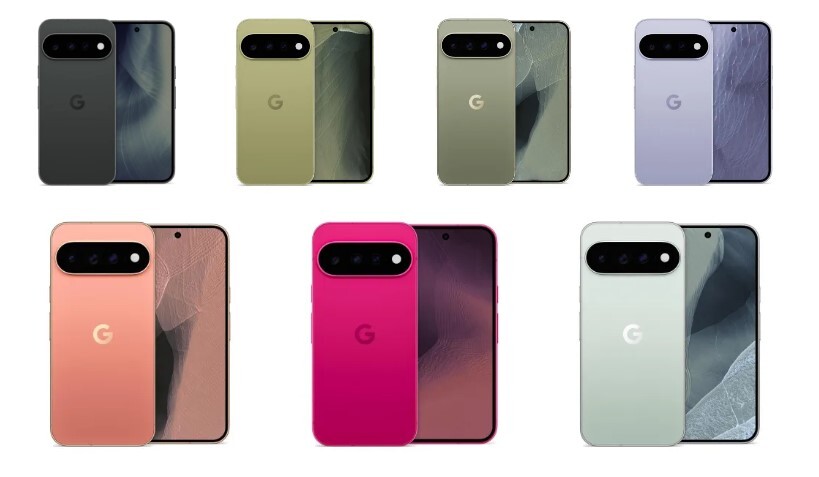
The standard Pixel 11 is expected to have a 6.3-inch OLED display featuring a resolution of 1080×2424 pixels and a 120Hz refresh rate. It will support 240Hz PWM and provide a peak brightness of up to 2,200 nits. The device will come with options of 8GB or 12GB of RAM, and its main camera is anticipated to be 50MP. The battery capacity will be rated at 4,840 mAh, likely marketed as a typical capacity of 5,000 mAh. Color options include black, green, pink, and purple.
The Pixel 11 Pro will have a 6.3-inch 1280×2856 OLED screen with a 120Hz refresh rate and a peak brightness of 2,450 nits, paired with either 12GB or 16GB of RAM. It is expected to feature a new main camera, a new telephoto camera, and a rated battery capacity of 4,707 mAh, likely to be advertised as 4,850 mAh or 4,900 mAh.


The Pixel 11 Pro XL will sport a larger 6.8-inch OLED display with a resolution of 1344×2992, maintaining the same 120Hz refresh rate and 2,450-nit peak brightness. This model will also offer RAM configurations of 12GB or 16GB, a new main camera, and a new telephoto camera, alongside a battery rated at 5,000 mAh, which may be marketed as 5,100-5,200 mAh.
The Pixel 11 Pro Fold will feature an internal folding screen with a resolution of 2076×2160 and a 120Hz refresh rate, providing a peak brightness of 2,050 nits. Its cover display will offer a resolution of 1080×2342 at 120Hz, with a peak brightness of 2,450 nits. It will include 12GB or 16GB of RAM and a rated battery capacity of 4,658 mAh, likely to be marketed as 4,800 mAh.
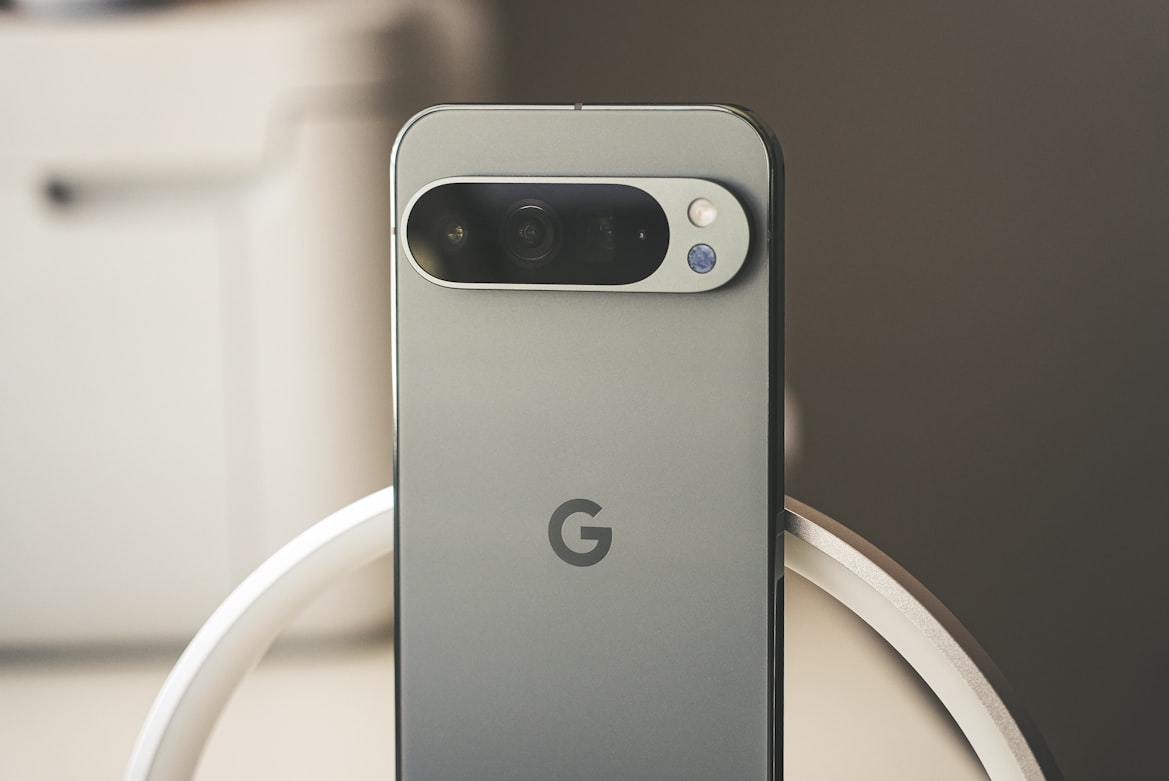
All Pixel 11 Pro models will remove the thermometer seen in previous versions, replacing it with an RGB LED array in the camera bar, reminiscent of Nothing’s Glyph interface but smaller. Reports indicate that the anticipated IR face unlock feature is “likely” not ready for inclusion in the 2026 Pixels.
The devices will not launch in Indonesia due to software exploitation restrictions imposed by the country’s E-Commerce Ministry, which has led to a crackdown on bootloading Android.