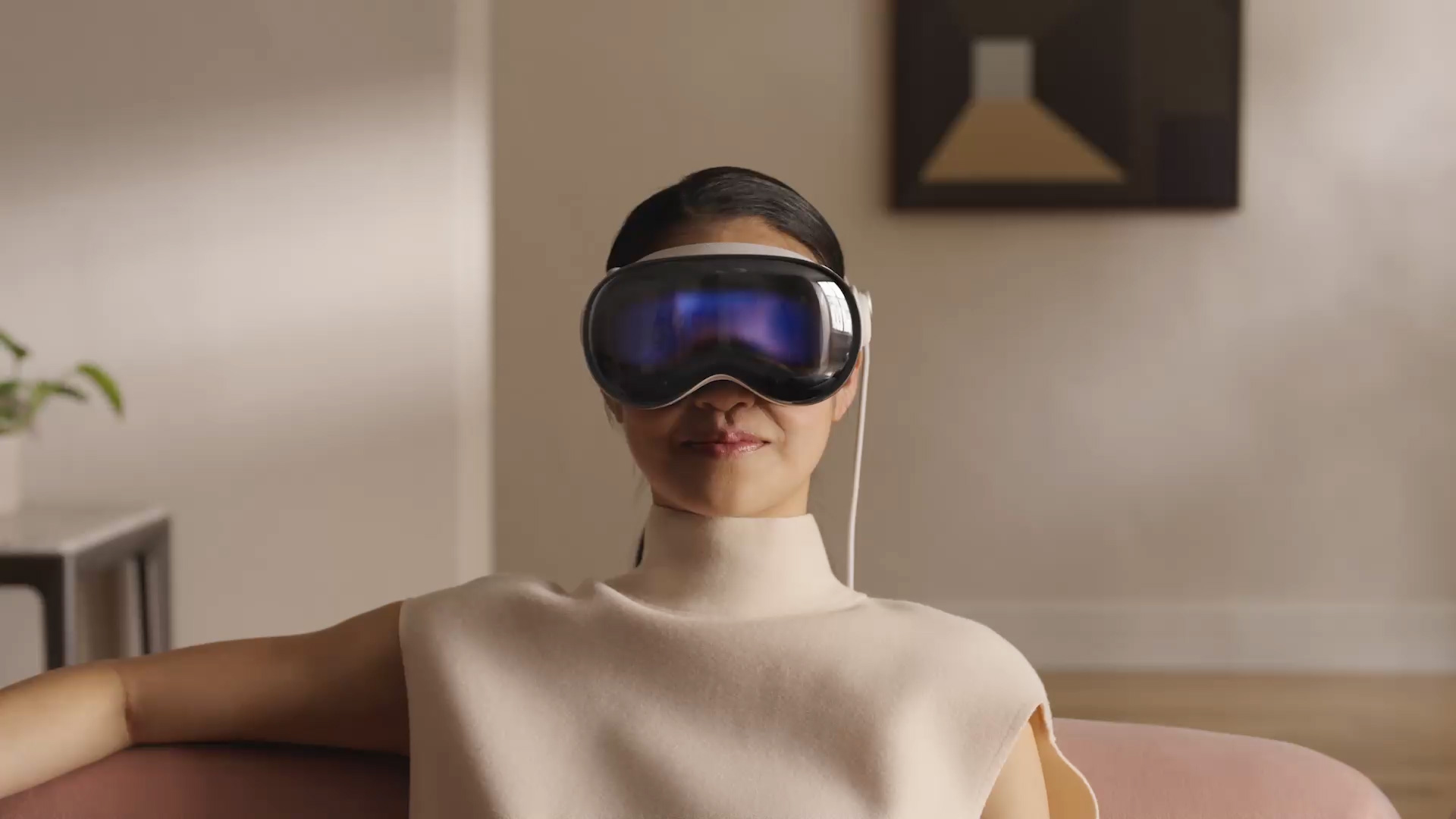

Apple has shelved the Vision Pro device following an M5 chip refresh in October 2025 that failed to rekindle consumer interest. The company has disbanded the Vision Pro team, reallocating its members to various other divisions, and is not actively developing a successor headset.
The October 2025 update introduced an M5 chip alongside a Dual Knit Band, which provided a 120Hz refresh rate, 10% more rendered pixels, and an additional 30 minutes of battery life, while keeping the price at $3,499. Sales continued to decline, with an unusually high return rate for the M5 version, surpassing any other current Apple product.
Apple has ceased all development on new Vision Pro models, though it has not formally discontinued the M5 version and continues to sell it. Former Vision Pro team members have been reassigned to various projects, including Siri development, with Mike Rockwell at the helm of the Siri team since March 2025.


The Vision Pro, which launched in February 2024, faced significant challenges from the outset. Analysts from Morgan Stanley cited the device’s cost, form factor, and limited library of native VisionOS apps as primary reasons for its poor sales performance. By the end of 2025, IDC estimated that Apple shipped only 45,000 units during the holiday quarter, a sharp decline from approximately 390,000 units sold in 2024.
Apple has drastically reduced its digital advertising budget for the Vision Pro by more than 95% in key markets, including the U.S. and the U.K. Additionally, reports indicated that Luxshare, Apple’s manufacturing partner, stopped Vision Pro production in early 2025.
In a strategic pivot, Apple is shifting focus from immersive headsets to AI-powered smart glasses. The company is reportedly testing four frame designs under the codename N50, with a possible reveal in late 2026 and a launch targeted for 2027. These smart glasses will include cameras, microphones, and integration with Apple Intelligence, but will not feature a display in their initial version.
Outgoing CEO Tim Cook is reportedly personally invested in developing a product to rival Meta Platforms’ Ray-Ban smart glasses. Apple has struggled to adapt Vision Pro technology for the new smart glasses due to power requirements, focusing its spatial computing ambitions on glasses rather than headsets for the foreseeable future.