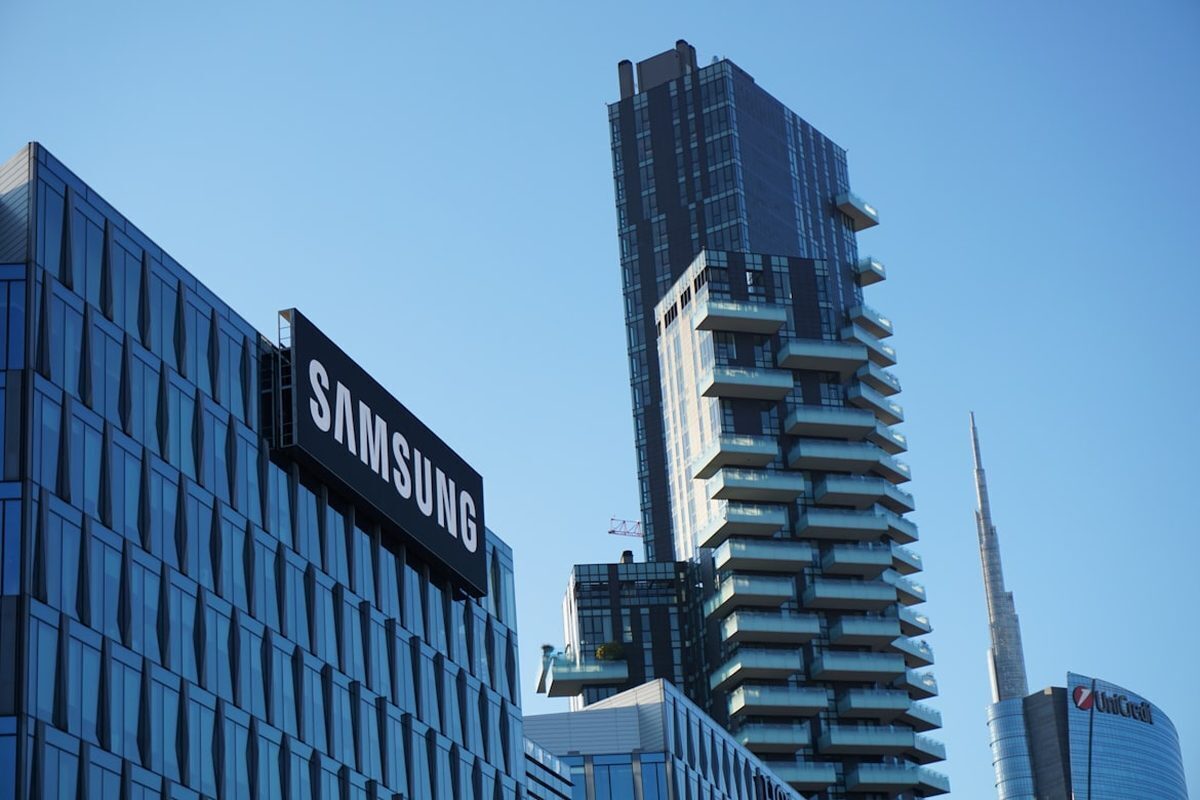

Samsung Electronics reported a more than threefold increase in fourth-quarter operating profit on Thursday, reaching a record 20.1 trillion Korean won ($65.58 billion) and surpassing analysts’ estimates. The result beat LSEG SmartEstimate figures of 20.018 trillion won for operating profit and 93.318 trillion won for revenue.
Quarterly revenue climbed 24 percent from a year earlier to 93.8 trillion won, also a new record. Operating profit rose over 200 percent year over year, exceeding the previous high of 17.6 trillion won from the third quarter of 2018. The performance aligned with Samsung’s guidance of around 20 trillion won.
Shares in Samsung opened 2.58 percent higher on Thursday but fell 1.54 percent during morning trade.



Executives highlighted surging memory prices as a key driver for the chip business during an earnings call. They added that rising costs would affect smartphone and display divisions going forward.
The company disclosed that capital expenditure declined for the full year of 2025 under a conservative investment approach. Samsung plans to increase memory-related investments this year.
Samsung’s memory business achieved all-time highs for quarterly revenue and operating profit. Gains stemmed from market price surges and sales of high-bandwidth memory (HBM) and other high-value products. Under the Device Solutions (DS) division, Samsung shifted focus to HBM, a memory type used in AI data-center chipsets.
Demand for HBM from AI chipset makers like Nvidia exceeded supply, leading to shortages across the broader memory market. This dynamic raised prices for chips in personal computers and mobile devices, benefiting Samsung and rival SK Hynix, which reported record earnings on Wednesday.
Samsung, South Korea’s largest company by market capitalization, leads in memory chips, semiconductor foundry services, and smartphones.
For the first quarter of 2026, the DS division anticipates continued growth in AI and server demand, creating structural opportunities. It will prioritize high-performance products to sustain profitability.
The Mobile Experience and Networks (MXN) division, responsible for smartphones, tablets, wearables, and related devices, recorded weaker results. Operating profit dropped to 1.9 trillion won, a 9.5 percent decline from a year earlier and more than 45 percent from the prior quarter. Factors included reduced launch effects from new smartphone models and intense competition.
In the first quarter of 2026, Samsung intends to advance AI smartphones through “Agentic AI experiences” with the Galaxy S26 series launch. It will counter higher component costs via supplier partnerships to optimize resources and the supply chain.
The Display business saw profits more than double to 2 trillion won in the December quarter, supported by strong sales to smartphone brands.