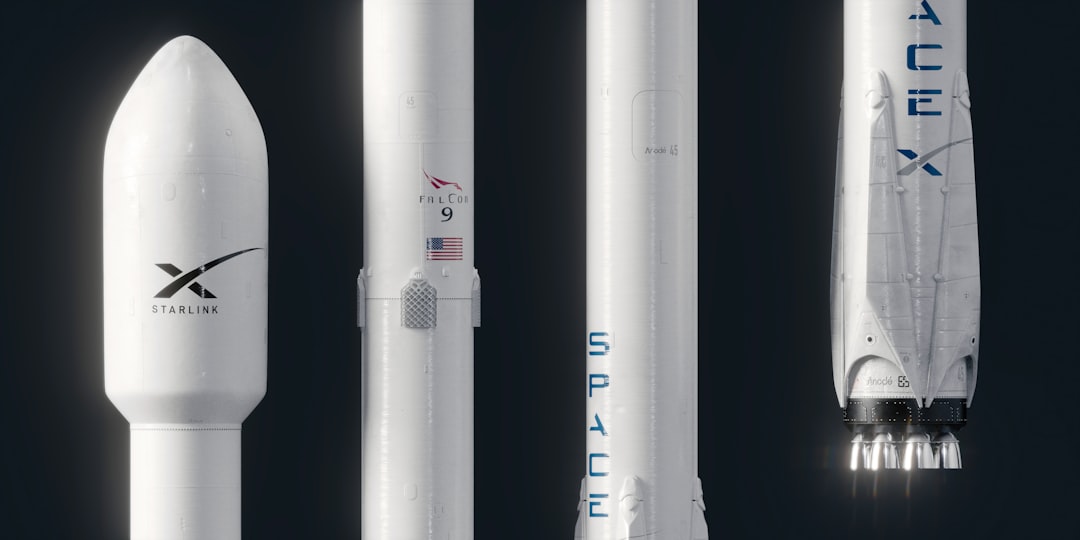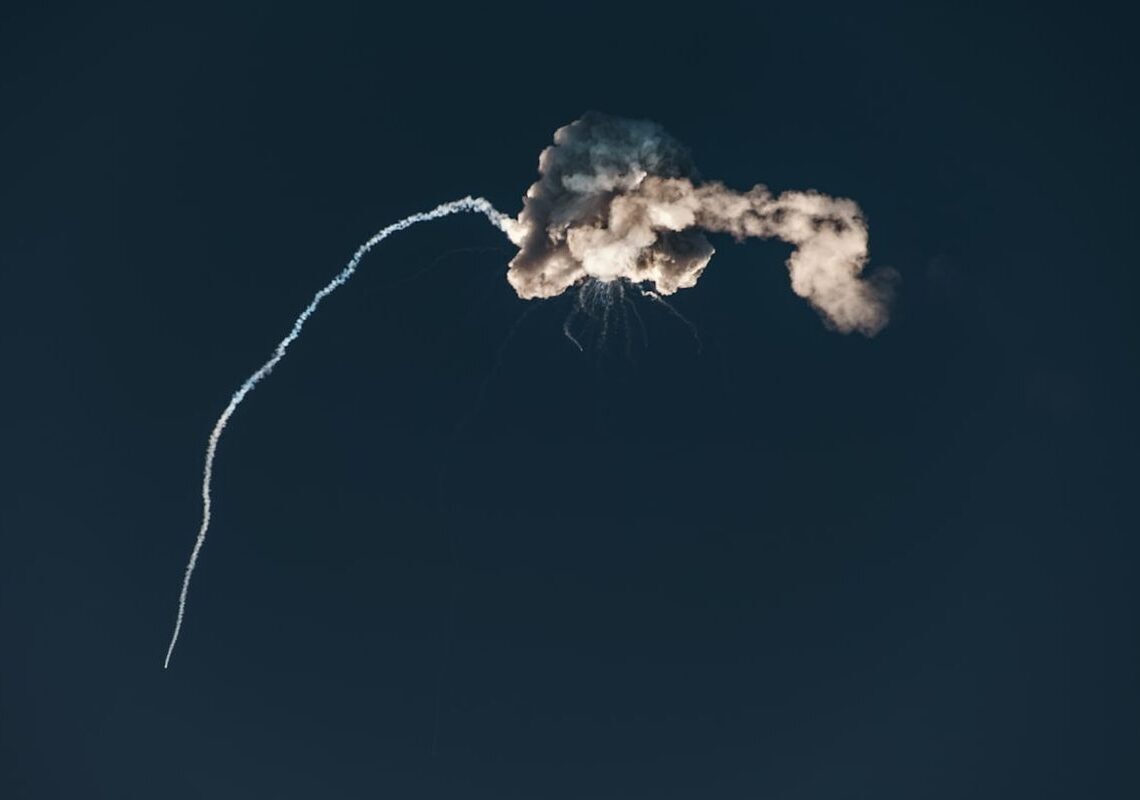

SpaceX has lost control of Starlink satellite 35956, which is now falling back to Earth following an anomaly. The incident involved a sudden loss of communications, a drop in altitude, venting of the propulsion tank, and the release of a small number of trackable low-relative-velocity objects, indicating a possible explosion.
SpaceX stated the event poses no threat to the International Space Station crew and that the satellite and debris will burn up in the atmosphere within weeks. The mishap occurred one week after SpaceX reported a near miss with a Chinese satellite.
Space-tracking firm Leo Labs determined the anomaly was likely caused by an internal energetic source rather than a collision. Its radar network detected tens of objects around the satellite after the event.



The incident took place at an altitude of 418 km (260 miles) in low Earth orbit, where more than 24,000 objects—including satellites and debris—are currently tracked. By the end of the decade, that region could host up to 70,000 satellites, primarily from space-internet constellations such as Starlink, launched by organizations in the US, China, and Europe.