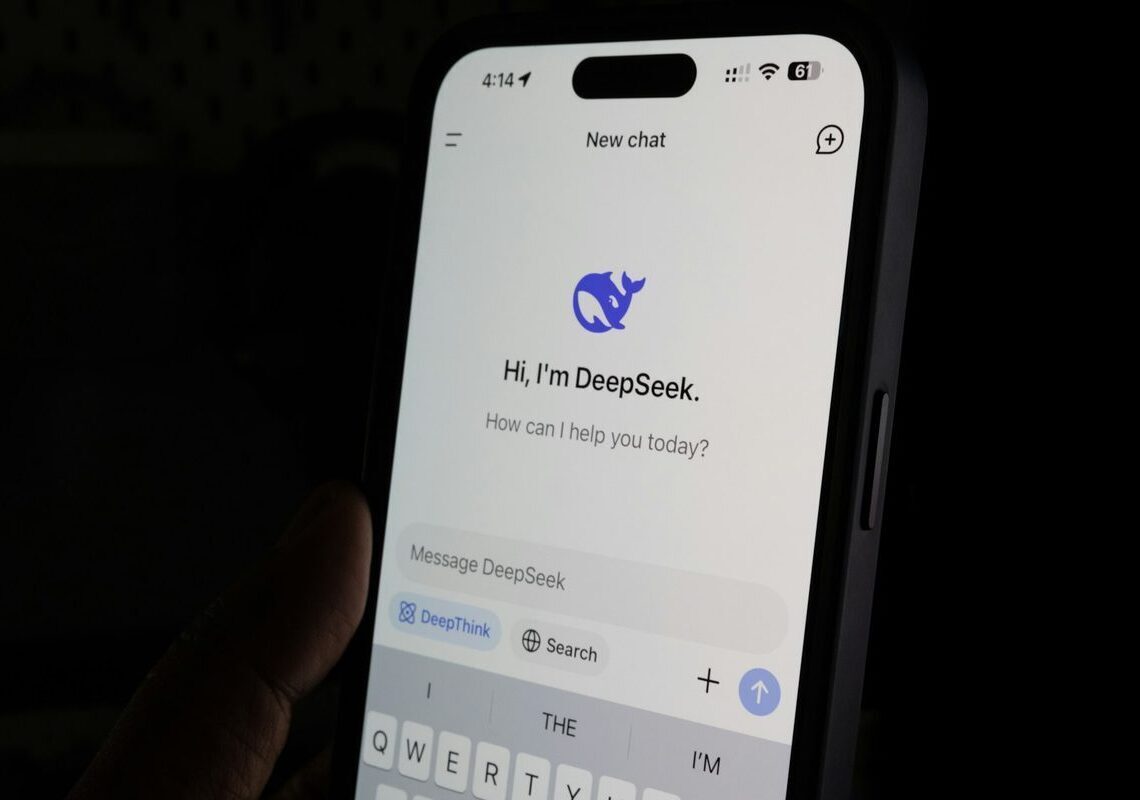

Chinese AI giant DeepSeek has encountered significant delays in the release of its latest model, R2, primarily due to persistent technical difficulties with Huawei’s Ascend chips. The company, facing encouragement from Chinese authorities to adopt domestic processors over Nvidia’s H20 systems, has struggled to achieve a successful training run using the Huawei hardware.
Despite on-site assistance from Huawei engineers, DeepSeek has been compelled to rely on Nvidia hardware for the core training of its models, reserving Ascend chips mainly for inference tasks. This reliance highlights a notable gap in stability, inter-chip connectivity, and software maturity between Huawei’s offerings and Nvidia’s more established products.
The R2 launch, initially slated for May 2025, was consequently postponed. The delays are attributed not only to the hardware challenges but also to longer-than-expected data labeling for the updated training dataset. DeepSeek founder Liang Wenfeng has reportedly expressed dissatisfaction with the model’s progress, emphasizing the need for additional development to ensure R2 can maintain the company’s competitive edge in the rapidly evolving AI landscape.



This setback has allowed competitors, such as Alibaba’s Qwen3, to gain an advantage. Qwen3 has reportedly incorporated DeepSeek’s core training algorithms while simultaneously improving efficiency and flexibility, demonstrating the swift evolution within AI ecosystems, even when a leading startup faces internal struggles.
The situation at DeepSeek underscores Beijing’s broader push for AI self-sufficiency, which places considerable pressure on domestic firms to adopt local hardware. However, the practical implementation of this strategy has revealed significant technical hurdles. Nvidia, a key player in the global AI hardware market, has consistently stressed the strategic importance of maintaining access to Chinese developers, warning that restrictions on technology adoption could negatively impact economic and national security interests.
Chinese AI companies are thus navigating a complex environment, balancing governmental directives to use domestic hardware with the practical realities of developing and deploying advanced large language models. The technical challenges faced by DeepSeek illustrate the tension between political ambitions and real-world AI deployment capabilities.
Despite these considerable setbacks, there is a possibility that DeepSeek’s R2 model could still be released in the coming weeks. However, its performance will likely face intense scrutiny, particularly when compared to rival models trained on more mature and reliable hardware. This ongoing saga serves as a clear example of the challenges inherent in achieving AI self-sufficiency while maintaining a competitive technological edge.