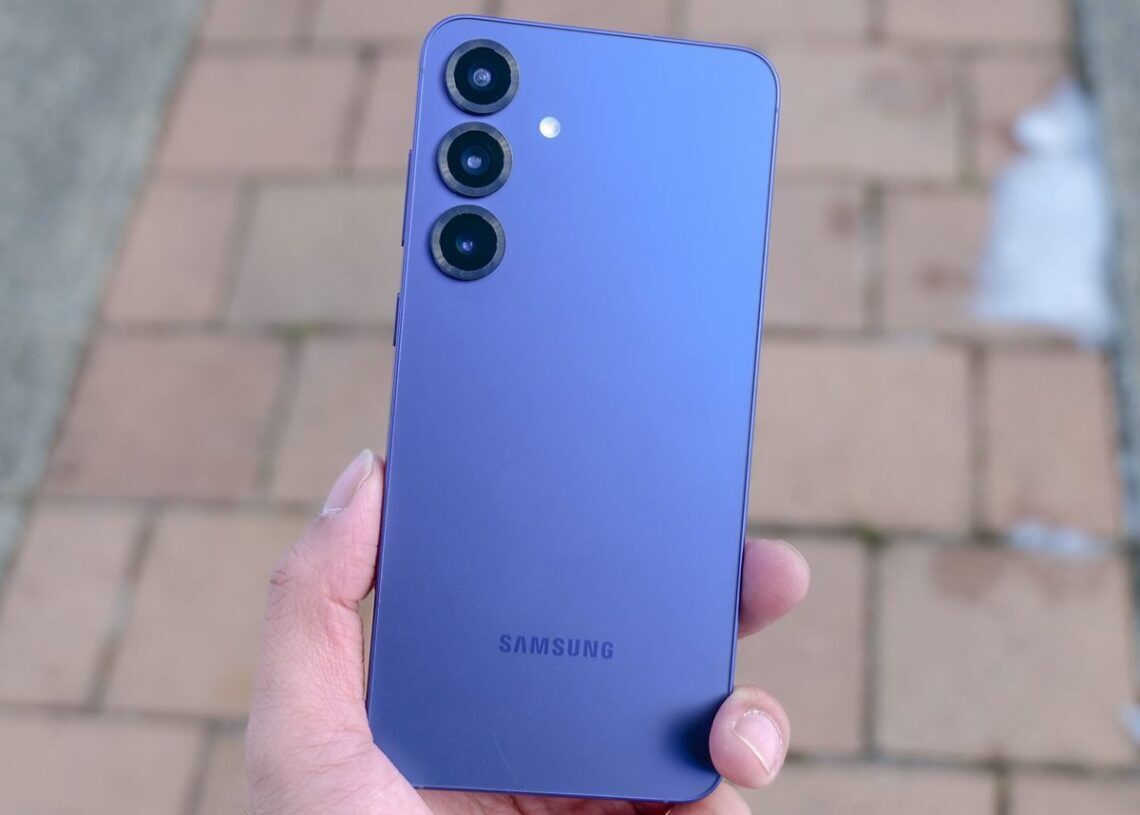

Samsung Electronics recently released its Q2 financial report, outlining the performance of its various divisions and hinting at future product developments, including XR and TriFold devices slated for the second half of 2025.
The Mobile eXperience (MX) and Networks businesses reported a consolidated revenue of KRW 29.2 trillion and an operating profit of KRW 3.1 trillion. While smartphone shipments saw a decrease compared to Q1, the MX division experienced higher revenue and operating profit compared to Q2 of the previous year. Samsung attributes this year-on-year growth to robust sales of the Galaxy S25 series, Galaxy A series, and Galaxy tablets, maintaining “solid double-digit profitability.”
Looking ahead to the second half of the year, Samsung plans to prioritize its flagship products, focusing on new foldable devices, the S25 series, and the integration of AI capabilities into its more affordable A-series smartphones. The company also intends to expand AI functionalities across its tablet and wearable product lines.


Notably, Samsung revealed plans to broaden its Galaxy ecosystem in the second half of 2025 with the introduction of new form factors, including XR devices and “TriFold devices,” seemingly confirming the rumored Galaxy Z TriFold name.
Samsung LSI is actively working on enhancing its Exynos processors to ensure their inclusion in the 2026 flagship mobile lineups of a “major customer,” widely speculated to be Samsung’s own mobile division. The Foundry Business will increase the production of mobile chipsets using its 2nm GAA node, which is expected to be the Exynos 2600.
The Device Solutions (DS) division, encompassing the memory and foundry businesses, contributed KRW 27.9 trillion in revenue and KRW 0.4 trillion in operating profit. This division is second in size only to the MX division. Overall, Samsung Electronics posted KRW 74.6 trillion in revenue and KRW 4.7 trillion in operating profit for the quarter.
Within the memory business, sales of HBM3E for server applications and high-density DDR5 modules increased. The resolution of datacenter project delays led to higher SSD sales and a reduction in NAND inventory. However, the company incurred a one-time charge due to an inventory value adjustment. The DS division was also affected by export restrictions related to China in the non-memory segment.
The Foundry Business also faced the impact of US export restrictions on advanced AI chips to China, resulting in an inventory value adjustment.
Samsung Display reported KRW 6.4 trillion in revenue and KRW 0.5 trillion in operating profit. Revenue growth was driven by strong sales of new smartphone displays to major customers, along with increased sales of IT and automotive displays. The company noted continuous growth in sales of QD-OLED monitor panels, fueled by strong demand from the gaming market. Samsung plans to strengthen its QD-OLED panel product line to further accelerate growth.