
WhatsApp is officially introducing advertisements to its platform, ending years of speculation. The Meta-owned messaging service announced the move as part of a broader strategy to monetize the app and provide new avenues for businesses to connect with users.
The announcement details changes coming to the Updates tab within WhatsApp, highlighting three key features: Channel subscriptions, Promoted Channels, and Status Ads. These additions are designed to help administrators, organizations, and businesses expand their reach on the platform.
Channel subscriptions will allow users to support their preferred WhatsApp Channels through monthly fees, granting access to exclusive content and updates. This feature aims to provide a direct revenue stream for Channel creators.

Promoted Channels will enable administrators to increase the visibility of their channels, helping users discover new content within the WhatsApp directory. This will provide a competitive edge for channels seeking to grow their audience.
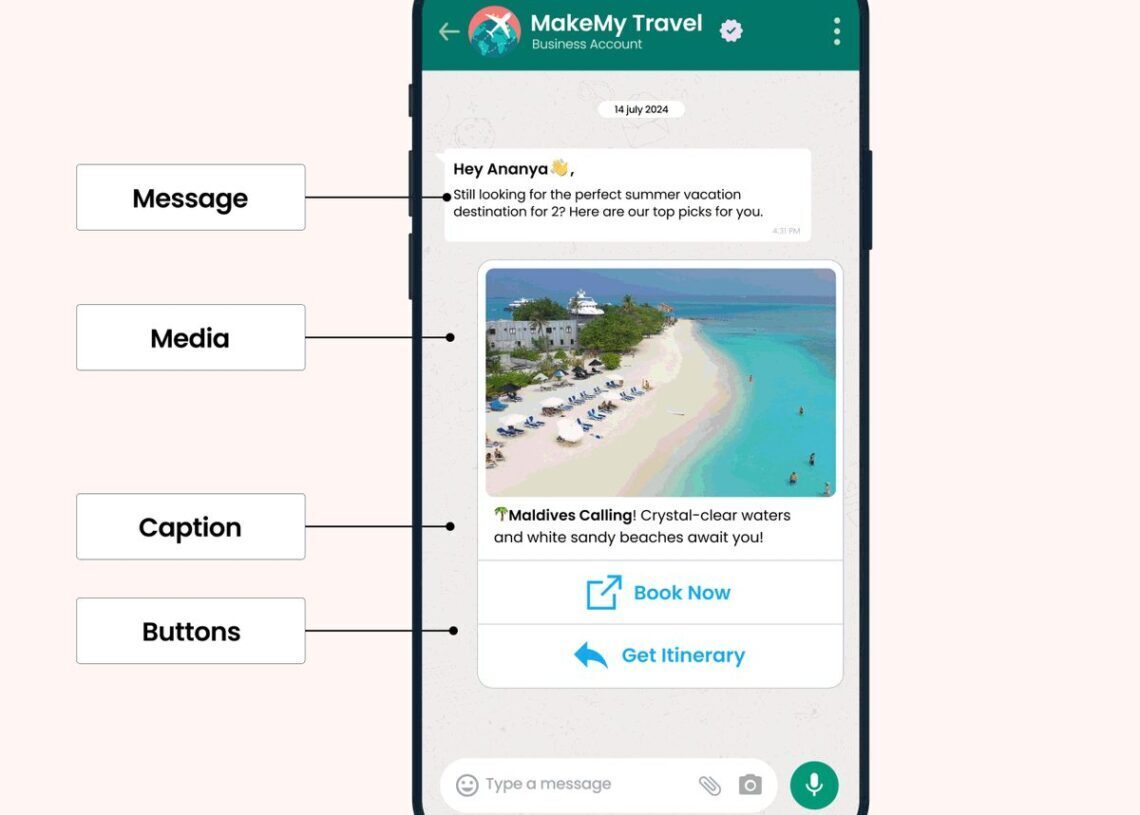
The most significant change is the introduction of advertisements within the Status section of the Updates tab. These ads will allow users to discover new businesses and products, initiating conversations about the advertised services. WhatsApp emphasizes that these ads will only appear in the Updates tab, ensuring that personal chats remain ad-free.
The move towards advertising on WhatsApp has been anticipated since 2018, when Chris Daniels, former Vice President of WhatsApp, identified ads as the “primary monetization mode for the company.” Will Cathcart, the current head of WhatsApp, reaffirmed the continued development of ads a few years ago.
WhatsApp has stated that ads within Status and Channels will be personalized using limited information, including country, language, followed Channels, and ad interaction. Additionally, ad preferences and information from other Meta accounts connected to the Accounts Centre will be utilized.
The company emphasizes that it will not share user phone numbers with advertisers. Personal messages, calls, and groups will not be used to personalize advertisements, ensuring user privacy remains a priority.