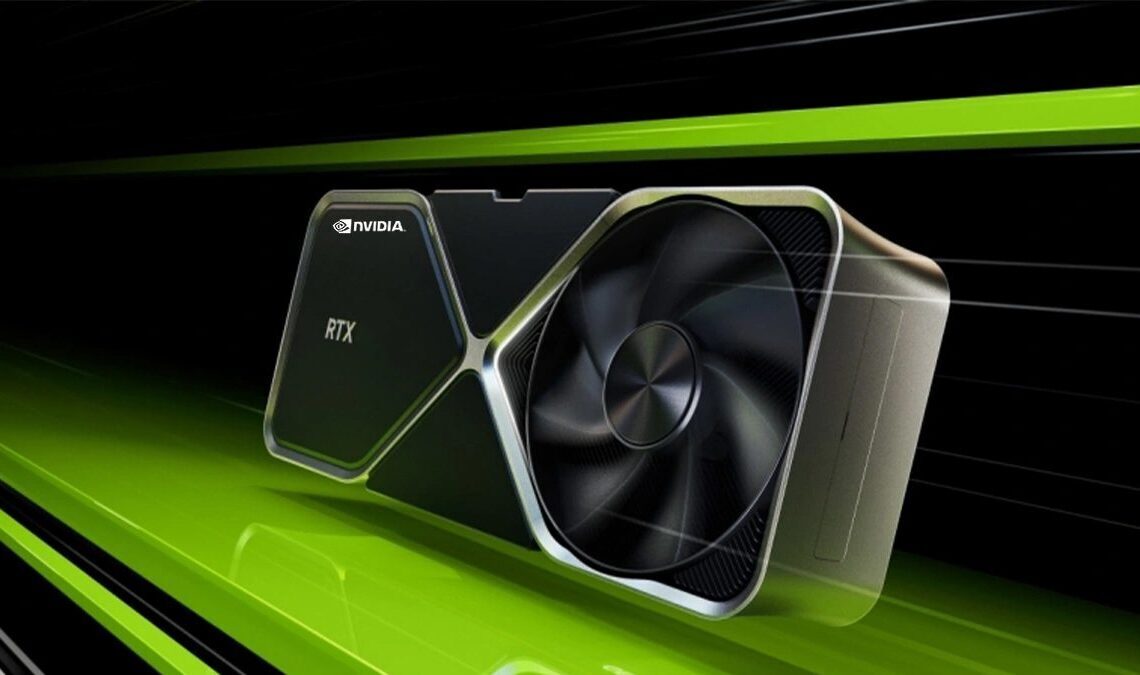

Nvidia’s RTX 50 graphics card launch has been plagued with issues, leaving some users wondering if they received the product they paid for. From limited stock despite production shutdowns, to driver problems, melting power cables, and even hardware defects, the RTX 50 series has faced numerous challenges.
Power cable problems
The RTX 4090 had power connector issues initially, which Nvidia addressed. However, similar problems have resurfaced with the RTX 5090 and some 5080 models. According to the original report, these cards are experiencing “melted or damaged power connectors, and even damaged power supplies and graphics cards,” catching many by surprise.
While third-party power cables are often suspected, user error and insufficient airflow could also contribute to these issues. To mitigate these risks, it’s crucial to use only first-party cables and ensure proper airflow around the GPU and its power connectors, avoiding any kinks or restrictions.


BIOS and driver issues
Many RTX 50 users have reported encountering “strange black screen issues” since the cards’ launch. To address this, Nvidia has released updated drivers and BIOS updates intended to resolve the problem. However, the fix hasn’t worked for everyone.
The suggested approach involves updating the card and its drivers to the latest versions. However, users are advised to consult with other gamers to identify potentially more stable older drivers or BIOS versions to roll back to temporarily. Once Nvidia resolves the issues, users can then update to the latest releases.
Missing ROPs
A particularly unusual problem affecting the RTX 50 generation is missing hardware, specifically Render Output Units (ROPs). According to the report, “more than 0.5% of all cards sold have been found to have missing hardware, specifically ROPs.” These units are crucial for accelerating specific GPU functions and are essential for overall performance. Each affected card is missing eight ROPs, which can represent “close t0 10% of the total.”
The impact on performance can vary, with some third-party sources indicating a decrease of “between one percent and 11 percent.” Users can check for missing ROPs using specific steps. Those affected should contact their graphics card’s manufacturer such as Nvidia or a board partner like Zotac for “either a refund or return and replace.”
Given the current situation, it might be wiser to request a refund and explore alternative options, such as AMD’s upcoming GPUs, as the turnaround time for replacements may be lengthy. If requesting a replacement, it’s essential to thoroughly test the new card to ensure it’s not similarly affected.
Older game support
Nvidia has deprecated 32-bit PhysX support in its new generation of cards. As stated in the source, “You can get around this by installing a secondary PhysX-supporting GPU, though. It’s not a cheap fix, but if you really want to play those old classics on your new card, doing so with another GPU to help is the best way forward for now.”