
Epic Games has been ordered by the Federal Trade Commission (FTC) to pay over $72 million in refunds to approximately 629,000 customers due to allegations of unlawful billing practices. Each affected player will receive around $114 if they submitted a successful claim. This payment follows a 2022 settlement in which the FTC accused Epic Games of utilizing deceptive design strategies, commonly referred to as “dark patterns,” to compel users into making unintended purchases.
FTC orders Epic Games to refund Fortnite players
The FTC’s announcement details how the payments will be distributed, with funds being sent via checks and PayPal. The initial round of refunds is set to be released on Monday, but the agency noted that additional payments will follow at an unspecified future date. Recipients of the PayPal payments will need to redeem their funds within 30 days, while those receiving checks must cash them within 90 days. For any queries regarding the refunds, the FTC has provided contact information for a designated refund administrator.
The backdrop to these refunds stems from a $520 million settlement in 2022, where Epic Games faced allegations that it violated the Children’s Online Privacy Protection Act. At that time, the agency also highlighted the deceptive practices employed by the game, which it claimed misled players into incurring unplanned expenses. This current payout specifically relates to individuals who made accidental purchases as a result of these practices.



How to get your share?
The FTC has stated that this payout marks the largest ever refund amount in a gaming case, underscoring the seriousness of the claims against Epic Games. Approximately half of the initial refunds will be disbursed through PayPal, while the remainder will come via checks sent directly to customers. The average payment of around $114 reflects the costs incurred by players who were misled into making unauthorized transactions.
In detailing the nature of these deceptive practices, the FTC pointed to specific design flaws within Fortnite that contributed to unintentional purchases. For instance, users often found themselves purchasing items due to an “inconsistent and confusing button configuration.” Transitioning the game from sleep mode could also inadvertently trigger charges, with some users incurring costs simply by pressing adjacent buttons while attempting to preview in-game items.
FTC Chair Lina M. Khan emphasized the agency’s commitment to protecting consumers, particularly minors, from deceptive online practices. She reiterated that these actions signify a crackdown on businesses employing such unlawful behavior. As investigations into Epic Games’ billing practices continue, the FTC aims to establish clearer boundaries regarding how gaming companies engage with their customers financially.
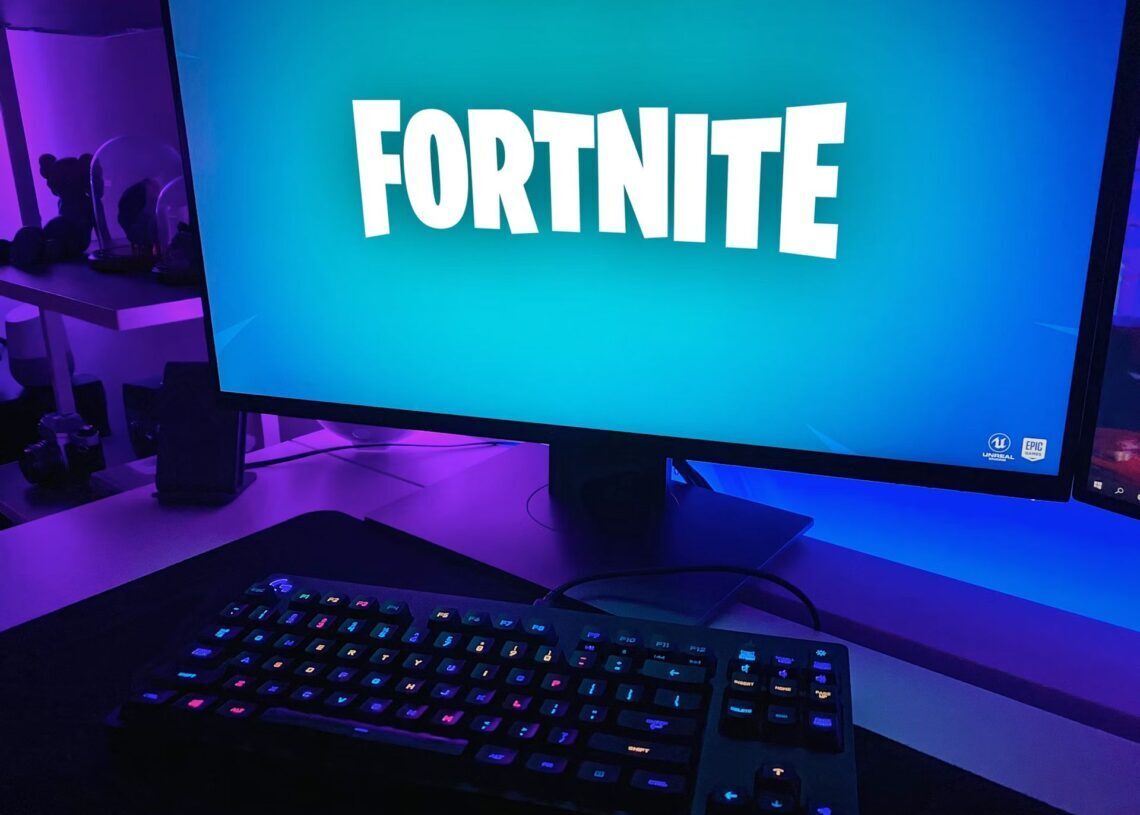
Featured image credit: Vlad Gorshkov/Unsplash