
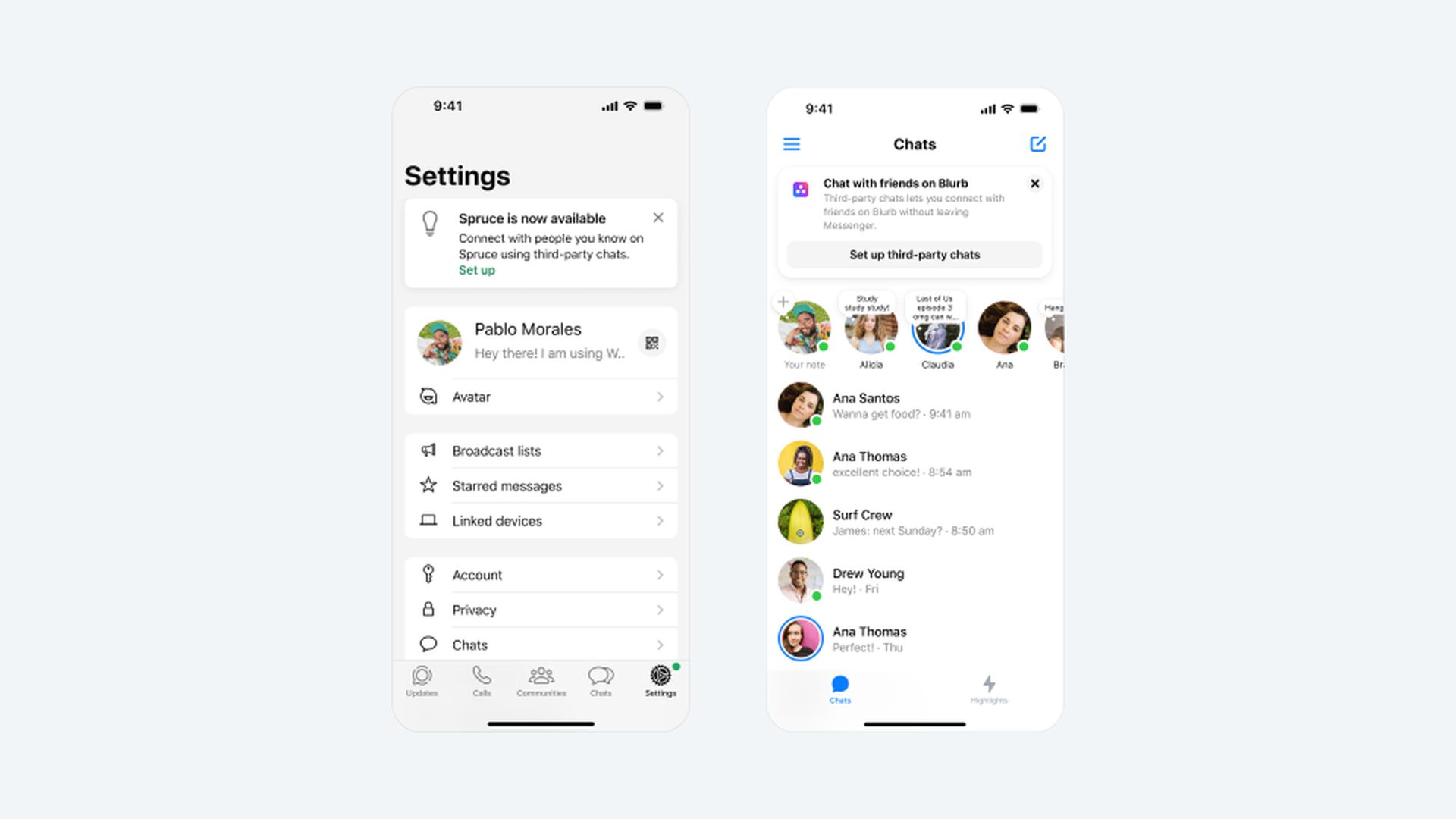
WhatsApp is close to an important transformation that has the potential to alter how individuals in the European Union handle their messages. Meta, the parent company of WhatsApp and Messenger, has verified that shortly, users can send messages across WhatsApp and other external applications. This action is a direct consequence of recent regulations, to improve the seamless collaboration between various messaging platforms.
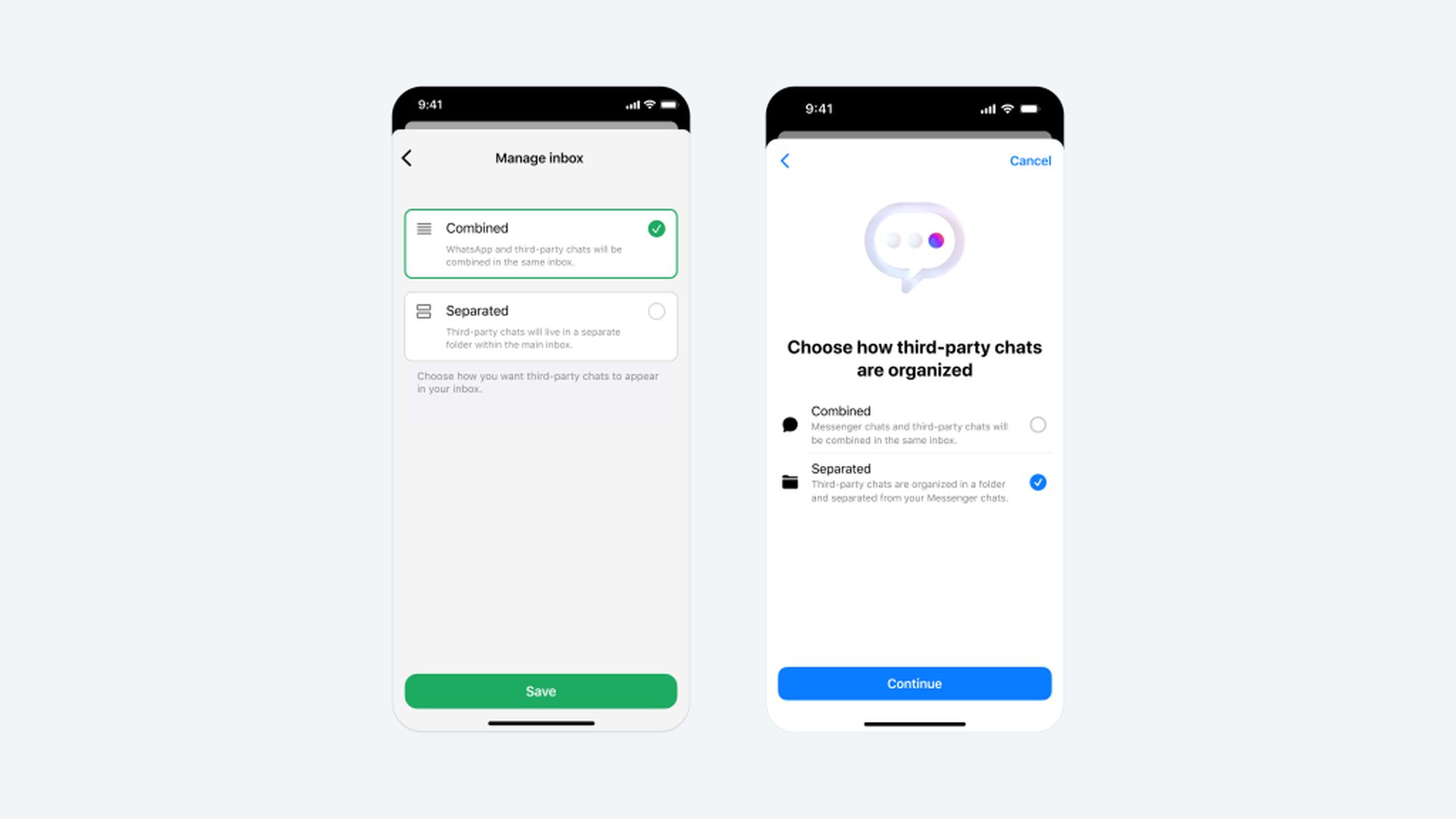
For EU-based users, this could mean having messages from various platforms show up in one place — a major update to the usual app-specific inboxes. Users will even have the option to keep their WhatsApp and Messenger chats separate from third-party messages if they prefer. This change, Meta says, isn’t just about basic messaging but will include more advanced features.
WhatsApp brings rich features to cross-app messaging
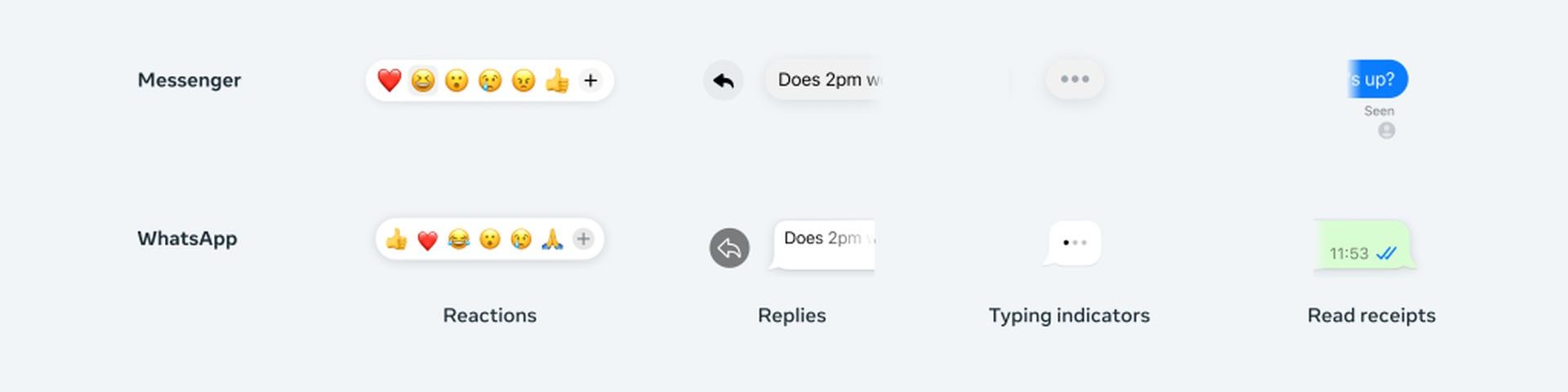
What makes this update stand out is how Meta plans to enhance these cross-app communications. Users can expect more than just text exchanges. WhatsApp and Messenger will integrate features like message reactions, typing indicators, read receipts, and the ability to directly reply to specific messages, even when chatting with people using other apps.


Next year, Meta also plans to introduce group messaging that includes participants from third-party apps. This feature may broaden group conversations beyond just WhatsApp or Messenger users, offering flexibility across platforms. Video and voice calls are also set to become interoperable by 2027, though this feature will only be available for EU users.
Why the EU is driving these changes
Meta’s push for interoperable messaging is driven by the EU’s Digital Markets Act (DMA). This regulation identifies Meta as a “digital gatekeeper,” which comes with the responsibility to ensure its messaging apps can connect with others, like iMessage, Telegram, and Google Messages. While the goal is to open up communication, there’s still a need for secure messaging protocols.
Meta plans to use the Signal Protocol, a secure encryption technology, for these cross-platform interactions. Other companies wanting to connect their apps to WhatsApp and Messenger will need to adopt this protocol, which Meta has agreed to share upon request.
While there are challenges to overcome, the introduction of interoperable messaging could mark a turning point in how users communicate across platforms, at least for those in the European Union.
Featured image credit: Dragana_Gordic / Freepik