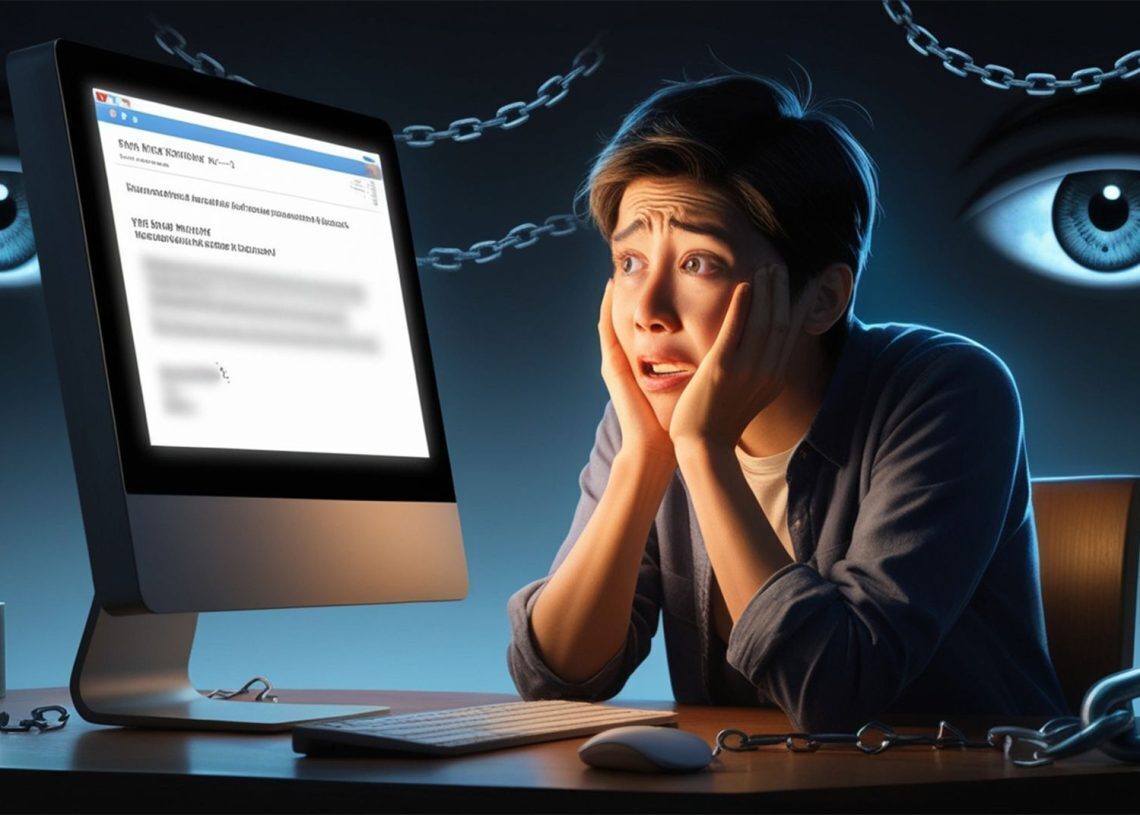

A new variant of sextortion scams has emerged in recent weeks, using a highly personal and emotionally charged tactic: accusing individuals of cheating on their partners. In this alarming game of fears and relationships, scammers send emails claiming to be evidence of infidelity using real names, including those not commonly shared on the internet. The victim is also sent a link to the bait “proof”, promising to expose the alleged partner if they don’t click.
The sextortion scam targets both wives and husbands, adding an extra layer of distress for those receiving these messages. While sex blackmail scams are nothing new, this version has caused new concerns as it includes personal information such as maiden names, middle names, and even pet names. With numerous reports coming from Reddit, many buyers have reported their experiences online.


The scale of the sextortion scam is frightening
Sextortion scams first started to appear in 2018. Of course, there were some attempts by counterfeiters with letters before the Industrial Revolution, but we need examples from today to turn it into a business and make it globally widespread. Advances in technology are creating opportunities for scammers to profit significantly. Typically, these schemes center around an email alleging that the receiver’s computer was hacked and the hacker now possesses videos or images. Victims are requested to pay a ransom, typically in Bitcoin, in return for keeping this material confidential. Initial iterations of these fraudulent schemes proved to be highly profitable, as certain accounts indicated scammers could earn over $50,000 within a single week.
Fraudsters are using increasingly sophisticated tactics. Variations of the scam include shooter threats, bomb warnings, and ransomware installations. The issue of the ‘cheating spouse’ is a relatively new development that first emerged around three weeks ago and has already deeply unsettled many people.
One user shared their experience on Reddit, describing how the email claimed to have “proof” of their spouse’s infidelity. The email even included their rarely-used second last name, raising suspicions about how this personal information was obtained. In some cases, it seems that this data may have come from wedding planning websites, such as The Knot, though no data breach has been confirmed. The scamming emails have been sent from domains such as 3bigs.com leading many to question how scammers are acquiring this detailed information.
The emotional impact of sextortion scams that target trust
The personal and emotional nature of the scam is what sets it apart from other phishing attempts. Not only are recipients threatened with false accusations of adult website activity, but their trust in loved ones is also manipulated. While some immediately recognize the emails as a scam and delete them, others are anxious and unsure what to believe.
Sextortion scams claim to steal data from a spouse’s device, including emails, social media accounts, contact lists, and information from dating apps. In one case, a user reported that the scam email referred to his dog’s name, Mr. Wiggles, which was only shared on a wedding planning site.
Recognizing and avoiding sextortion scams
Though sextortion scams can be deeply distressing, there are clear steps individuals can take to protect themselves:
- The first rule is never to engage with the scammer. Replying to the email or following the links they provide can lead to further targeting.
- It’s also important to report the scam to authorities. In the UK, individuals can forward suspicious emails to the National Cyber Security Centre’s (NCSC) reporting service, SERS ([email protected]), which investigates phishing scams and takes action where possible.
- Phishers rely on victims reacting out of fear or panic, so the best response is to remain calm and avoid giving them what they want: engagement.
- People tempted to pay the ransom should reconsider. Paying doesn’t solve the problem—instead, it signals to scammers that you are a willing target, potentially increasing your risk of being scammed again.
- For those who have already paid, reporting the incident to local law enforcement is crucial.
In the UK, this can be done by calling 101. Seeking emotional support is also important, as these scams can take a psychological toll. Charities such as Victim Support are available to help.
Sextortion Scammer Came back
byu/Fair-Interest-2332 inScamNumbers
Take precautions before getting a sextortion scam email
To stay protected, it is crucial to remain observant and up-to-date as sextortion scams continue to develop. Safeguarding personal information is the initial measure to prevent becoming a target of these phishing attacks. Be careful when sharing personal information online to avoid scammers. Websites like Have I Been Pwned can help you check if your data has been exposed to a breach. Cyber Aware provides tips on making strong passwords and protecting your online accounts.
These scams are scary, but they show why it’s important to be careful online. Fraudsters take advantage of emotional responses. Remain calm, notify the scam, and implement preemptive actions to prevent being targeted. If you get a fraudulent email, avoid clicking on it, do not interact with it, and report it.
Keeping oneself informed about these fraudulent schemes is crucial to avoid falling victim to them. Being aware and taking action is the most effective defense.
Featured image credit: Furkan Demirkaya / Leonardo AI