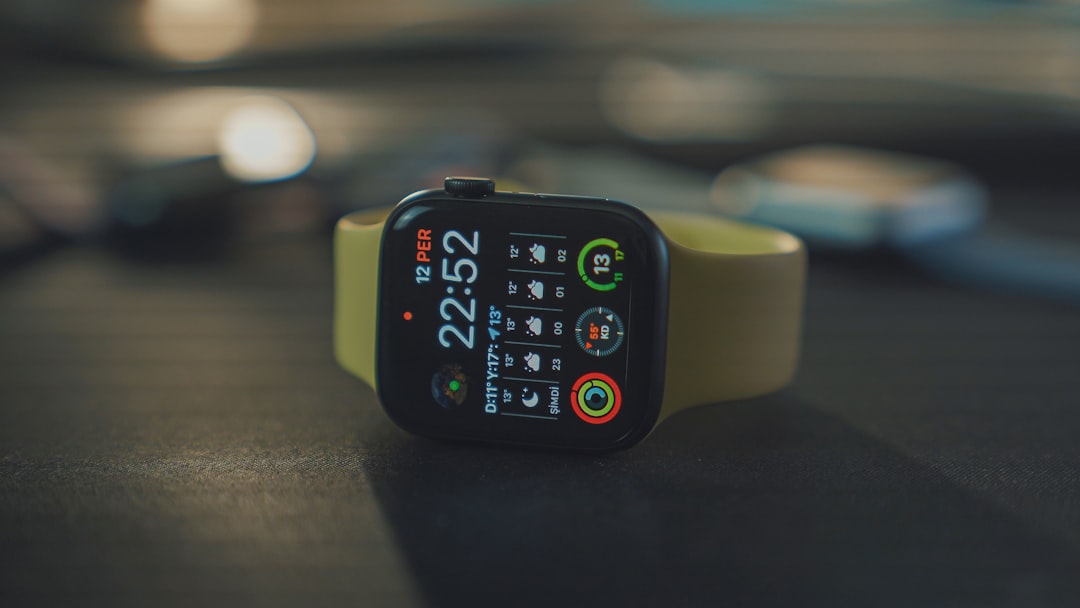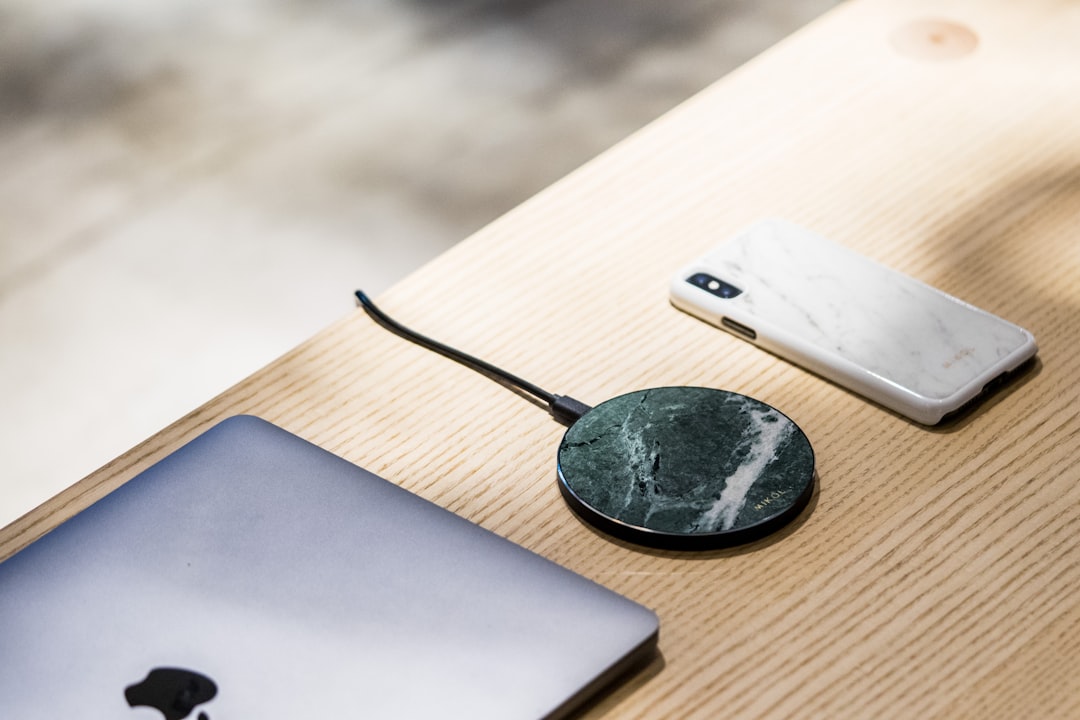

Wireless charging has gained widespread adoption among major tech companies like Apple, Samsung, and Google, but it has significant downsides related to energy efficiency. Charging devices wirelessly generally requires more energy than using a wired connection, resulting in wasted power.
A 2020 study by OneZero found that charging a smartphone from 0% to 100% with a wired charger consumes approximately 15 watt-hours (Wh), whereas the same device requires about 21 Wh when charged wirelessly, marking a 40% increase in energy usage. Further testing by iFixit in 2024 indicated that Apple’s MagSafe charger uses roughly 36% more power than traditional wired chargers, highlighting the energy inefficiencies associated with wireless technology.
Misalignment on a wireless charging pad can drastically reduce efficiency, potentially halving the power transfer. Wireless chargers also generate excess heat during operation, which signifies wasted energy. These factors combine to produce a notable daily difference of around 6 Wh between wired and wireless charging, accumulating to approximately 5.5 kilowatt-hours (kWh) for wired charging annually versus about 7.6 kWh for wireless.


According to the Wireless Power Consortium and the Deloitte Mobile Consumer Survey UK, 30% to 66% of smartphone owners utilize wireless charging pads at home. Given the estimated 7.6 billion smartphones globally, this suggests an annual power waste of about 4,830 gigawatt-hours (GWh) if 30% of these devices are charged wirelessly.
Wireless charging works through electromagnetic induction, which is inherently less efficient than direct wired charging. Energy loss can occur during the conversion from AC to DC, with an estimated 5% to 10% lost in this process, compounded by an additional 20% to 30% loss due to heat dissipation from the charger. The creation of an air gap between the charger and the phone also contributes to this inefficiency, and the presence of phone cases can further exacerbate energy loss.
Aside from energy inefficiencies, there are concerns regarding the safety of wireless charging. Excess heat from chargers can lead to battery degradation over time. Modern smartphones incorporate safety mechanisms to mitigate overheating risks, which may throttle the charging speed if temperatures reach around 45°C (113°F). Users are advised to ensure proper ventilation while charging and avoid placing chargers beneath objects like blankets or pillows.
Some inexpensive, unbranded wireless chargers may lack necessary safety features, raising hazards, especially if metal objects are placed on the charger. Additionally, powerful wireless chargers may interfere with medical devices, such as pacemakers, which can be affected by the magnetic fields they produce.
Environmentally, wireless charging’s higher energy usage contributes to a greater ecological footprint compared to wired alternatives, and the potential for lithium-ion battery degradation could lead to more frequent phone replacements. While advancements in coil design and industry standards like MagSafe and Qi2 are making wireless charging more efficient, it remains unlikely to reach the efficiency levels of wired charging.
Wired charging has its drawbacks, such as cable degradation and wear on charging ports. However, users continue to prefer the convenience of wireless pads for recharging their smartphones.