Project Solara, a new software platform aiming to create agent-first experiences in computing, was unveiled as a response to evolving user requirements for computing devices. Developed by the Applied Sciences Group, the platform anticipates a diverse ecosystem of devices tailored to specific tasks, ultimately enhancing user interaction with technology. This approach leverages advancements in AI and processing power to enable the construction of specialized computers without the full costs historically associated with hardware and software complexity.
“We are excited to give you an early look at where we believe computing is headed, and what the next computer may look like,” said a representative of the Applied Sciences Group. The platform emphasizes a chip-to-cloud model designed for agent-first experiences, significantly changing how intelligence operates across various devices and workflows.
Project Solara distinguishes itself by utilizing agents as the new unit of programming. At Build 2023, Microsoft identified three application structures: AI as a supportive presence beside applications, AI integrated within applications, and AI orchestrating across multiple applications. This flexibility defines the interaction models of Project Solara, enabling seamless communication and task execution across devices.

The initiative introduces several key features, including a comprehensive operating system, the Microsoft Device Ecosystem Platform (MDEP), which is noted for its enterprise readiness regarding privacy and security. Furthermore, the Agent Shell within the platform allows for dynamic loading of multiple agents tailored to user needs. Microsoft Intune facilitates device management, while biometric security is addressed through integration of Hello for Business, enhancing access to secure services.
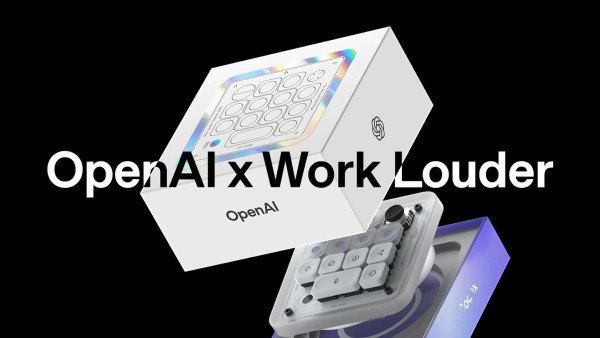
Already in development and concept testing are two device designs: a portable badge concept and a stationary desk concept. The badge is intended for frontline workers, featuring a touchscreen, 5G connectivity, and voice assistant capabilities. Meanwhile, the desk concept includes face authentication, a touchscreen display, and serves as a functioning cloud PC when paired with an external display.
Collaboration with silicon partners MediaTek and Qualcomm is central to Project Solara’s deployment across various form factors. Dino Bekis of Qualcomm emphasized the project’s potential, stating, “Microsoft’s Project Solara is an important step in advancing agent-first experiences across a wide range of devices.”
Real-world piloting of Project Solara devices is set to begin with industry leaders including AccuWeather, Best Buy, CVS Health, and Levi’s. Microsoft 365 will incorporate new agents, such as Copilot and Researcher, to boost productivity and user assistance within established workflows. Developers are encouraged to utilize tools like Microsoft 365 Agents SDK to create and customize agents for Project Solara devices.
The overarching goal of Project Solara is to fundamentally redefine computing interactions. By allowing agents to operate in specialized contexts, the initiative seeks not only to enhance productivity but also to spur innovation and creativity in various professional environments. “With the drop in specialization costs, innovation accelerates,” concluded the project’s representative, indicating a clear path toward the future of agent-first computing.