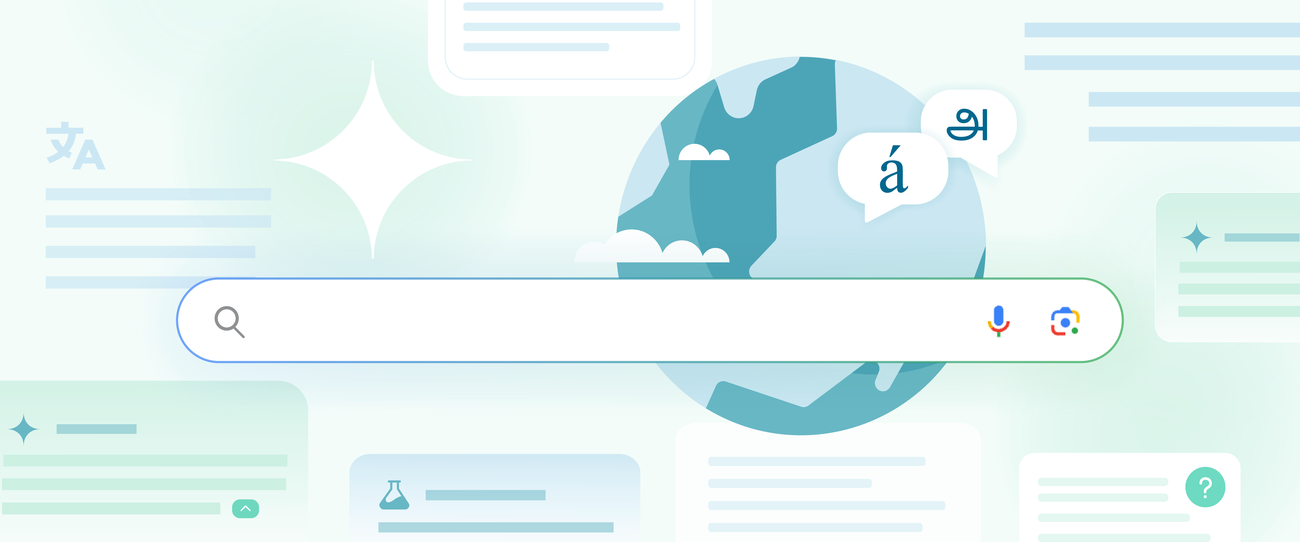

Most search engines now feature AI-generated overviews by default, raising concerns about accuracy and diminishing click-through traffic. Although tests indicate that Google’s AI overviews are largely reliable, the high volume of queries leads to millions of inaccuracies daily.
Approximately one in ten Google AI search overviews reportedly contains false information, according to The New York Times. Google processes around 5 trillion queries annually, theoretically exposing users to over 57 million inaccurate answers each hour—close to 1 million every minute.
These statistics emerge from an analysis by AI startup Oumi, which examined 4,326 searches to evaluate the accuracy of Google’s AI assistant, Gemini. Oumi reported that Gemini version 2 delivered accurate overviews 85 percent of the time in October. An improved version, Gemini 3, raised accuracy to 91 percent by February.


However, Oumi’s analysis relies on AI tools, which may also introduce errors. Furthermore, Google sometimes produces different AI overviews for the same query when it is repeated seconds apart.
A Google spokesperson criticized the Oumi testing, labeling it flawed and unrepresentative of actual search behaviors. Google’s internal assessments indicate that Gemini 3 hallucinates 28 percent of the time when functioning independently from Google Search.
There are also significant issues with sourcing. Google aims to back its AI overviews with relevant links; however, many of these links fail to support Gemini’s claims. Discrepancies between AI overviews and their cited sources increased from 37 percent for Gemini 2 to 56 percent for Gemini 3 post-February update.
Researchers highlighted the vulnerability of AI overviews to manipulation; one instance involved a BBC journalist whose false claims were repeated by Google the following day. Both Google and other AI firms recognize the technology’s unreliable nature in their disclaimers.