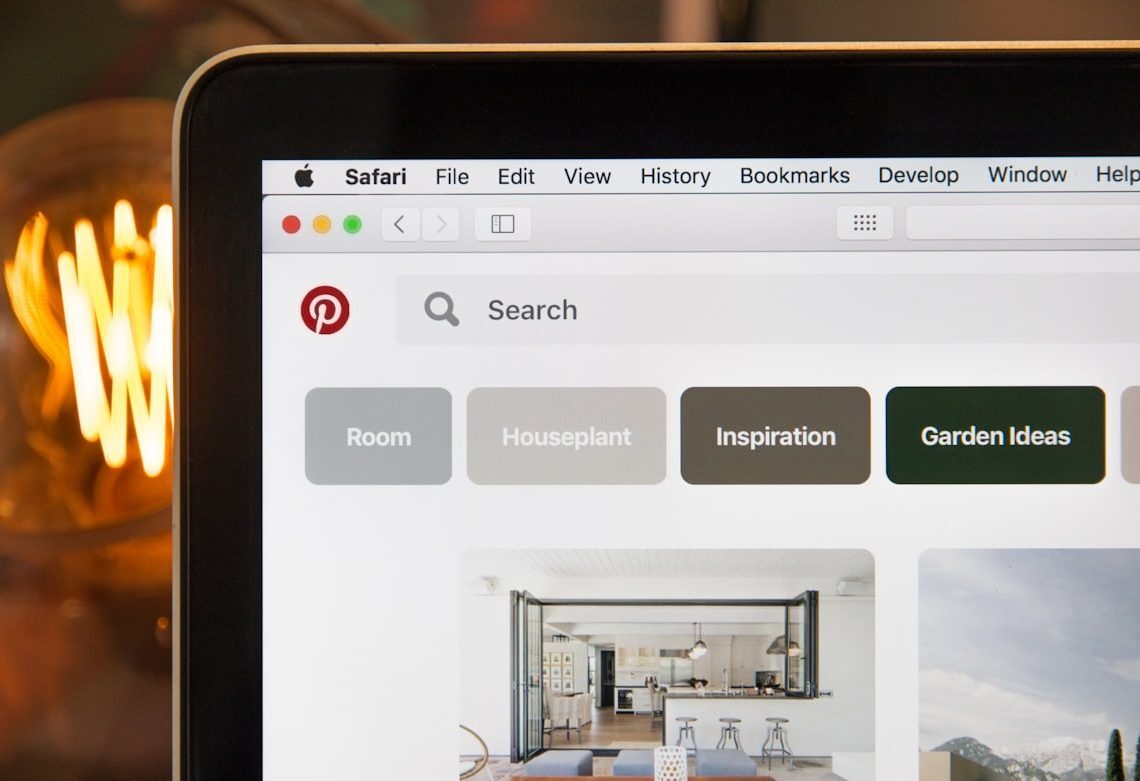

Creative professionals are increasingly moving away from traditional platforms like Pinterest, driven by growing frustration with algorithm-heavy feeds, AI-generated content saturation, and declining content quality. In response, a new set of tools is gaining traction by offering more control, cleaner interfaces, and more intentional discovery.
Best Pinterest alternatives
These platforms are not direct replacements in a one-to-one sense. Each reflects a different approach to inspiration, from structured archives to collaborative idea spaces. What connects them is a shift away from passive scrolling toward active curation.
Cosmos
Cosmos positions itself as a minimalist, ad-free environment focused on high-quality imagery. Instead of boards, it uses “Clusters” to group content, creating a more fluid visual organization. It also includes an option to filter AI-generated content, although this is not enabled by default, which limits its effectiveness unless adjusted.



Are.na
Are.na moves beyond visual inspiration into idea structuring. Users create channels that function as interconnected collections of references, links, and thoughts. The platform encourages exploration through relationships between content rather than linear browsing, though its free tier limits the number of items.
Milanote
Milanote operates as a flexible visual workspace that blends moodboarding with project planning. It allows users to combine images, notes, and links in a single canvas, making it useful not just for collecting inspiration but for shaping it into direction.
Cara App
Cara App differentiates itself with a strict no-AI stance and a chronological feed. It prioritizes human-made content and removes algorithmic ranking, appealing to artists who want a clearer signal of authenticity. However, moderation challenges and spam have been noted as ongoing issues.
Flipboard takes a more editorial approach. It allows users to curate content into magazine-style layouts, combining articles and visuals into structured narratives. It is effective for content consumption, though it requires active personalization to become a useful discovery tool.
Savee
Savee focuses on visual purity. It offers an ad-free, curated experience with an emphasis on design quality. Its discovery tools are limited compared to larger platforms, but features like “More Like This” help users expand on specific visual directions.
Pearltrees
Pearltrees provides a structured system for saving and organizing content across formats. Its web clipper and visual layout make it suitable for building long-term reference libraries, although limitations in the free plan restrict storage and privacy options.
Dribbble
Dribbble remains a central hub for UI and UX design inspiration. It combines portfolio showcasing with community interaction, making it both a discovery tool and a professional network. Its scale is an advantage, but marketplace features and free-tier limits can dilute focus.
Across these platforms, the shift is consistent. Creatives are moving away from environments optimized for engagement and toward systems that support clarity, control, and intent. The value is no longer in endless discovery, but in building a usable, high-quality reference system that feeds real work.