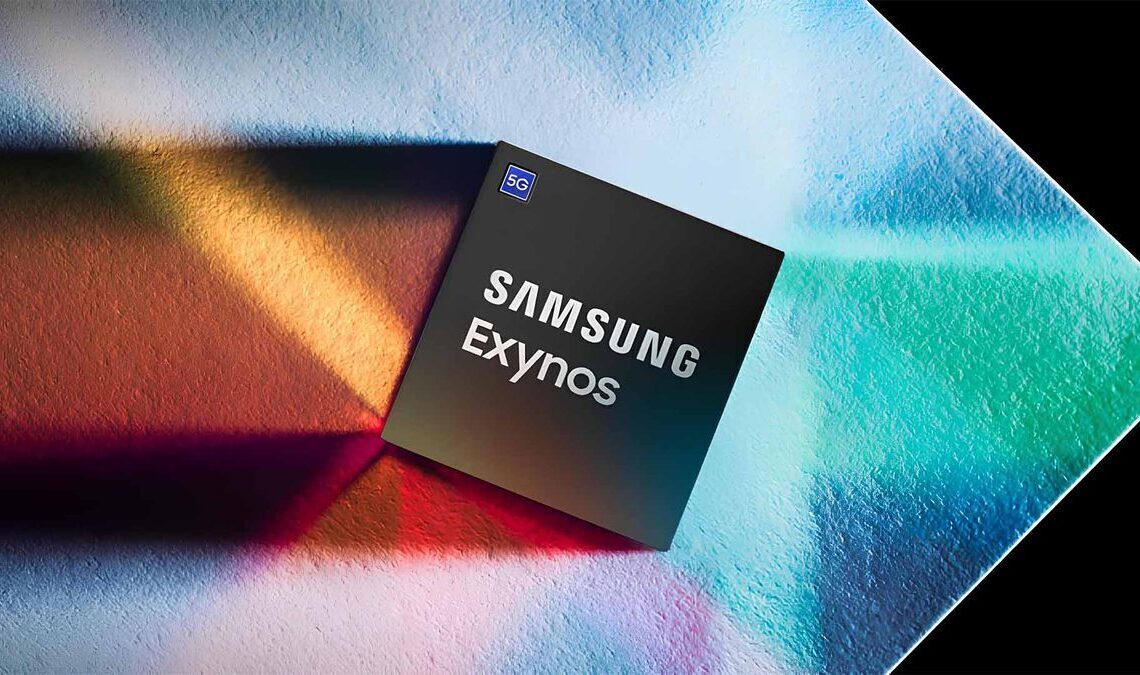

Samsung is reportedly bolstering its Exynos 2600 GPU development efforts by enlisting the expertise of a former Huawei chip specialist. This strategic move, if confirmed, signals Samsung’s ambitious plans to pivot towards in-house graphics processing unit (GPU) implementation for its next-generation Exynos chipsets, a departure from its longstanding reliance on AMD’s Xclipse GPUs.
The Exynos 2600 is poised to be Samsung’s forthcoming flagship chipset, with anticipation building around its potential debut alongside the highly anticipated Galaxy S26 series smartphones. For a considerable period, Samsung has integrated AMD’s Xclipse GPUs into its Exynos processors. However, the latest reports suggest a shift in strategy, indicating Samsung’s desire for greater autonomy and control over its chipset architecture by developing its own proprietary GPUs.
According to a revelation made by the prominent Weibo tipster @FixedFocus, a former chip expert from Huawei is now expected to take the helm of the Samsung Exynos 2600 GPU development team. While the precise details surrounding this alleged recruitment remain undisclosed, the rumor has generated considerable buzz within the tech community, hinting at a potentially transformative period for Samsung’s semiconductor division. Further information regarding this high-profile move is expected to emerge in the coming days as the situation unfolds.



This development is particularly noteworthy given Huawei’s own complex history and current challenges in the chip development landscape. Despite facing severe limitations imposed by US sanctions, which have significantly hindered its access to advanced chipmaking tools and technologies, Huawei has consistently demonstrated remarkable innovation in its chip designs. The company’s Kirin 9010 and 9020 chipsets serve as compelling examples of its impressive capabilities. These chips underscore the inherent potential Huawei possesses and suggest that, had it not been for the external restrictions preventing access to cutting-edge manufacturing resources, the company could have potentially surpassed numerous rival technology firms in the market. The implied transfer of such high-level talent from a company like Huawei, renowned for its engineering prowess despite adversity, could inject invaluable insights and technical acumen into Samsung’s in-house GPU project.
The decision by Samsung to potentially bring in external expertise, especially from a competitor with a strong background in chip design, highlights the immense complexity and competitive nature of developing high-performance GPUs. Moving from a licensed GPU architecture, such as AMD’s Xclipse, to an entirely in-house solution represents a significant undertaking, requiring substantial investment in research, development, and talent acquisition. By reportedly securing the services of a former Huawei expert, Samsung might be seeking to leverage battle-tested experience in overcoming formidable technical hurdles and accelerating its own GPU design cycles.
This strategic shift also reflects a broader industry trend where major smartphone manufacturers are increasingly striving for greater vertical integration in their hardware development. By designing and implementing their own GPUs, companies aim to achieve optimized performance, enhanced power efficiency, and tighter integration between hardware and software, ultimately leading to a more cohesive and differentiated user experience. This approach can also provide a competitive edge by allowing for custom features and optimizations that are not possible with off-the-shelf solutions.
The success of Samsung’s Exynos 2600 with an in-house GPU will be closely watched, as it could redefine the performance benchmarks for future Galaxy flagship devices. The integration of advanced graphics capabilities is crucial for demanding applications, including high-fidelity mobile gaming, complex augmented reality (AR) experiences, and sophisticated AI processing on-device. The reported involvement of a former Huawei expert suggests Samsung is leaving no stone unturned in its quest to achieve a superior and competitive GPU solution, aiming to not only match but potentially exceed the performance of rival chipsets in the market. The coming months are likely to reveal more about this intriguing collaboration and its implications for the future of mobile processing.