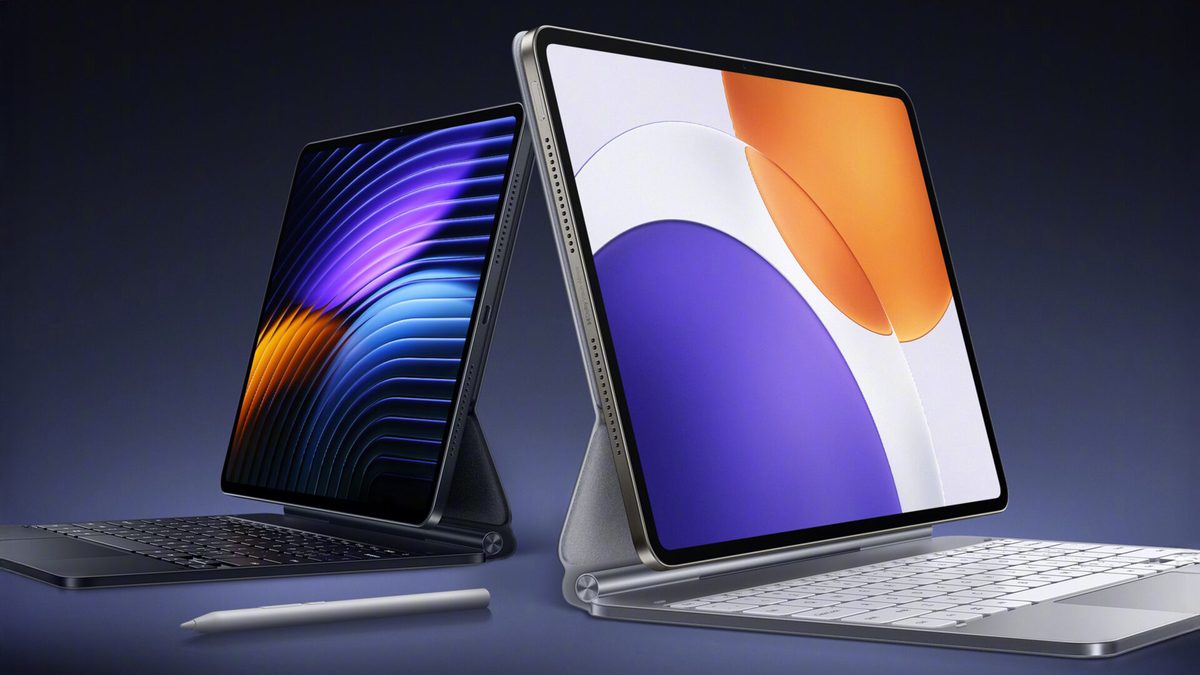

Hot on the heels of its recent major product unveilings, global technology leader Xiaomi appears to be expanding its tablet portfolio with the new Pad 7S Pro. The device’s recent appearance in the Geekbench database confirms its development and offers a glimpse into its core specifications, most notably the inclusion of Xiaomi’s self-developed Xring O1 chipset. This move signals a deepening of the company’s strategic pivot towards proprietary silicon.
The Geekbench listing for a Xiaomi device, identified by the model number 25053RP5CC, reveals a tablet equipped with a formidable 16GB of RAM and running on the yet-to-be-released Android 15. The benchmark results showcase impressive performance metrics, with a single-core score of 2631 and a multi-core score of 8449. These figures are attributed to the powerful 10-core Xring O1 processor, the same custom chipset that debuted last month in the flagship Xiaomi 15S Pro smartphone and the premium Xiaomi Pad 7 Ultra tablet.
Industry analysts are drawing strong parallels between the upcoming Pad 7S Pro and the existing Xiaomi Pad 7 Pro. This speculation is fueled by Xiaomi’s recent strategy of releasing “S” variants of its popular devices, which primarily differ by the inclusion of the in-house Xring O1 chip. The Xiaomi 15S Pro, for example, is largely a counterpart to the Xiaomi 15 Pro, but with the proprietary processor.
Should this pattern hold, the Pad 7S Pro is anticipated to be a version of the Snapdragon-powered Pad 7 Pro, upgraded with the new Xring O1 silicon. While much of the hardware may remain consistent with the Pad 7 Pro, some reports suggest a potential screen size of 12.5 inches for the 7S Pro, a slight increase from the 11.2-inch display of the standard Pro model. For comparison, the larger Pad 7 Ultra boasts a 14-inch screen.
If the Pad 7S Pro inherits the majority of the Pad 7 Pro’s specifications, consumers can expect a high-resolution display with a 2136×3200 pixel count and a fluid 144Hz refresh rate. A peak brightness of 800 nits would ensure excellent visibility in various lighting conditions.
The camera system is also likely to be robust, featuring a 50MP main rear camera complemented by a 2MP depth sensor for enhanced portrait photography. A 32MP front-facing camera is expected to handle video conferencing and selfies. Powering the device would be a substantial 8,850 mAh battery.