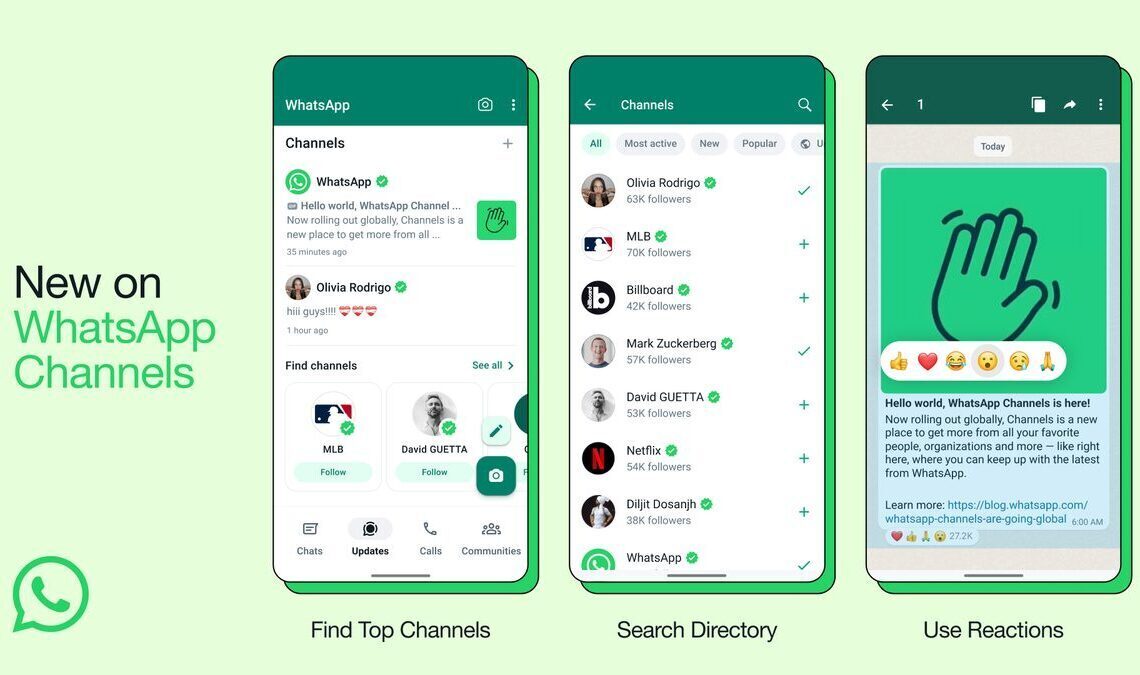

WhatsApp, the widely used messaging platform, announced on June 18, 2025, a significant new feature: “Channel Subscriptions.” This capability is designed to allow creators and businesses to offer exclusive content to paying subscribers, fostering deeper engagement and creating new revenue streams.
The “Channel Subscriptions” feature is currently being rolled out to a select group of Android beta testers. Its presence was first noted in Android beta version 2.25.19.3, indicating its imminent wider release.
At its core, this new functionality enables users to subscribe to their chosen channels for a fee to gain access to premium content. To clearly distinguish these exclusive channels, a diamond icon will be displayed in the top app bar for subscribed channels. This visual cue will immediately inform users that they are accessing paid, exclusive content.
For channel owners, the process of offering exclusive content involves a critical authentication step. They will be required to verify their identities by logging into their Facebook accounts. This measure is intended to enhance security for user payments and transactions on the platform. Following successful identity verification and WhatsApp’s approval, channels can then begin offering exclusive messages, stories, and media to their paying followers.
Users interested in subscribing to a paid channel can do so directly within the WhatsApp application. The process involves selecting a desired plan and proceeding with payment. A key requirement for payment is logging into a Google Play Store account, facilitating the transaction process. Upon successful payment, subscribers gain immediate access to future exclusive content and can also view updates from the previous 30 days. WhatsApp has also confirmed that users will have the flexibility to cancel their subscriptions at any time, providing control over their paid content access.
This new “Channel Subscriptions” feature represents a strategic move by WhatsApp to broaden its utility beyond a mere communication tool, transforming it into a platform that supports content monetization and direct interaction between creators and their audience. It builds upon previous enhancements to the status and channel sections, which were also aimed at benefiting businesses and improving user engagement.