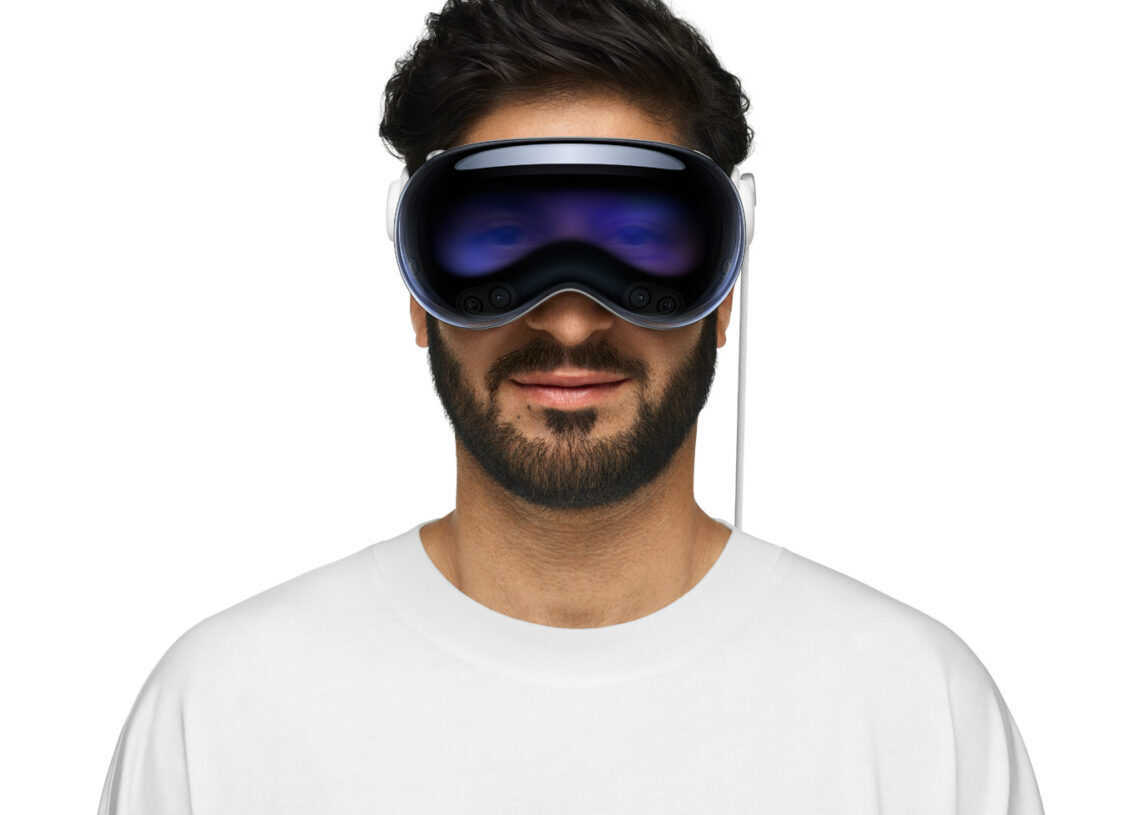

Apple is set to update its Vision Pro headset lineup with two new models, marking a significant step in the company’s spatial computing ambitions.
Apple is preparing to release Vision Pro 2, which is expected to utilize the company’s upcoming M5 chip. This upgrade is anticipated to enhance the device’s performance and improve its battery life. The current Vision Pro model starts at $3,499 for 256 GB of storage in the US, and while Apple has not disclosed exact pricing for Vision Pro 2, the goal is to make it less expensive than its predecessor. The company is also working to address user feedback regarding the headset’s weight, which currently ranges between 600 g and 650 g, depending on the headband setup. To achieve this, Apple engineers are exploring the use of lighter alloys and redesigning the seal and cushion to improve comfort during extended use. The aim is to bring the weight of Vision Pro 2 closer to that of competitors like Meta’s Quest 3, which weighs approximately 515 g.
In addition to Vision Pro 2, Apple is developing a second headset designed specifically for wired connection to a Mac. This model is expected to use a high-bandwidth cable, such as Thunderbolt or a custom connector, to enable low-latency display streaming. Although the current Vision Pro can already extend a Mac screen over Wi-Fi, professionals in fields like surgical planning and flight simulation require consistent performance, which a wired connection can provide. Apple’s enterprise team is positioning this wired model as a niche tool for professional users rather than a consumer device.
The current Vision Pro’s ability to extend a Mac screen over Wi-Fi is seen as a stepping stone for more advanced applications. The wired version aims to offer more consistent performance, catering to the needs of professionals who require reliable and high-quality display streaming.
Apple’s long-term goal remains the development of augmented reality (AR) glasses that can overlay graphics on transparent lenses. CEO Tim Cook has identified this as a top priority, believing it is crucial for Apple’s success in spatial computing. To achieve this, the company is focused on overcoming key challenges, including shrinking the optics and improving light transmission. These advancements are seen as essential steps toward making AR glasses a reality.