
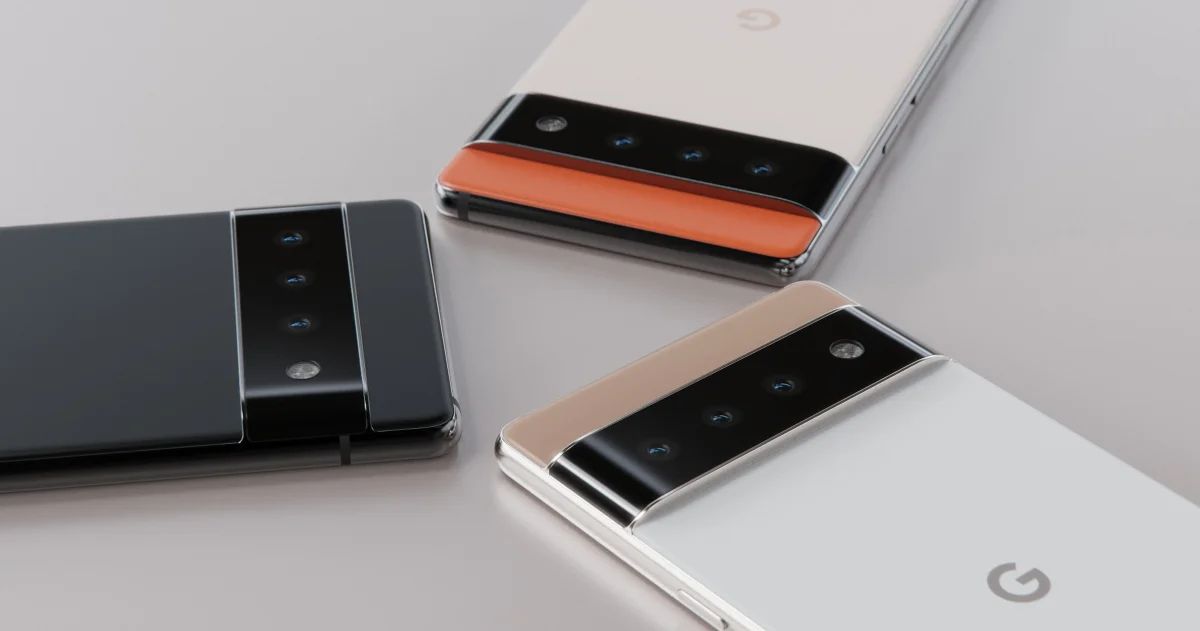

Today we’ill tell you how the new Google Pixel battery optimization works.
Google implements an option to help us take care of the battery in its Pixel mobiles, which will automatically charge it in certain conditions only up to 80%.
Here’s how the new Google Pixel battery optimization works
By now all of you will have swallowed countless articles about battery care for your devices, each one more contradictory and sometimes even difficult to understand.
In any case, there is one aspect on which most manufacturers agree, and that is that to degrade as little as possible any lithium battery we must stay away from the limits, avoiding discharging it to the maximum if we are not going to calibrate it and always recharging it below 100% when we do not need the maximum possible autonomy. And we do not say it ourselves, because this is something we have even seen in electric cars, whose useful capacities are always below the limits to avoid degradation.
In smartphones, some manufacturers have worked better than others in this aspect, with Sony and its Stamina perhaps as a reference in the industry, offering for some time now a battery care option that allows users to stop charging at 80% to preserve its useful life.
We know that the next phone to implement something similar will be the Pixel made by Google, which has quietly received this option at least on some models, starting with the Pixel 3 and also working completely autonomously so that users do not have to move a single finger while our smartphone takes care of its energy accumulator.
Google has transparently implemented an important functionality that will take care of the battery in its Pixel mobiles without user intervention, charging it only up to 80% in certain conditions to avoid degradation.
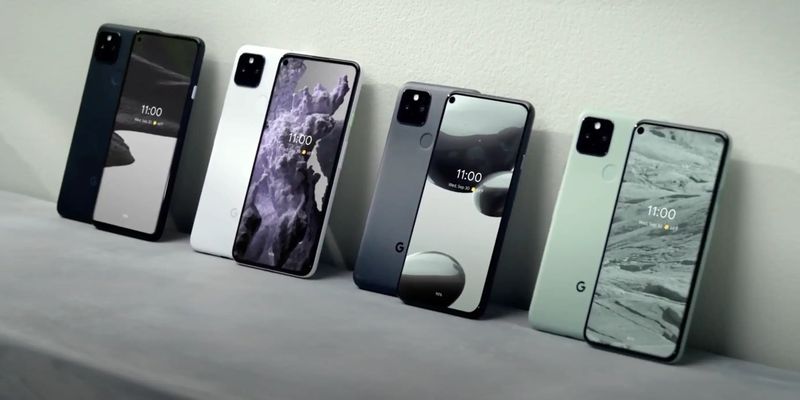
As we have learned, the battery care option developed by Google acts transparently, activating when one of the following conditions is met without user intervention:
- Continuous charging under conditions of high consumption, such as when playing with the smartphone.
- Continuous charging for four days or more.
As you will see, these are two of the moments where a battery degrades the most, which is when charging it during intensive use due to the heat generated, or when keeping it continuously at 100% and connected to the current, causing the smartphone to continuously activate and deactivate the charge as it drops by 1 or 2 percent.
In these two scenarios, the Google Pixel will automatically limit the charge to 80 percent and continue to keep the battery at that capacity, displaying a notification advising that it is “optimizing battery status” in both the Always-On screen and the Battery section of the phone’s settings.
Unfortunately, no selectors have appeared in the settings to enable or disable this feature manually, so if you have your Google Pixel plugged in for four days, you should remember that you will have an 80% charge when you unplug it, and not the expected 100%.
It is worth noting that Google had also announced an adaptive charging feature that modified the power according to the needs, usually handling the alarm information to charge the mobile to the maximum just before waking up, also to preserve battery life. This adaptive charging is not available for all Pixels but only from the Pixel 4 onwards, that’s for sure.


