

TechBriefly
  • Tech
  • Business
  • Crypto
  • Science
  • Geek
  • How to
  • About
    • About TechBriefly
    • Terms and Conditions
    • Privacy Policy
    • Contact Us
    • Languages
      • 中文 (Chinese)
      • Dansk
      • Deutsch
      • Español
      • English
      • Français
      • Nederlands
      • Italiano
      • 日本语 (Japanese)
      • 한국인 (Korean)
      • Norsk
      • Polski
      • Português
      • Pусский (Russian)
      • Suomalainen
      • Svenska
No Result
View All Result
TechBriefly
Home Tech Security
These dating apps tell stalkers your location

These dating apps tell stalkers your location

Eray EliaçıkbyEray Eliaçık
1 August 2024
in Security
Reading Time: 2 mins read
Share on FacebookShare on Twitter

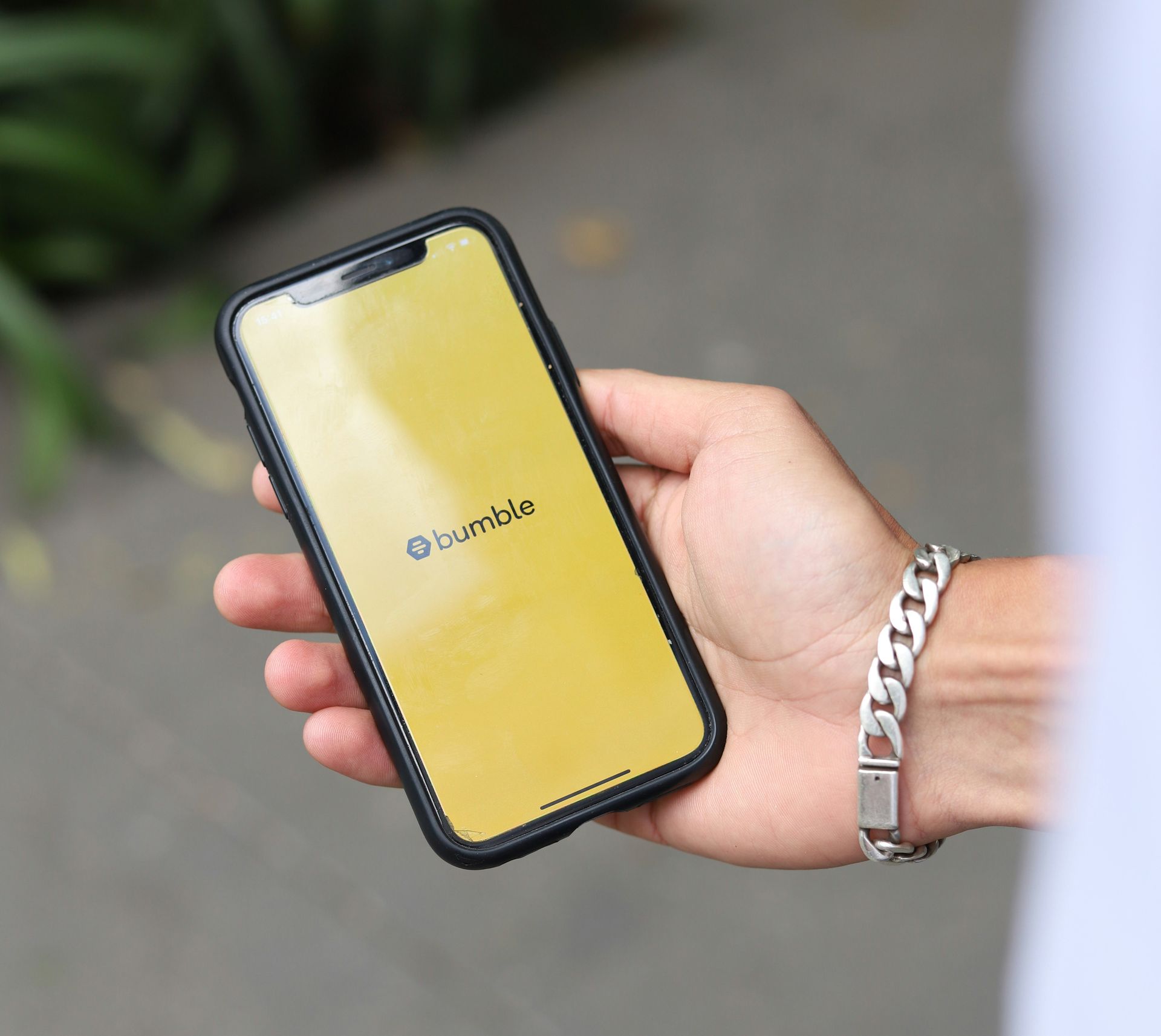
Dating apps like Bumble, Hinge, and Grindr are designed to help people find love and make connections. However, a recent study by KU Leuven, a university in Belgium, revealed a serious flaw in some of these popular apps. This issue could have allowed people with bad intentions to track a user’s location with incredible precision—down to just 2 meters.

What’s the problem?

The researchers looked at 15 popular dating apps and found that several, including Bumble, Hinge, Badoo, Grindr, happn, and Hily, had a big security hole. Although these apps don’t show exact locations on user profiles, they do use precise location data for features like distance filters. This lets users search for matches based on how close they are.
These dating apps tell stalkers your location
(Credit)

The researchers used a technique called “oracle trilateration” to exploit this vulnerability. Basically, they estimated where a target might be and then moved around in different directions to find out exactly where the target was. This method allowed them to pinpoint a user’s location to within 2 meters.

What’s being done about it?

The potential for misuse is serious, but there’s good news. The apps with these issues have taken steps to fix the problem. Bumble, for example, quickly addressed the issue once they were informed in early 2023. Hily also updated its system to close this security gap.

Happn added extra protections that made the trilateration technique ineffective, while Grindr rounds users’ locations to 111 meters. Grindr says this feature is important for connecting users within the LGBTQ+ community and allows users to hide their distance if they prefer.

What can users do?

The fixes from these apps are a positive development for user privacy. By making location data less precise and improving their security measures, these companies are helping to protect users from potential privacy breaches.


Featured image credit: Eray Eliaçık/Bing

Tags: bumblefeatured
ShareTweet
Eray Eliaçık

Eray Eliaçık

Meet Eray, a tech enthusiast passionate about AI, crypto, gaming, and more. Eray is always looking into new developments, exploring unique topics, and keeping up with the latest trends in the industry.

Related Posts

Google patches critical Gemini flaw that turned invites into attack vectors

Google patches critical Gemini flaw that turned invites into attack vectors

21 January 2026
Microsoft issues emergency fix for Windows 11 shutdown bugs

Microsoft issues emergency fix for Windows 11 shutdown bugs

19 January 2026
Ashley St. Clair sues xAI over Grok deepfakes

Ashley St. Clair sues xAI over Grok deepfakes

16 January 2026
YouTube launches Shorts timers to combat teen doomscrolling

YouTube launches Shorts timers to combat teen doomscrolling

15 January 2026

LATEST

Türkiye competition authority raids Temu offices

OnePlus denies shutdown rumors following reports of 20% shipment decline

DeepSeek uncovers MODEL1 identifier ahead of V4 launch

Apple to shrink Dynamic Island on iPhone 18 Pro models

Nvidia shares dip as Inventec warns of H200 chip delays in China

OpenAI launches ads in ChatGPT to offset trillion-dollar infrastructure costs

Samsung revives Bixby with Perplexity AI for Galaxy S26 launch

Google patches critical Gemini flaw that turned invites into attack vectors

OpenAI targets H2 2026 launch for first ChatGPT-powered hardware

FTC appeals ruling in Meta antitrust case to revive divestiture threat

TechBriefly

© 2021 TechBriefly is a Linkmedya brand.

  • Tech
  • Business
  • Science
  • Geek
  • How to
  • About
  • Privacy
  • Terms
  • Contact
  • | Network Sites |
  • Digital Report
  • LeaderGamer

Follow Us

No Result
View All Result
  • Tech
  • Business
  • Crypto
  • Science
  • Geek
  • How to
  • About
    • About TechBriefly
    • Terms and Conditions
    • Privacy Policy
    • Contact Us
    • Languages
      • 中文 (Chinese)
      • Dansk
      • Deutsch
      • Español
      • English
      • Français
      • Nederlands
      • Italiano
      • 日本语 (Japanese)
      • 한국인 (Korean)
      • Norsk
      • Polski
      • Português
      • Pусский (Russian)
      • Suomalainen
      • Svenska