
Nvidia has unveiled its ambitious plans for the future of AI acceleration with the announcement of its next-generation platform, Nvidia Rubin.
Scheduled for release in 2026, Nvidia Rubin is poised to build upon the company’s legacy of innovation, pushing the boundaries of AI capabilities and solidifying Nvidia’s position as a leader in the field.
The unveiling of Nvidia Rubin came during Nvidia’s CEO Jensen Huang’s keynote address at the Computex 2024 trade show in Taiwan. Huang emphasized the company’s commitment to yearly upgrades for its AI accelerators, highlighting the Blackwell Ultra chip slated for 2025 as a precursor to the groundbreaking Rubin platform.
Nvidia Rubin’s place in Nvidia’s legacy
Nvidia Rubin represents a significant milestone in the company’s ongoing quest to empower AI applications across diverse industries. Building upon the successes of its predecessors, Rubin is engineered to address the escalating demands of AI workloads, promising enhanced performance, efficiency, and scalability. This next-generation platform aims to cater to the needs of a wide range of AI practitioners, from researchers and developers to enterprises seeking to harness the power of AI for transformative purposes.
Nvidia’s strategic vision for Rubin is underpinned by its recognition of the growing importance of AI in shaping the future of technology. The company envisions Rubin as a catalyst for innovation, enabling the development of sophisticated AI models, algorithms, and applications that can tackle complex challenges and drive progress across various domains.
The power within
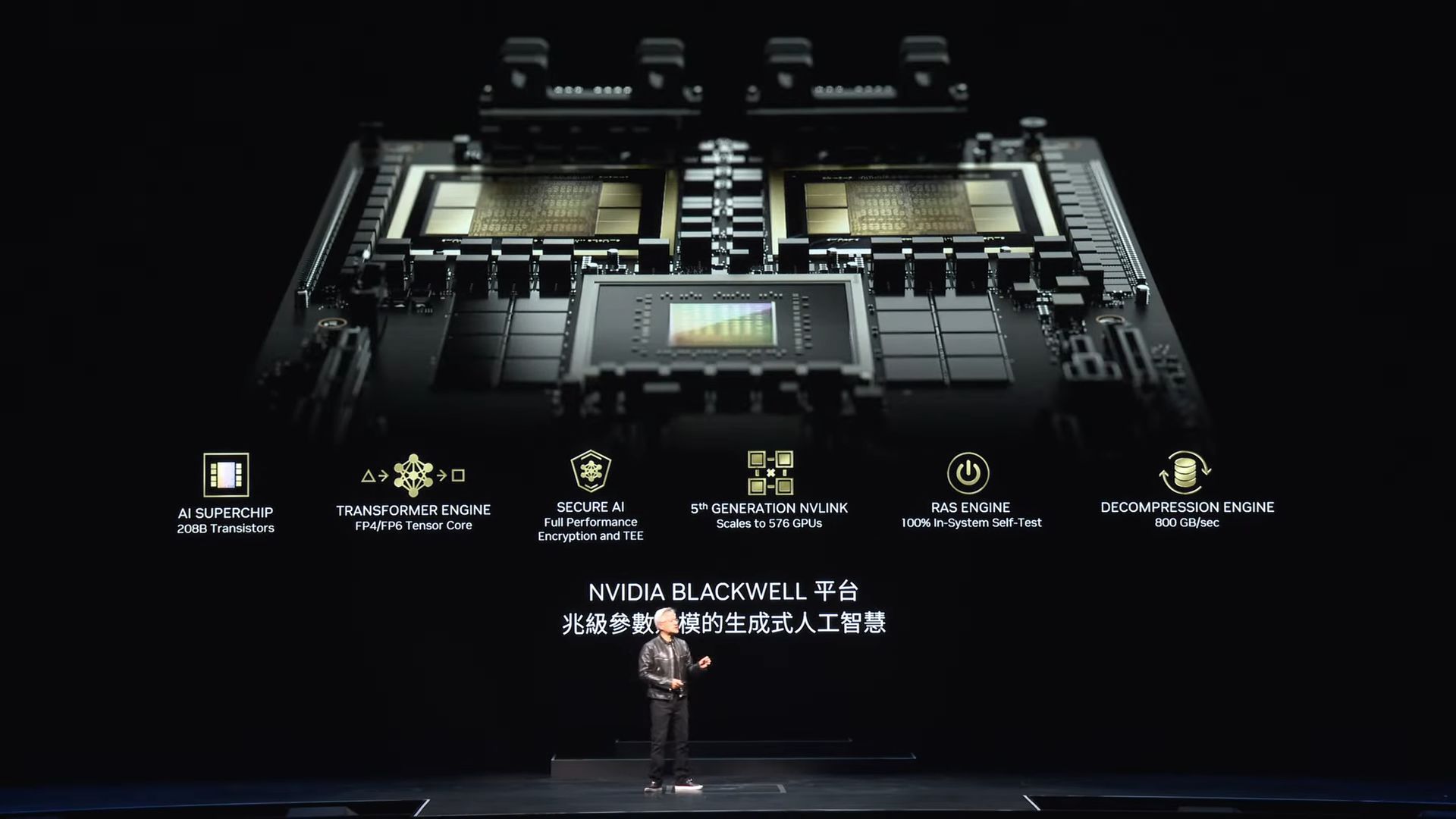
While specific technical details regarding Nvidia Rubin remain under wraps, the company has provided glimpses into the architectural advancements that will underpin its capabilities. Rubin is expected to leverage cutting-edge hardware innovations, including the integration of high-bandwidth memory (HBM4) and optimized processing units, to deliver exceptional computational power and data throughput.
High-bandwidth memory, a critical component in AI accelerators, plays a pivotal role in ensuring the efficient flow of data between the processor and memory. With the adoption of HBM4, Rubin is poised to overcome existing memory bottlenecks, enabling faster data access and facilitating the training and inference of increasingly complex AI models.
Rubin’s potential impact is undeniable
The potential applications of Nvidia Rubin span a wide array of industries, each poised to benefit from the platform’s enhanced AI capabilities. In the realm of healthcare, Rubin could accelerate the development of AI-powered diagnostic tools, drug discovery platforms, and personalized treatment plans. In the financial sector, Rubin could enable sophisticated fraud detection algorithms, risk assessment models, and algorithmic trading strategies.
Moreover, Rubin’s impact is likely to extend to fields such as autonomous vehicles, robotics, manufacturing, and scientific research. By providing a robust foundation for AI innovation, Rubin could empower researchers and engineers to tackle complex challenges, from climate modeling and materials science to natural language processing and computer vision.
As the anticipated release of Nvidia Rubin in 2026 draws closer, the AI community eagerly awaits further details regarding the platform’s technical specifications, performance benchmarks, and real-world applications. Nvidia’s track record of innovation and its commitment to pushing the boundaries of AI technology suggest that Rubin has the potential to redefine the landscape of AI acceleration, ushering in a new era of possibilities for AI-powered solutions.
By combining cutting-edge hardware innovations with a strategic vision for empowering AI across industries, Rubin promises to be a game-changer in the field. As the countdown to its release continues, the AI community eagerly anticipates the unveiling of this next-generation platform, poised to unlock new frontiers in AI research, development, and deployment.
Featured image credit: Nvidia/YouTube