


Microsoft’s emissions have increased by almost a third since 2020. This increase shows that investments in expanding AI infrastructure are threatening climate goals.
While the rapid development of industrial revolutions has brought great convenience to humanity, it has also caused irreversible damage. The hole in the ozone layer, increasing greenhouse gas emissions, and climate change are among the most obvious examples of these damages.
Now, with the rise of artificial intelligence technology, we are entering a new era. But at the price of this development, we risk jeopardizing the future of our planet. The massive energy spent on AI infrastructure can lead to the depletion of natural resources and environmental disasters. Therefore, striving for a sustainable future without ignoring the environmental impact of technological advances is more important than ever.
AI clouds Microsoft’s climate ambitions
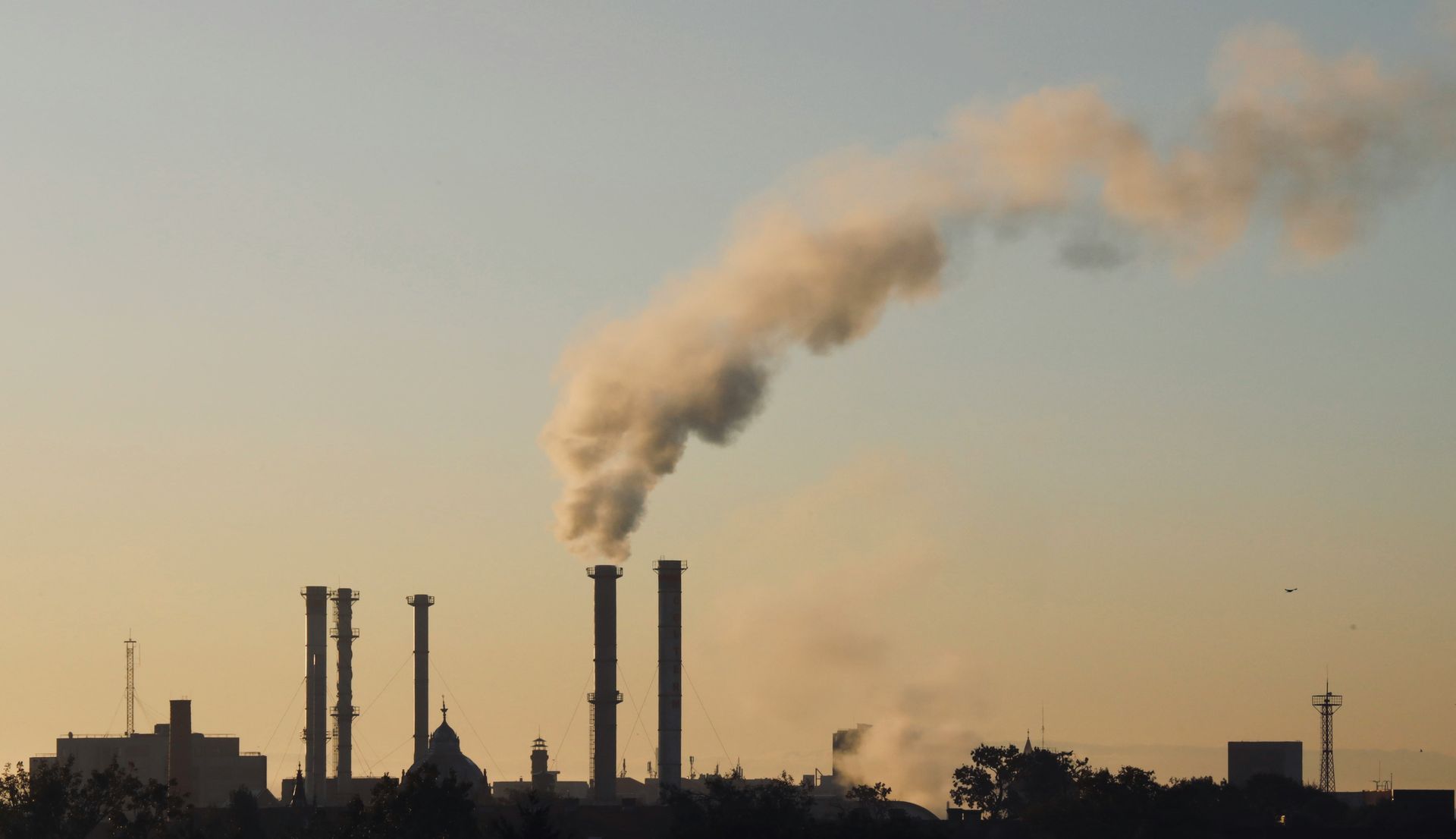
Much of the emissions increase of up to 30% by 2023 is due to the construction of data centers running artificial intelligence and cloud computing systems. Microsoft confirms this in its annual sustainability report.
“Our challenges stem in part from our position as a leading cloud provider expanding data centers,” the company says. Microsoft, along with rivals such as Amazon and Google, is racing to invest in infrastructure to support productive AI.
Microsoft has invested billions of dollars in OpenAI, the company behind ChatGPT, and is developing its own AI tools through it. Microsoft’s direct and energy-related emissions decreased by 6.3% in 2023 compared to 2020. But supply chain emissions, which account for the vast majority of its total emissions, increased by 30.9%. This resulted in a 29.1% increase in total emissions.
Climate goals and the AI race are at odds
Microsoft has set a series of climate goals, including targets to become “carbon negative” and achieve “zero waste” by 2030. However, these goals are being jeopardized by the race to develop productive AI with high energy and water demand for cooling. The race to expand data center infrastructure also raises questions about the capacity of national power grids to cope with the expected increase in electricity demand from AI, and whether there is enough renewable energy generation in these markets to support the technology.
To address rising supply chain emissions, Microsoft announced that it will require certain “high-volume” suppliers to use 100% “carbon-free” electricity in transactions with the company by 2030. Microsoft also announced this month that it will back an estimated $10 billion of renewable electricity projects to be developed by Brookfield Asset Management to combine its clean energy goals with its AI ambitions.

The emissions from building new data centers come in part from carbon-intensive production of critical construction materials such as cement and steel, computer chips and other hardware.
Microsoft’s success in meeting its 2030 goals will depend on how seriously the company takes its commitments and how it deals with unexpected obstacles. Failure to meet these targets, however, could damage the company’s reputation and undermine investor confidence. It is also possible that Microsoft could face legal sanctions if it fails to comply with international agreements on carbon emissions. There are independent organizations that regularly audit the company’s emissions, and their reports play an important role in assessing Microsoft’s progress towards meeting its targets.
Featured image credit: Furkan Demirkaya


