
TechBriefly
  • Tech
  • Business
  • Crypto
  • Science
  • Geek
  • How to
  • About
    • About TechBriefly
    • Terms and Conditions
    • Privacy Policy
    • Contact Us
    • Languages
      • 中文 (Chinese)
      • Dansk
      • Deutsch
      • Español
      • English
      • Français
      • Nederlands
      • Italiano
      • 日本语 (Japanese)
      • 한국인 (Korean)
      • Norsk
      • Polski
      • Português
      • Pусский (Russian)
      • Suomalainen
      • Svenska
No Result
View All Result
TechBriefly
Home Science Physics
LK-99 failed: In fact, it wasn’t even a superconductor at all

LK-99 failed: In fact, it wasn’t even a superconductor at all

Eray EliaçıkbyEray Eliaçık
11 August 2023
in Physics, Science
Reading Time: 2 mins read
Share on FacebookShare on Twitter

A new material called LK-99 caused a rush to find out if it really was a revolutionary superconductor, and the results are not very good. Researchers have found that LK-99 is not what we thought it was.

Since two weeks ago, superconductor labs all over the world have been working hard to make LK-99, a new material that South Korean experts said was a superconductor at room temperature and normal pressure.

LK99 supposedly did this electron magic trick at temperatures and pressures that occur naturally all over the world. Most materials, especially metals, can only achieve superconductivity (zero electrical resistance) at temperatures near absolute zero.

This bold claim caused a big stir on the Internet and in physics labs all over the world. The New York Times called LK-99 “the superconductor of the summer,” and people all over the world quickly became interested in whether or not other experts agreed.

First claimed successful replication of LK-99

Accomplished by a team at the Huazhong University of Science and Technology and posted 30 minutes ago.

Why this is evidence:
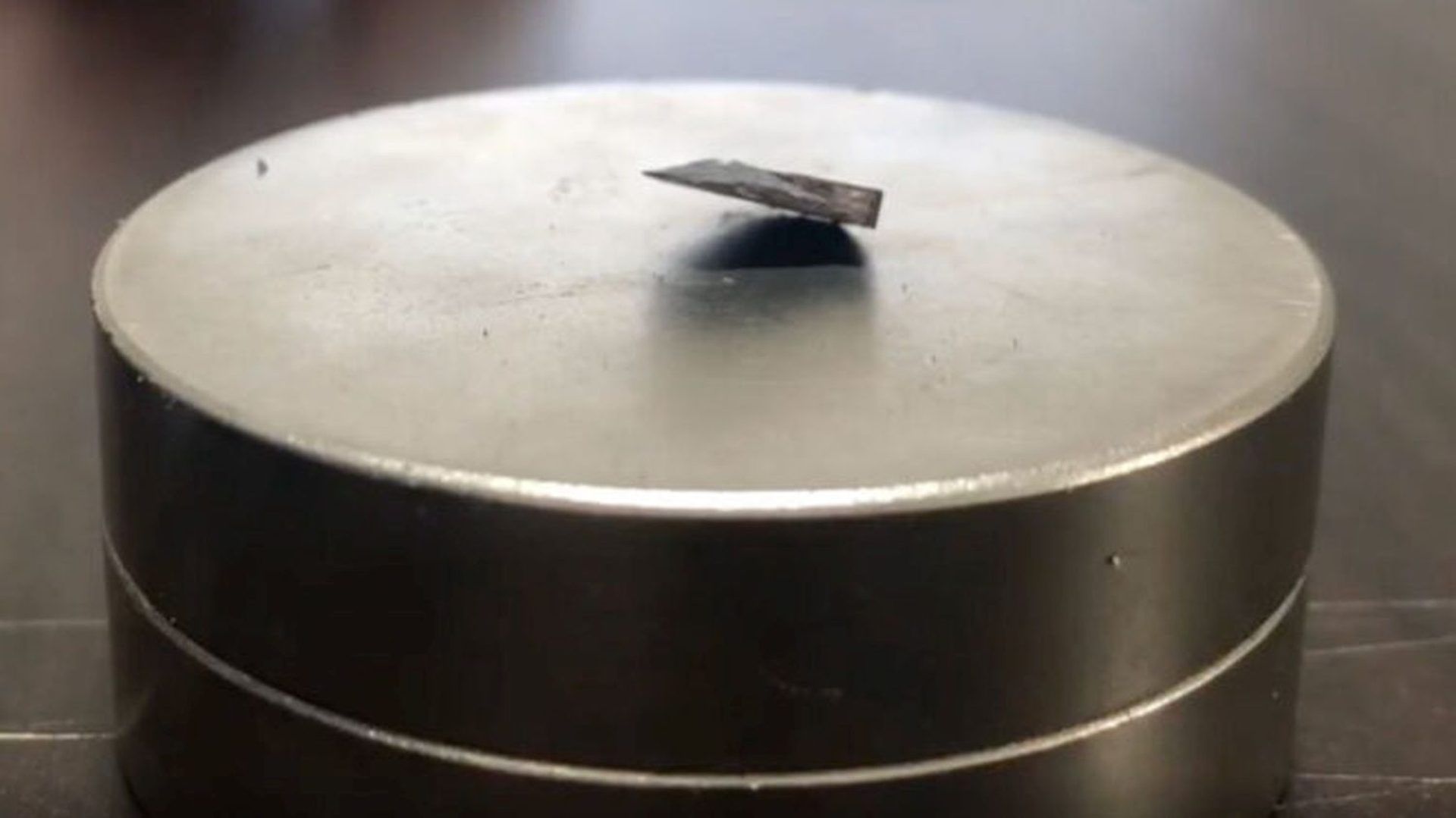
The LK-99 flake slightly levitates for both orientations of the magnetic field, meaning it is not simply a… pic.twitter.com/bh0x9oqaz2

— Andrew Côté (@Andercot) August 1, 2023

But scientists who study condensed matter kept cool and questioned the little-known Quantum Energy Research Centre, which made the LK-99 sample, and some of the strangest data in the original paper.

LK-99 is not a superconductor, says CMTC

Independent laboratories produced conflicting results in the days that followed, but mounting evidence is beginning to cast doubt on LK-99’s status as a supposed room-temperature superconductor. Those who believed in LK-99 have had their aspirations dashed.

The Condensed Matter Theory Center (CMTC) at the University of Maryland pointed out in a series of tweets on Monday that the Chinese laboratory known as the International Center for Quantum Materials (ICQM) indicates that LK-99 suffers what is known as “ferromagnetism,” not superconduction.
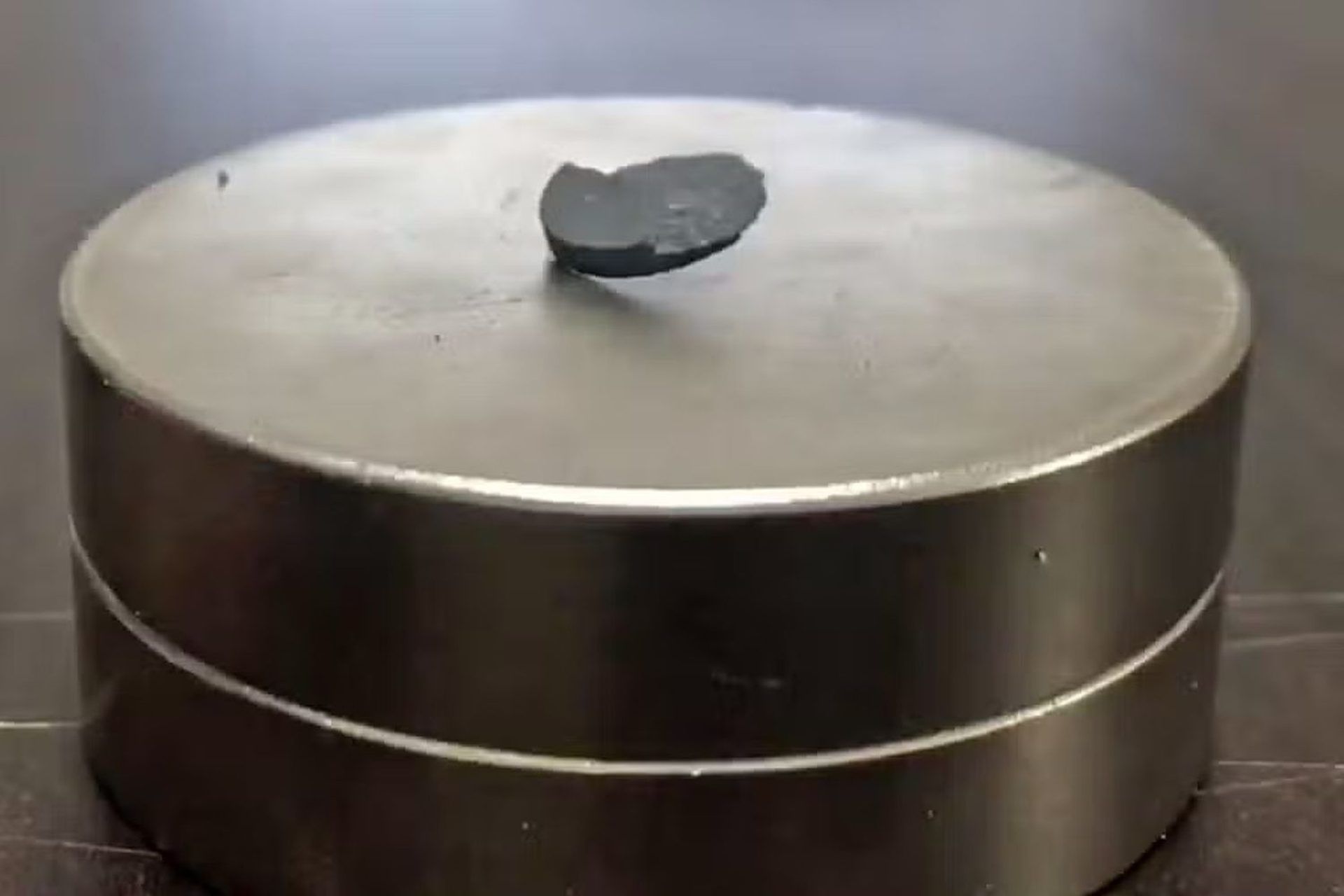
LK-99 failed: In fact, it wasn't even a superconductor at all
LK-99 debunked after several tests and research (Image credit)

Further, CMCT claims that “LK99 seems to be an Anti-SC” since LK-99 has a resistance that is approximately a billion times larger than copper at room temperature. In and of itself, magnetic phenomena like diamagnetism and ferromagnetism are not uncommon. As CMCT shows, these magnetic properties don’t have any interesting practical uses.

A new superconducting miracle material would be on par with the discovery of electromagnetic induction or the construction of the first transistor. Still, this fresh flood of evidence dashes those hopes.

Anyway, if you want to take a look at what if we have room-temperature superconductors, visit the related article.

Featured image credit: Sciencecast
Tags: featuredLK-99superconductor
ShareTweet
Eray Eliaçık

Eray Eliaçık

Meet Eray, a tech enthusiast passionate about AI, crypto, gaming, and more. Eray is always looking into new developments, exploring unique topics, and keeping up with the latest trends in the industry.

Related Posts

NASA’s James Webb Space Telescope discovers PSR J2322-2650b

NASA’s James Webb Space Telescope discovers PSR J2322-2650b

19 December 2025
NASA confirms 3I/ATLAS is an interstellar visitor behaving unlike anything in our system

NASA confirms 3I/ATLAS is an interstellar visitor behaving unlike anything in our system

30 October 2025
SpaceX launches 84 Starlink satellites in five days

SpaceX launches 84 Starlink satellites in five days

27 October 2025
AI reasoning models’ carbon footprint varies greatly

AI reasoning models’ carbon footprint varies greatly

2 July 2025

LATEST

New Punkt MC03 features split OS for better privacy control

Samsung reveals brighter Freestyle+ projector ahead of CES 2026

OpenAI explores prioritized ads for ChatGPT responses

Apple teases something big for Fitness+ in 2026

Samsung SDI rumored to test massive 20000mAh battery

Honor sells over 71 million smartphones in 2025

New WhatsApp update brings 2026 stickers and video call effects

Leaker reveals Xiaomi plans for high end eSIM device in 2026

HP prepares OMEN OLED monitor reveal for CES 2026

High RAM costs from AI boom could delay next Xbox and PlayStation

TechBriefly

© 2021 TechBriefly is a Linkmedya brand.

  • Tech
  • Business
  • Science
  • Geek
  • How to
  • About
  • Privacy
  • Terms
  • Contact
  • | Network Sites |
  • Digital Report
  • LeaderGamer

Follow Us

No Result
View All Result
  • Tech
  • Business
  • Crypto
  • Science
  • Geek
  • How to
  • About
    • About TechBriefly
    • Terms and Conditions
    • Privacy Policy
    • Contact Us
    • Languages
      • 中文 (Chinese)
      • Dansk
      • Deutsch
      • Español
      • English
      • Français
      • Nederlands
      • Italiano
      • 日本语 (Japanese)
      • 한국인 (Korean)
      • Norsk
      • Polski
      • Português
      • Pусский (Russian)
      • Suomalainen
      • Svenska