
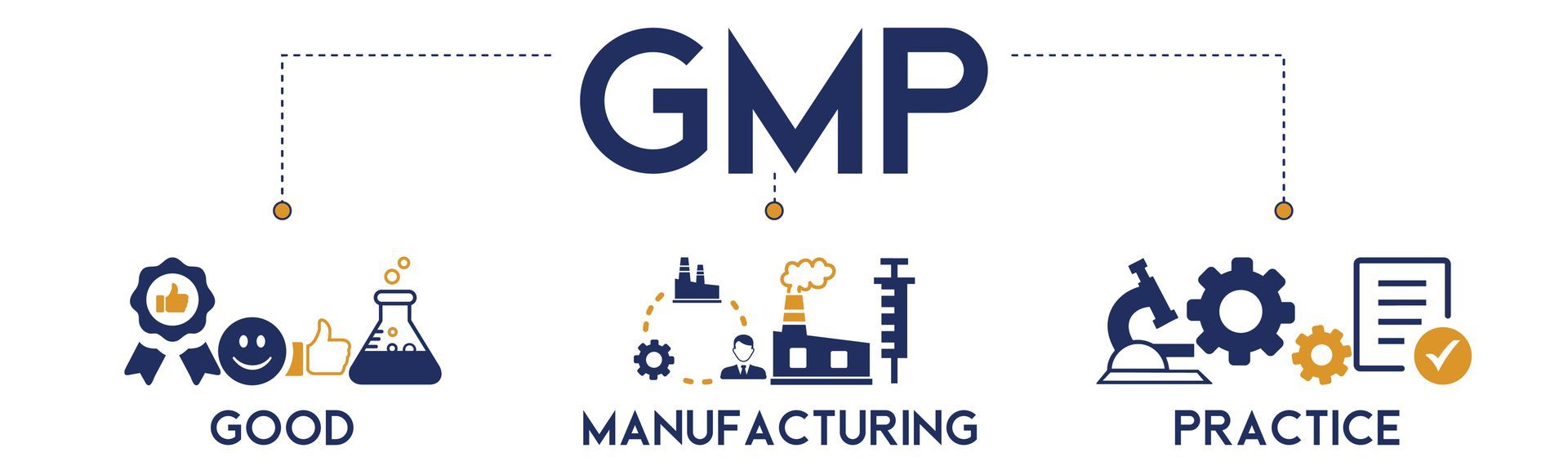
The manufacturing world is intricate, and the need for quality control is paramount. Every business involved in the production of goods, particularly those in the healthcare and food sectors, must adhere to certain standards. One such essential standard is Good Manufacturing Practice (GMP). It ensures that products are controlled and produced consistently according to quality standards.
When it comes to manufacturing in a regulated environment, there’s no margin for error. Your business should operate from a certified cGMP manufacturing facility to promote consistency, reliability, and adherence to safety regulations. This ensures that all products meet the criteria for quality and safety.
Understanding Good Manufacturing Practice (GMP)
GMP encompasses a set of guidelines dictating how products should be produced to ensure they’re safe, effective, and of high quality. Compliance isn’t a suggestion—it’s a requirement.
Products manufactured under GMP guidelines provide assurance to the end user. They guarantee that the item was produced under conditions that meet or exceed the minimum quality standards. GMP applies to a wide range of sectors, including food, beverages, cosmetics, pharmaceuticals, dietary supplements, and medical devices.
Why businesses must comply with GMP
The importance of compliance with GMP cannot be overstated. The well-being of consumers hinges on the quality of the products they use. Your business has a responsibility to ensure that what you produce is safe and effective.
Moreover, GMP compliance protects your business as well. It shields you from costly recalls, negative publicity, and potential legal consequences. Compliance means you’re not just creating products but also building a reputation for trust and quality.
Building your GMP compliance strategy
Implementing GMP guidelines isn’t a one-size-fits-all approach. It’s a complex process that requires thorough understanding and careful planning. Your first step is to understand the specific GMP requirements for your industry.
Next, you’ll need to develop procedures and systems that adhere to these guidelines. This involves everything from employee training to equipment maintenance, cleanliness, and documentation. It’s not just about what you make but how you make it.
Regular auditing and continuous improvement
Compliance with GMP isn’t a one-time achievement. It’s an ongoing process that requires regular auditing and improvement. Regular audits help identify any potential issues before they become major problems.
Implementing a culture of continuous improvement encourages employees to strive for excellence, regularly assess their performance, and look for ways to improve. It’s about fostering a mindset that’s always looking for ways to raise the bar on quality.
Elements of manufacturing under GMP
Under GMP, manufacturing involves more than just production. It includes testing and quality control to ensure each product meets established standards. Each manufacturing process should be clearly defined and controlled to prevent cross-contamination and ensure product integrity.
GMP guidelines also mandate rigorous testing of products, right from the raw materials to the finished goods. It’s a comprehensive approach that leaves no room for error.
Role of personnel in GMP compliance
In GMP compliance, the role of personnel is vital. Employees must be adequately trained and qualified to perform their duties effectively. They should be aware of the critical aspects of GMP and understand their responsibilities towards ensuring product safety and quality.
Cultivating a quality-driven culture
GMP is not merely a set of guidelines, but a culture to be embodied by every member of your organization. The best way to ensure compliance and maintain high-quality production is to cultivate a quality-driven culture.
Your employees should understand that maintaining quality is not merely a task but the essence of their jobs. Regular training sessions should be held to instill this culture, and continuous efforts should be made to encourage and reward quality-focused behavior.
Document control
Documentation is an essential aspect of GMP. Every process, from raw material receipt to final product testing, should be meticulously documented. Detailed records not only ease tracking and recalling products if necessary, but they also serve as proof of compliance during audits.
Moreover, proper document control reduces the risk of mistakes in production and quality control, ensuring a smooth, error-free process. It’s a significant factor in establishing consistency, which is crucial in a GMP environment.
Leveraging technology
Technology can significantly aid in GMP compliance. Modern solutions such as quality management systems (QMS) and electronic batch records can streamline documentation and quality control. Automated systems can also reduce human error and enhance overall operational efficiency.
However, it’s essential to ensure that any technology used complies with the relevant regulatory requirements. It’s also important to keep all systems updated and to train employees in their proper use. Technology should be seen as a tool to facilitate, not replace, GMP compliance efforts.
Conclusion
Embracing GMP is not only a legal requirement for many businesses but also a demonstration of a commitment to quality and safety. GMP brings a host of benefits, from product reliability to consumer trust. With a cGMP-certified facility and a trained workforce dedicated to continual improvement, you lay a solid foundation for your business to thrive.